Amazon pulls the plug on Fire: what the Alexa Tablet pivot tells us about the company's hardware endgame
On 8 October 2026, Amazon confirmed it would phase out the Fire tablet brand. The replacement line, Alexa Tablets, runs proper Android with full access to Google Play, a quiet concession that the walled garden Amazon spent years building is no longer worth defending.
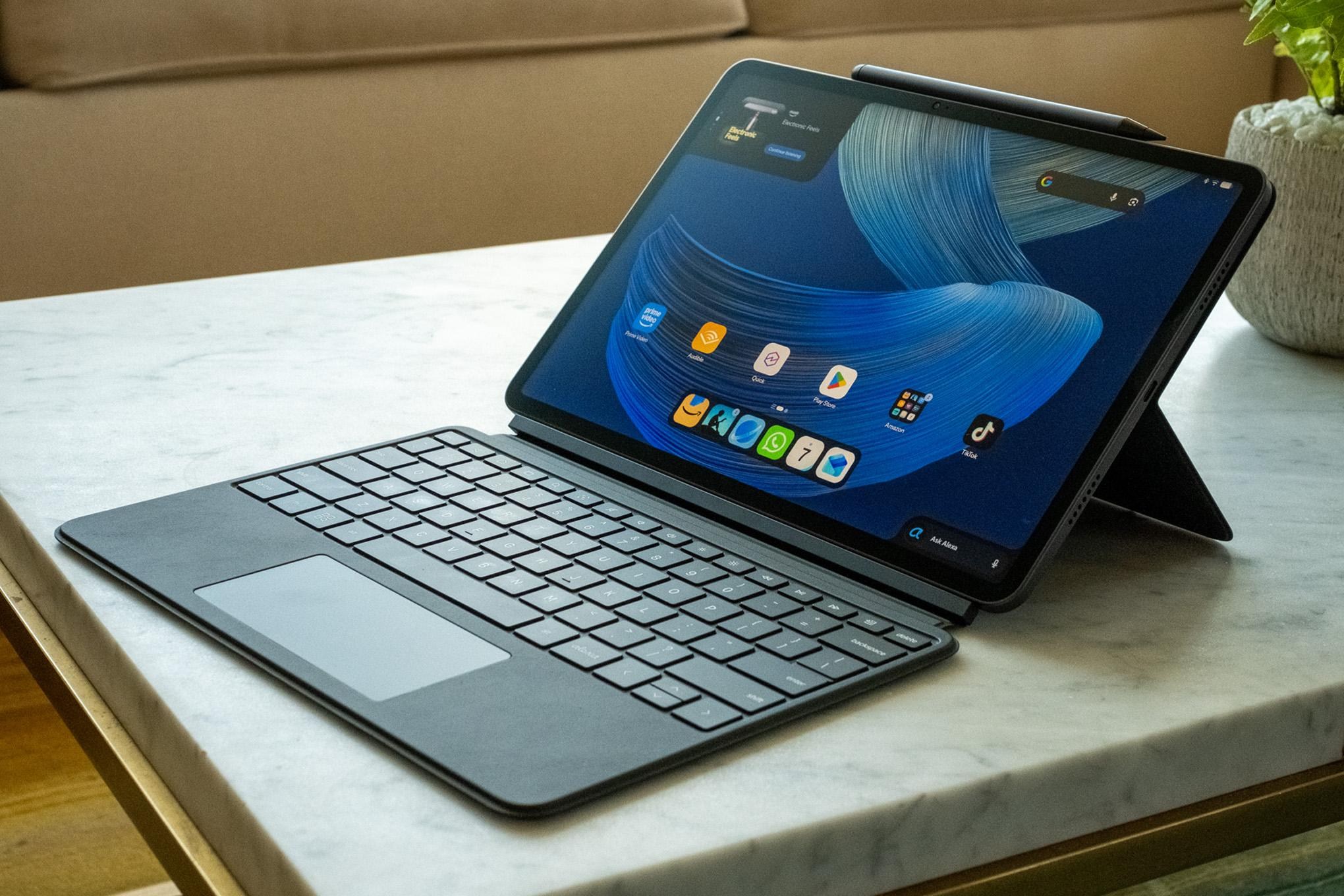
On 8 October 2026, Amazon's head of consumer electronics, Panos Panay, confirmed to Bloomberg that the Fire tablet brand is being phased out in favour of a new line called Alexa Tablets. The replacement devices run proper Android with full access to the Google Play store, a shift that, on its face, dissolves the boundary that defined the Fire programme for years. Panay's framing for the change, in his own words, was that the old line was not "giving customers what they were asking for."
The pivot reads as more than a rebrand. It is a quiet admission that the hardware-as-services-front-door approach that anchored Amazon's consumer-hardware push for the best part of a decade, in which a tablet pulled households into a closed loop of Amazon content, Amazon ads, and Amazon shopping, is no longer worth defending. Alexa Tablets inherit Amazon's voice assistant and the same tilt toward Prime, but the operating-system spine now belongs to Google. Amazon is, in effect, renting the channel from the competitor its hardware stack was originally built to circumvent.
The brand dies; the Appstore falls with it
The Verge's reporting on the 8 October announcement makes the basic shape of the change plain: the new devices ship with Google Play, not Amazon's Appstore. Ars Technica's same-day coverage states the same in its subhead, noting that "Amazon killed its app store, so Google Play it is." The operating-system and app-store questions that defined the Fire programme have, in a single product cycle, been settled in Google's favour.
The Kids Tablets covered separately by The Verge the same day now let parents manage access to the Google Play store. According to The Verge, parents on the new Kids Tablets can "limit what software and content [their children] have access to," a phrasing that places parental control on top of Google's full app catalogue rather than inside a narrower, curated one. Panay's framing, "what customers were asking for," conveniently relocates the explanation for the strategic retreat onto consumer demand. The more pointed reading, offered here as analysis, is that the Appstore-first economics had stopped paying out the way Amazon's spreadsheet required, and the cheapest way to keep selling slates was to stop fighting Android and start shipping it.
Premium hardware, mid-tier ambition
The flagship of the new line is the Alexa Tablet 12 Pro, priced at $499 and built around a matte display that The Verge's hands-on coverage describes as a notable new direction for Amazon's tablet line. The Verge's framing is that the Fire range was long defined by being inexpensive, useful for kids, and not a premium Android tablet experience; the 12 Pro is positioned as Amazon's attempt to climb that ladder.
Monexus analysis: the rebrand's deeper signal is that Amazon is conceding the low end to whoever still wants it (the residual Fire inventory, the long tail of inexpensive Android slates) while concentrating on the $400-plus tier, where margins live. The hardware is no longer the loss-leader. It is, increasingly, the place where the Alexa-on-top-of-Android pitch has to earn its keep on its own merits, with the Appstore lock-in stripped away.
What Google won (and what Google has to do)
The other party in this story is Google, which has just been handed a renewed foothold inside the home. For years, Amazon was the loudest commercial argument against letting Android's ecosystem touch the living-room screen at the low end of the market. That argument has evaporated in a single product cycle. Google Play inside every Alexa Tablet means Google's store, Google's billing system, and Google's data-flows are now the default on a device Amazon owns and prices.
Counter-read: this is not a Google victory so much as a Google truce. Amazon retains the surface, the Alexa voice layer, the ring of first-party apps, the Prime content tie-ins, and gets to skip the costly, mostly losing job of maintaining a competing app store. The probable equilibrium is a Google-billed, Amazon-skinned Android that resembles every other mid-tier Android tablet, except in the slot reserved for Alexa. The interesting question is what Amazon trades away in checkout and shopping data once Google has billing rights on every non-Amazon in-app purchase. The cited source items do not specify the commercial terms between Amazon and Google for the new arrangement.
The assistant is the device
The deeper lesson, offered as Monexus assessment, is that Amazon's consumer-hardware business has been slowly reordered around the assistant and the subscription, not the slate. Killing Fire frees the company from maintaining a forked app-distribution path for the small slice of customers who wanted a tablet for the price. The new line can be a vehicle for Alexa content, shopping, video, Kindle, and Audible, without the obligation to carry the full weight of an alternative app platform.
Stakes, in plain terms: if the Alexa Tablet line gains traction, Amazon keeps a hardware foothold in the home at a fraction of the cost and recovers the option of competing on services rather than on Appstore lock-in. If it does not, the tablet category becomes a residual business, profitable, defended by Alexa and Prime, but not a strategic frontier. The most plausible short-term outcome is that the 12 Pro becomes Amazon's iPad-competitor-of-record and the rest of the line settles into the same shelf a Fire HD used to occupy: present, useful, unmemorable.
What the sources leave open
The Verge and Ars Technica reporting is consistent on the basic facts of the launch: brand, operating system, store, the $499 price point on the 12 Pro, and Panay's quoted rationale from the Bloomberg interview. The available source items do not specify unit-sales forecasts, manufacturing partners, the long-term status of the Appstore for non-Amazon devices, or the revenue mix of the lock-screen-advertising business that has historically been associated with Fire pricing. Amazon's own framing, relayed through Bloomberg, casts the change as a customer-driven pivot; the cited material does not disclose the underlying economics, so outside readers cannot test Panay's account against the alternative reading that the Appstore-first economics had stopped working. Watch the next quarterly call for sell-through on the 12 Pro and any commentary on Appstore's residual role. That is where the real story will land.
Desk note: Monexus read the launch through The Verge and Ars Technica, with Panay's on-the-record framing relayed via Bloomberg. The strategic reading above is the desk's, not the wires'.
Wire provenance
This editorial synthesis draws on the following public wire/social posts:
- https://www.theverge.com/tech/1008059/amazon-phasing-out-fire-tablet-panos-panay
- https://arstechnica.com/gadgets/2026/10/amazons-new-alexa-tablets-drop-the-fire-branding-but-are-more-android-than-ever/
- https://www.theverge.com/tech/1007768/amazon-kids-tablet-android-kid-proof-case-google-play
- https://www.theverge.com/tech/1007473/amazon-alexa-tablet-12-pro-nanomatte-hands-on
- https://t.me/theverge_news/9400
- https://t.me/theverge_news/9388
- https://t.me/theverge_news/9386
- https://www.theverge.com/tech/1008059/amazon-phasing-out-fire-tablet-panos-panay
- https://arstechnica.com/gadgets/2026/10/amazons-new-alexa-tablets-drop-the-fire-branding-but-are-more-android-than-ever/
- https://www.theverge.com/tech/1007768/amazon-kids-tablet-android-kid-proof-case-google-play
- https://www.theverge.com/tech/1007473/amazon-alexa-tablet-12-pro-nanomatte-hands-on
- https://t.me/theverge_news/9400
- https://t.me/theverge_news/9388
- https://t.me/theverge_news/9386