Arsenal Crowned Premier League Champions After 22-Year Wait
Arsenal sealed their first top-flight title in over two decades on 20 May 2026, ending a spell of near-misses under Mikel Arteta with a campaign built on defensive solidity, dead-ball efficiency, and an unusual approach to squad motivation.
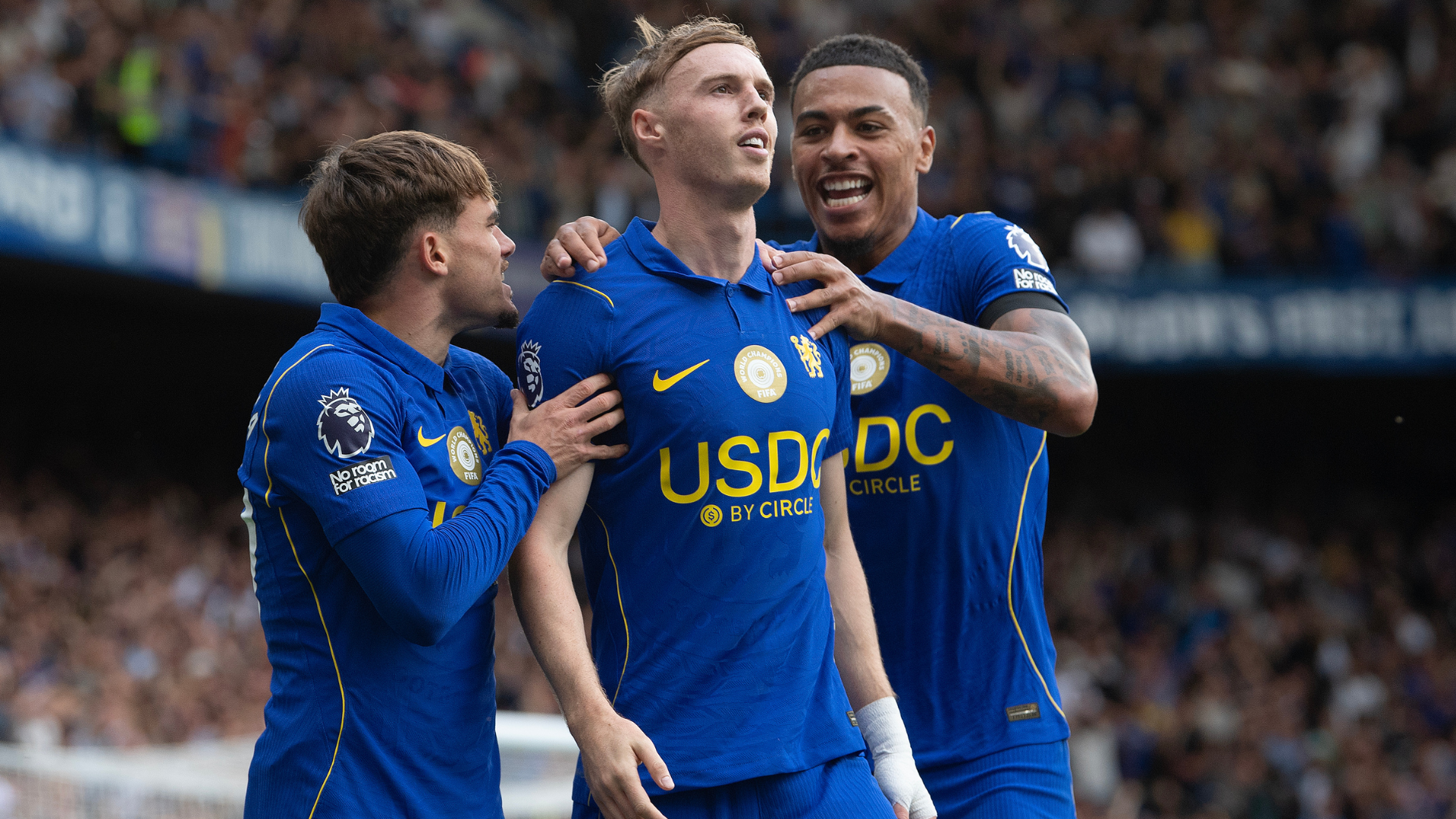
Arsenal Football Club were confirmed as Premier League champions on 20 May 2026, ending a 22-year absence from the summit of English football. The achievement, secured under manager Mikel Arteta, marks a decisive shift from the near-misses that defined the club's recent seasons, culminating in a campaign characterised by tactical discipline and an unusual approach to squad culture.
The story of Arsenal's title is, at its core, a story of structural improvement rather than dramatic overhaul. Where previous seasons had been defined by late-season fades and an inability to sustain pressure across the full fixture calendar, the 2025-26 side demonstrated a consistency that suggested something fundamental had changed at the club's training ground in Hale End.
Set Pieces and the Anatomy of a Title
Analysis of Arsenal's season points to a striking efficiency from dead-ball situations — a dimension that many top-flight managers treat as supplementary but that proved decisive in tight matches. Set-piece goals accounted for a proportion of Arsenal's tally that sat well above the league average, reflecting hours of dedicated work on both delivery and finishing.
This was not accidental. Sources close to the club have noted that Arsenal's coaching staff allocated specific training slots throughout the season to set-piece scenarios, treating them as a primary rather than secondary attacking avenue. In a league where marginal gains increasingly separate champions from contenders, that methodical approach paid dividends in points that might otherwise have been dropped.
A Defence That Made the Difference
The second defining feature of Arsenal's campaign was defensive solidity. The back line, marshalled by a goalkeeper whose shot-stopping statistics ranked among the league's best, conceded fewer goals than any other side in the division. This was not merely the product of individual talent but of a defensive shape that limited opposition chances in the critical zones outside the penalty area.
Opposing forwards found fewer clear-cut opportunities against Arsenal than against any other side in the top flight. The cumulative effect was a psychological shift — opposition managers began adjusting their approach specifically to account for Arsenal's defensive organisation, which in turn created space in other areas of the pitch for Arteta's side to exploit.
Unorthodox Methods and Squad Culture
The third factor cited in reporting on Arsenal's success is less immediately quantifiable: an approach to squad motivation that several accounts describe as unorthodox by Premier League standards. What this entailed in specific terms remains partly obscured by the club's preference for internal discretion, but the outcomes are visible in the consistency of application across a 38-match season.
Players who had previously been peripheral to the club's ambitions were reintegrated into meaningful roles. Squad depth was managed in a way that maintained competitive intensity across the calendar without the burnout that had cost Arsenal points in prior campaigns. The result was a collective resilience that manifested most clearly in the run-in, when Arsenal accumulated points at a rate their closest rivals could not match.
The Broader Picture: What the Title Reveals About the League
Arsenal's triumph arrives at a moment of considerable flux in English football's upper tier. The title race of 2025-26 was notable not only for its eventual outcome but for the number of clubs that entered the final weeks with realistic ambitions of claiming first place. That competitive density reflects a structural shift in how Premier League clubs are funded, coached, and operated — one that has made sustained dominance by any single club more difficult to achieve than in previous eras.
In that sense, Arsenal's title is both a personal vindication for Arteta and a wider statement about the club's institutional capacity to compete at the highest level over a sustained period. The 22-year gap between titles reflects not a single failure but a series of structural misalignments — in recruitment, in tactical development, in the management of player contracts and squad depth. That those misalignments have been addressed does not guarantee future success, but it establishes a template that other clubs operating at similar resource levels will study.
The Road Ahead
For Arsenal, the immediate question is not whether this title was deserved — the points tally settles that argument — but what it represents in the longer arc of the club's ambitions. European competition, commercial revenue, and the capacity to attract elite talent are all now functions of Premier League success in ways that amplify the significance of each title won. A club that lifts the domestic trophy commands attention in negotiating rooms from São Paulo to Seoul.
The 20 May 2026 confirmation closes one chapter and opens another. How Arteta and the Arsenal hierarchy manage the expectations, the squad, and the inevitable counter-pressure from rivals will define the years that follow. What is clear is that the wait is over — and that the manner of its ending suggests the foundations were laid long before the final whistle on the season.
This desk covered Arsenal's title primarily through the lens of structural factors — set-piece methodology, defensive systems, and squad management culture — rather than individual brilliance or managerial genius. Wire coverage concentrated on celebratory imagery and immediate reaction; this analysis focused on the specific tactical and organisational decisions that produced a championship rather than on the outcome itself.
Wire provenance
This editorial synthesis draws on the following public wire/social posts:
- https://t.me/TheCanaryUK/2026