The Limits of Limited War: What Iran's Resilience Tells Us About the Strikes' Failure
U.S. intelligence suggesting Iran's defense industrial base was only set back by months, not years, exposes the gap between the stated objectives of the strikes and their actual impact on the ground.
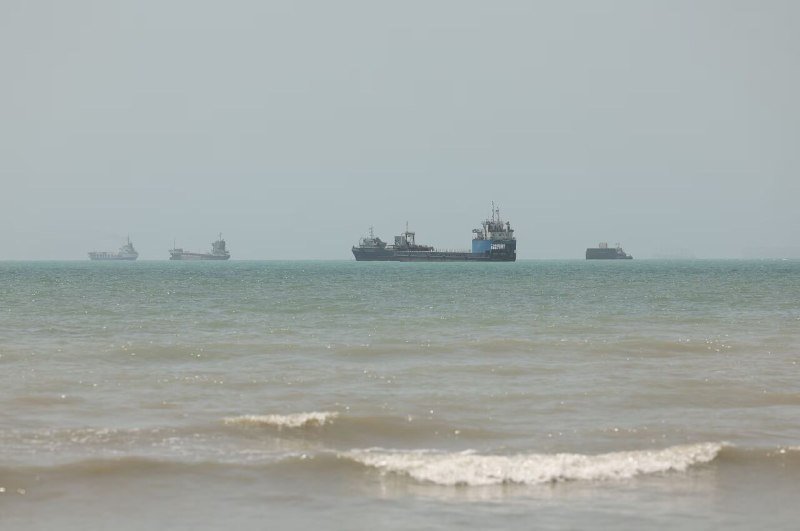
The strikes on Iran are being called a success. The evidence says otherwise.
U.S. intelligence, cited by CNN on 21 May 2026, indicates that Iran's defense industrial base was set back only by months, not years. That is not the language of a decisive military operation. It is the language of a pause button—temporary disruption that buys time, nothing more. Meanwhile, Israeli hospitals have received orders to prepare for expanded operations, a signal that whoever drafted the operational plans anticipated a conflict potentially larger than what unfolded.
The gap between stated objectives and measurable outcomes is the central fact of this episode.
What the Damage Assessments Actually Show
Initial Western reporting framed the strikes as targeted and effective. The intelligence community's own assessment, however, tells a different story. Months, not years. A defense industrial base capable of recovery before the calendar flips to 2027. That is a strategic nullity dressed up as a policy achievement.
Iranian state media, cited by regional monitoring outlets, has projected confidence—not the tone of a regime that believes itself defeated. This matters. The psychological and political dimension of military strikes is inseparable from their strategic value. A target that absorbs punishment and publicly declares itself intact has not been neutralized; it has been given a propaganda asset.
The limited scope of the strikes—designed, apparently, to avoid triggering a broader regional war—may have been the correct political choice. It was not a decisive military choice.
The Problem With Proportionality as Doctrine
The framework guiding these strikes appears to have been proportionality: enough to demonstrate resolve, not enough to invite escalation. That framework produced a specific result—damage calibrated to avoid the worst outcomes while satisfying the domestic political requirement to "do something."
This is not a new pattern in military interventions. The discipline of limited force operates under a logical constraint: if the adversary can absorb the limited use of force and recover within months, the incentive to absorb it grows. Iran has now tested the proposition. The result was manageable. Future calculations will reflect that data.
The structural problem is not that limited strikes were wrong in principle. The problem is that they were presented as sufficient when the intelligence suggests they were not.
Reading the Wire Coverage
The dominant Western framing has been careful. Phrases like "limited strikes" and "targeted operations" perform specific work: they manage audience expectations, contain the definition of success, and foreclose comparisons with more expansive military campaigns. The intelligence assessment—that Iran was set back by months, not years—existed alongside this framing. Its implications received less emphasis.
Coverage routinely defers to the language of official spokespeople and the framing preferences of the striking power. Dissenting analysis—what a more comprehensive assessment of Iranian capabilities might reveal, what the recovery timeline actually means for regional deterrence—gets fewer column inches. The information is available. It is not always foregrounded.
What Comes Next
The immediate beneficiaries of this episode may be in Tehran. A regime that absorbed American and Israeli firepower and emerged with its industrial base intact—merely delayed, not dismantled—has gained something valuable: proof that the threshold for triggering major war is higher than its adversaries appear willing to cross.
That is not an academic observation. It is the precise calculation that will inform Iranian decision-making on nuclear advancement, regional proxy activity, and diplomatic posturing over the next twelve to eighteen months. The strikes have added a data point to that calculation, and the data point favors continued behavior that provoked the strikes in the first place.
The reader is left with a straightforward question the coverage does not always foreground directly: if the damage was contained to months, not years, what exactly was achieved—and for whom?
This publication noted the intelligence community's own damage assessment alongside the official framing of the strikes. The gap between the two deserved more sustained attention than it received in the initial wire cycle.
Wire provenance
This editorial synthesis draws on the following public wire/social posts:
- https://t.me/Middle_East_Spectator/7892
Follow the event.
These dated source records provide context. They do not retrospectively verify this archive article.
Separate what the nuclear watchdog reported from what it could not determine after the June 2025 strikes.