Trump's Venezuelan Oil Claims Surface as Tehran-Backed Outlets Amplify 'Resource Theft' Frame
Multiple Iranian state-adjacent media channels on 22 May 2026 published Trump's comments claiming the US had extracted so much Venezuelan crude that it covered war costs roughly 25 times over — a narrative Tehran has used to frame American policy as systematic resource extraction.
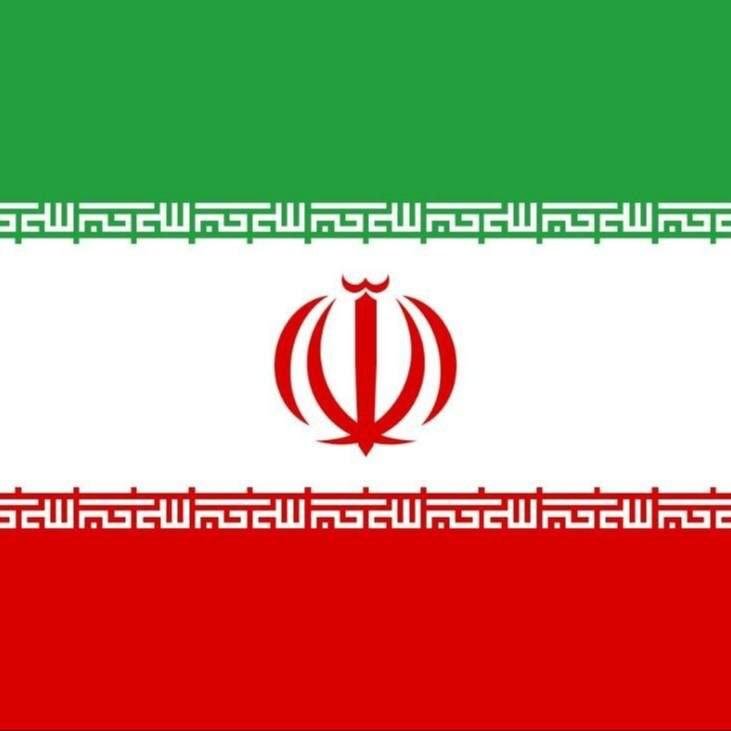
On the evening of 22 May 2026, a set of remarks attributed to President Donald Trump circulated widely across Telegram channels aligned with Iranian state media. The comments — reported by PressTV, Tasnim News English, and Fars News International — contained two distinct claims: that the US had extracted so much Venezuelan crude oil that it had covered the cost of an unspecified conflict approximately 25 times over, and that the administration was working to identify police officers who had not voted for Trump's re-election.
The substance and sourcing of those remarks require careful handling. The primary documentation comes from channels that operate within or adjacent to Iran's state media architecture — a framing environment with well-documented antipathy toward American foreign policy. That does not make the claims false, but it does mean the editorial packaging carries intent. The message being amplified is one of systematic American resource extraction framed as economic predation.
The Venezuelan dimension is not new to US-Iranian media warfare. Tehran-aligned outlets have long highlighted American energy policy in Caracas as evidence of hegemonic overreach. What differs here is the directness of the attribution — a sitting US president apparently acknowledging that crude extraction from Venezuela has been used to recoup the costs of a military operation. That framing, if accurately reflected, lands differently depending on which audience receives it. In Washington, it reads as an assertion of transactional foreign policy. In Tehran and among nations that view American Latin America policy skeptically, it confirms a narrative of extraction dressed as security.
Independent verification of the specific dollar amounts or volume figures cited in the remarks is not available from the sources reviewed by this publication. The Iranian outlets report that Trump claimed the extracted oil had "paid for the cost of the war about 25 times over" — language that implies a direct accounting between Venezuelan crude shipments and a specific conflict's budget. No independent US government figure or third-party energy monitor has corroborated those ratios as of publication. The administration has not issued a readout of the remarks, and the specific event or interview context remains unclear from the available record.
The second claim — that Trump's team was working to identify police officers who had not voted for him — is arguably more politically significant, and similarly lacks corroboration from neutral or Western-aligned outlets in the current thread. PressTV and Tasnim both reported the comment as part of the same sequence. The comment, if genuine, would suggest an administration treating federal or state law enforcement personnel's partisan affiliation as relevant to employment decisions — a framing that has drawn criticism from civil liberties advocates in previous administrations.
For readers following the broader trajectory of US energy diplomacy, several threads deserve attention. American oil companies have increased Venezuelan operations under recent sanctions waivers, a policy shift that has quietly reoriented Washington's stance toward the Maduro government. That reorientation has not been publicly framed as resource acquisition — it has been defended on strategic and counter-narcotics grounds — but the language reported by the Iranian outlets, if accurate, represents a starkly different self-characterization. Whether that language was improvised, taken out of context, or reported accurately, the gap between official framing and apparent self-framing matters for how American energy policy is read in the Global South.
The propagation vector matters here too. Within hours on 22 May 2026, the same set of claims appeared simultaneously across PressTV's English Telegram, Tasnim's English service, and Fars International — a synchronized amplification pattern consistent with a coordinated editorial strategy rather than independent wire reporting. That pattern does not prove the claims are fabricated. It does mean the framing has been shaped before any Western outlet could apply its own editorial lens.
What remains unclear from the current source set is the primary event: when and where Trump delivered these remarks, whether to a journalist, at a rally, or during a media appearance. The Telegram posts do not attach a video or transcript. A Reuters wire review across the same date does not surface the claims in the items reviewed by this desk. Readers seeking independent corroboration should monitor White House pool reports and subsequent wire reporting for any official record of the exchange.
Until such corroboration appears, the episode stands as a case study in how contested claims move through state-aligned media architectures — documented, amplified, and framed before neutral verification is possible.
Wire provenance
This editorial synthesis draws on the following public wire/social posts:
- https://t.me/presstv/48921
- https://t.me/tasnimnews_en/28431
- https://t.me/FarsNewsInt/71023
- https://t.me/FarsNewsInt/71024
- https://t.me/tasnimnews_en/28432
- https://t.me/farsna/49217
Follow the event.
These dated source records provide context. They do not retrospectively verify this archive article.
Separate what the nuclear watchdog reported from what it could not determine after the June 2025 strikes.