Iranian drones strike KDP and KDPI headquarters in Iraqi Kurdistan as US helicopters report mid-air collision
Four Iranian-made Shahed-136 kamikaze drones hit headquarters of Iranian Kurdish opposition groups in the Kurdistan Region, while a US Apache crew reportedly collided with another drone over Iraq.
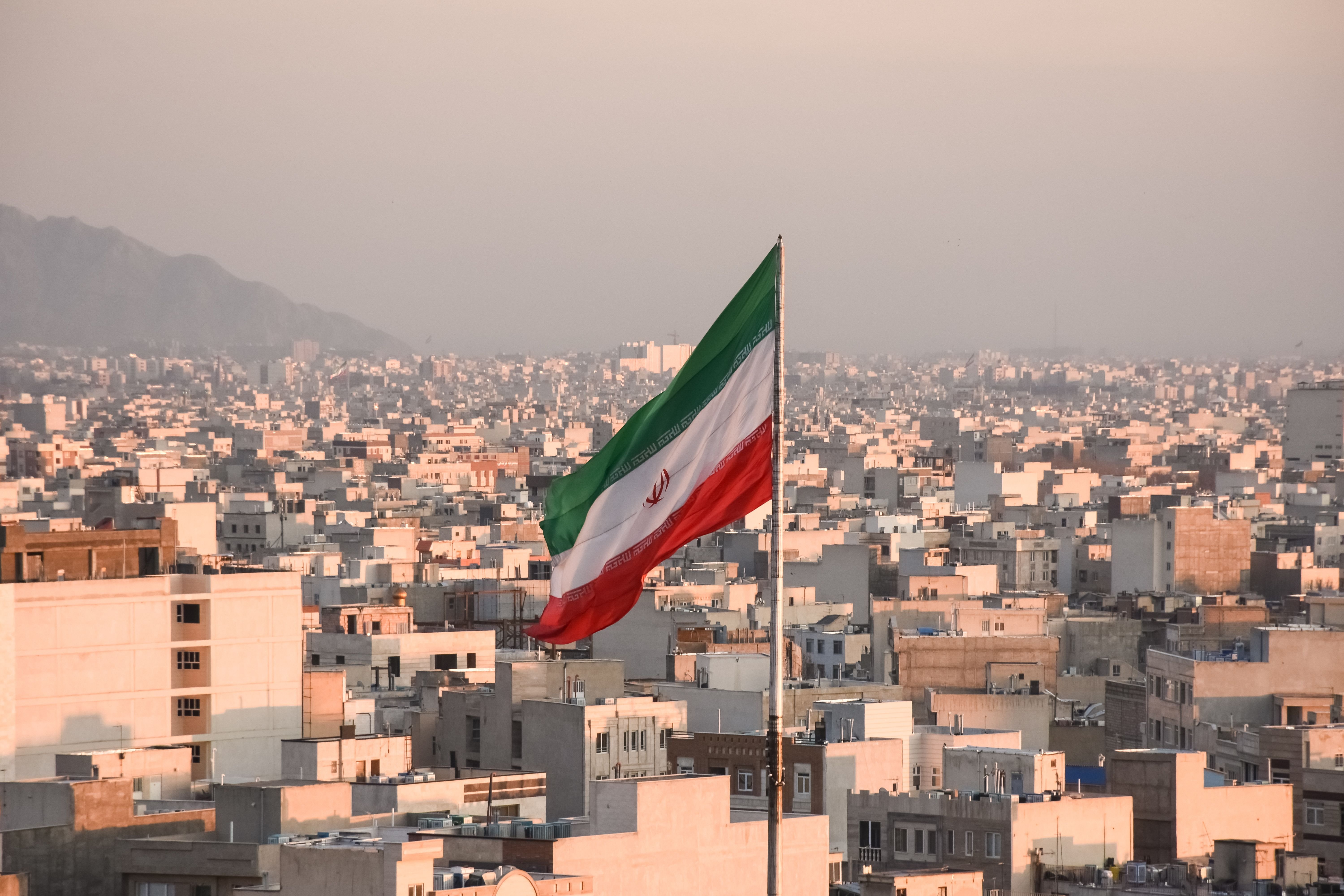
At least four Iranian-made Shahed-136 kamikaze drones struck the headquarters of Kurdish opposition parties in the Kurdistan Region of Iraq on 9 June 2026, hitting a compound of the Kurdistan Democratic Party (KDP) and a separate base used by the Democratic Party of Iranian Kurdistan (KDPI), according to posts circulated via X and Telegram accounts tracking the incident.
Within minutes, a parallel account attributed to CNN described a separate mid-air encounter: a Shahed-136 drone that "collided" with a US Army AH-64 Apache attack helicopter, also over the Kurdistan Region. A third report, posted by the Telegram channel @wfwitness, described intensified US aerial activity over Iraqi Kurdistan in the same window. The convergence of the three feeds — drone-on-base, drone-on-helicopter, and US air movement — points to a coordinated Iranian strike campaign against Iranian Kurdish targets in Iraqi territory, with US rotary-wing aircraft operating in the same airspace.
The KDP strike, reported by @sprinterpress on X, hit one of the party's headquarters buildings. The KDPI strike, confirmed by @wfwitness, hit four bases associated with the party. The two parties operate in the same autonomous region but answer to different constituencies: the KDP is the senior Kurdish party in Iraqi Kurdistan and a long-standing US partner, while the KDPI is an Iranian Kurdish opposition group with no formal Iraqi state affiliation and a long history of armed activity against Tehran. Striking both in a single afternoon suggests the drone salvo was not aimed at a single compound but at a category of target — Iranian Kurdish armed opponents — and that the KDP site may have been hit because of geographic proximity or because of its operational links to parties Tehran considers hostile.
The Apache account, attributed to CNN by @Middle_East_Spectator, used the language of "collision" rather than shoot-down, which is itself notable. US military spokespeople have historically been careful to use "collision" or "contact" when an unmanned system impacts a crewed platform without the crew being able to claim a clean kill, and "intercepted" or "engaged" when a US asset neutralises an incoming threat. The vocabulary matters because it determines whether the incident is logged as a kinetic engagement — a possible casus belli under standing US Central Command rules of engagement — or as a navigational or fratricide event. The source feed does not specify which side struck which, nor whether the Apache sustained damage. The reporting stops at "collided."
The structural frame is the routine use of Iraqi Kurdistan as a contested battlespace. Tehran has struck Iranian Kurdish opposition bases in the region before — most notably in September 2023 and again in early 2024 — and each time the Iraqi federal government in Baghdad and the Kurdistan Regional Government in Erbil have objected in public communiqués while declining to escalate. The KDP, led by the Barzani family, is a governing party in Erbil and a NATO- and US-allied actor, which makes a strike on its headquarters a sharper diplomatic affront than a strike on an isolated KDPI camp. The fact that both were hit in the same wave suggests either an indiscriminate salvo or a deliberate decision to signal that Iranian Kurdish opponents in Iraqi Kurdistan enjoy no sanctuary, regardless of their Iraqi political cover.
The Stakes: for the Kurdistan Region, the strike confirms a vulnerability Erbil has complained about for years — that Iranian drones can reach its territory, that Iraqi air defences are not interdicting them, and that the US presence in the region does not automatically translate into a protective umbrella over Kurdish civilian infrastructure. For Tehran, the operation is a continuation of a now-familiar policy: demonstrate reach, avoid an Israeli-style head-on confrontation, and force the Iraqi Kurdish and US presences in the region to absorb the cost. For Washington, the Apache encounter, if confirmed by the Pentagon, raises the question of whether a US crew encountered a hostile drone without an authorisation to fire, and what the rules of engagement now look like over a region where Iranian one-way attack munitions are now operating at scale. None of the three source feeds resolves those questions. The reporting is, at this point, the event itself — a salvo, a near-miss, and a silence from the parties that own the airspace.
What the sources do not specify: the casualty count on the ground at either compound; the operational status of the Apache after the reported collision; whether Iraqi federal air-defence systems tracked the incoming drones; whether the KDP strike was a direct hit or a near-miss; or whether the KDPI sites were struck by munitions launched from Iranian territory, from Iranian-backed Iraqi militias, or from a forward operating base. The official line from Tehran on strikes of this kind has historically been silence; the official line from Washington on Apache encounters has historically been confirmation followed by classification. The first authoritative read of the day's events will come from either of those two silences breaking.
Desk note: this publication is following the three feeds (X, Telegram, and the attributed CNN wire) and has not yet been able to corroborate either the KDP strike or the Apache encounter from a second-tier wire. The framing above is deliberately conservative: the strikes are reported, the collision is reported, the targeting logic is consistent with prior Iranian operations, and the consequences for the US presence in the Kurdistan Region are real even where they are not yet quantified.
Wire provenance
This editorial synthesis draws on the following public wire/social posts:
- https://x.com/sprinterpress/status/
- https://t.me/Middle_East_Spectator/
- https://t.me/wfwitness/