A Deal in Days, or a Head-Fake: Reading the Iran Signals Without the Hype
Trump says a US-Iran deal is 'all signed.' The text, the missile question, and the CIA's own scepticism remain unresolved. Verification, not the Friday ceremony, is the variable that will define July.
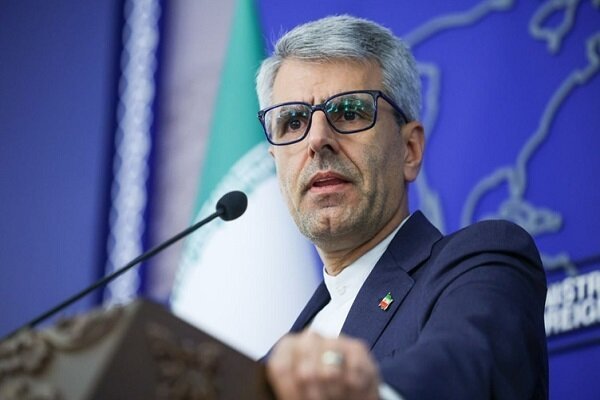
Donald Trump announced on 15 June from the G7 in France that a US-Iran agreement has been "all signed," with the text to be released shortly and a Friday ceremony pencilled in. Within hours the headline had outrun the document: the New York Times reported that senators on both sides of the aisle were kept in the dark, while Axios, citing CIA Director John Ratcliffe, carried the assessment that US intelligence does not believe Iran intends to abide by its nuclear commitments in case of a final deal. The gap between the announcement and the actual text is where this story now lives.
The diplomatic signals, read carefully, look less like a concluded negotiation than a marketing operation in motion. Iranian state-linked outlets carried Trump's claim that "Iran has agreed to never have a Nuclear Weapon," and Trump's own Truth Social posts denied the US would pay Iran $300 million, calling the story fake news. Yet neither the text, the verification mechanism, nor the missile file has been disclosed. When a reporter pressed Trump on whether Iran would be permitted to produce ballistic missiles without restrictions, the president pivoted: "This is a great deal. They will never have nuclear weapons," then told the journalist, "You work for fake" before moving on.
The signing window
The Friday ceremony in France is being treated as the inflection point. Trump told reporters the deal is "all signed" and the text "out soon," per One America News coverage of his G7 remarks. That language leaves the door open: "all signed" is not the same as a published, verified agreement, and the polling market has only partially bought in. The Spectator Index, citing the Kalshi prediction market, put the odds of a US-Iran nuclear deal before October at 52 percent on 15 June. Even the smart money is hedging.
The leaked-draft dispute
The absence of a public text is itself a tell. A deal that was truly concluded would not require senators to demand an immediate briefing and admit, as the Times reported, that they have "no information on an agreement the administration has declined to release." Israeli Prime Minister Benjamin Netanyahu, asked about the deal, told DW he does not always share the same views as Trump, while telling Israelis that "the struggle has not ended" and confirming Israeli forces would stay in Lebanon. That posture from Jerusalem suggests the regional picture is not as settled as the G7 podium implies.
The blockade and the oil move
The most concrete action on the ground is also being rolled out as a victory lap. Trump announced the end of the US naval blockade on Iran and "fully authorised" the toll-free opening of the Strait of Hormuz, per Telegram channels tracking the statement. Press TV, the Iranian state outlet, reported that the process of lifting the blockade has begun, with three oil tankers successfully crossing the blockade zone. Reuters-style verifications of vessel movements have not surfaced in the open wire record; the claim that the blockade is functionally over rests on Tehran's own framing plus the White House announcement. Iran's national football team was meanwhile announcing its squad for the opening 2026 World Cup fixture against New Zealand, an unrelated detail that captures how the Iranian state is running the deal and the domestic news cycle in parallel.
What the verification has to show
The honest read is that three things must land before anyone calls this a deal. First, a verifiable text covering the nuclear file with the kind of intrusive inspection regime that survived the JCPOA era, or a clear acknowledgement that one is not being attempted. Second, a defined answer on ballistic missiles, the question Trump dodged in France. Third, a release path for any frozen Iranian funds that survives congressional and allied scrutiny. The $300 million figure Trump denied is a placeholder for that fight, not a settled fact.
The July test
The story that will still be running in July is not the announcement of a date. It is what the text actually contains, whether CIA Director Ratcliffe's reported scepticism proves accurate, and whether the blockade lift holds once the camera moves off the G7. Verification, not ceremony, is the variable.
Follow the event.
These dated source records provide context. They do not retrospectively verify this archive article.
Separate what the nuclear watchdog reported from what it could not determine after the June 2025 strikes.