Bollywood's real product is no longer the film
The hit film is now the trailer for a much larger portfolio of OTT, music, satellite, diaspora, and in-film brand rights. Bollywood's economics have stopped running on tickets without anyone retyping the script.
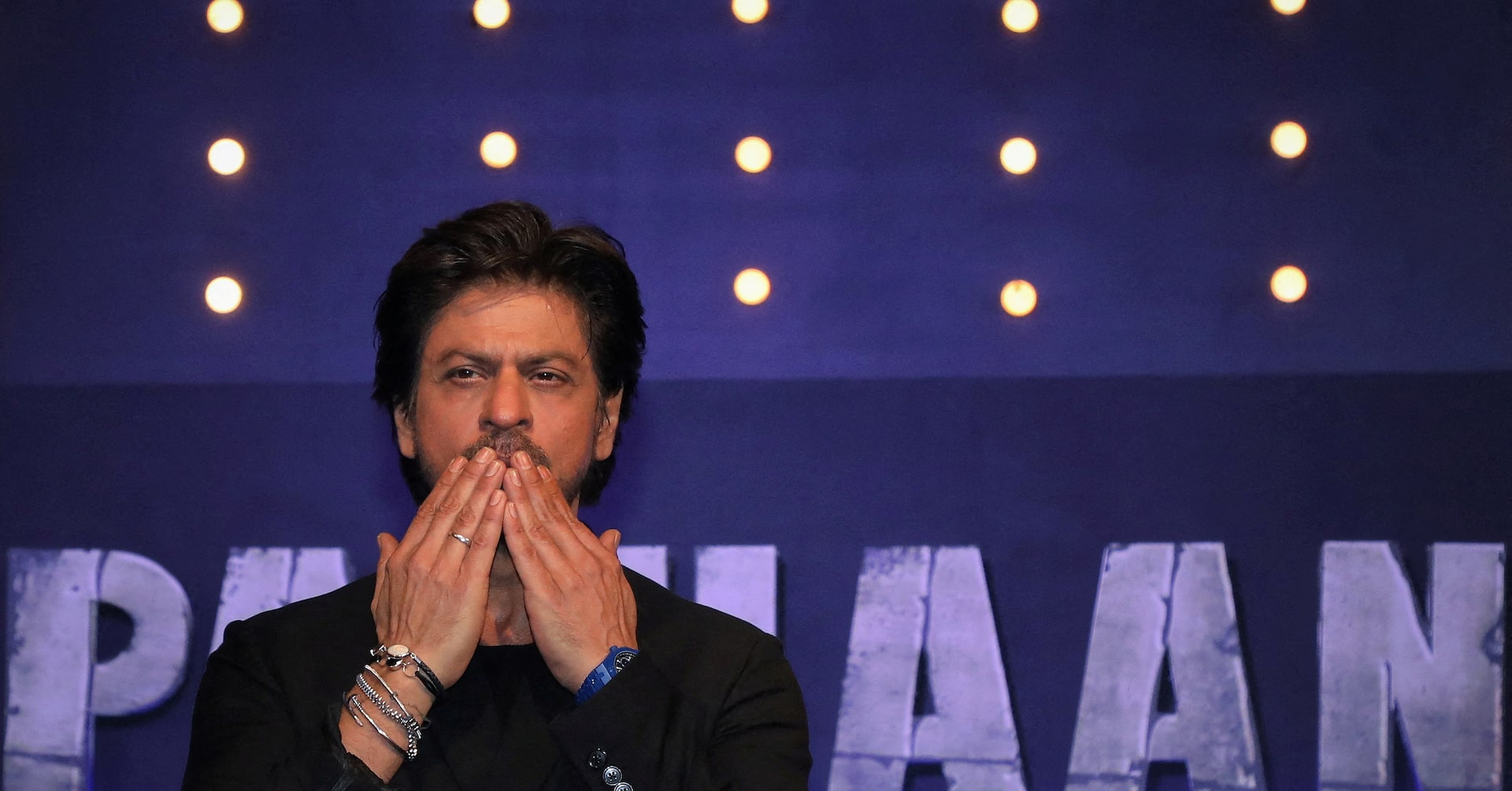
For most of its modern life, the Indian film industry sold tickets. The song-and-dance three-hour spectacle, the star vehicle, the family blockbuster that opened on Friday and earned through the weekend: those were the goods. Everything else, music rights, satellite premieres, overseas distribution, brand endorsements, even the news cycle around a release, was downstream of the box office. That hierarchy is now inverted. The film is the trailer for everything around it, and the machinery that used to support theatrical revenue has become the main revenue.
The shift did not happen overnight, and it is not unique to India. What makes Bollywood a useful case study is the speed. A studio system that, in living memory, ran on single-screen theatres and front-row black-money deals now generates a higher share of its margin from streaming licences, satellite deals, audio rights, in-film brand placements, and an export economy that counts not Indian viewers but the South Asian diaspora and a fast-growing non-Resident Indian audience in the Gulf, North America, and Britain as its primary growth tier.
The tier that actually moves the money
The numbers that have come out of Indian trade bodies in recent earnings cycles point in one direction. Theatrical collections in the major Hindi markets have plateaued, even as the production budgets of star-led films have continued to climb. The gap is filled elsewhere. Over-the-top (OTT) platforms, both global streamers operating in India and domestic players, have spent heavily on Hindi-language catalogues because they need depth and prestige to retain subscribers in a crowded South Asian market. Music labels, frequently spun off or invested in by the same conglomerates that own studios, monetise a film's songs through streaming, ring-back tones, and short-video licensing long after the theatrical run is over. A hit soundtrack now routinely outperforms the picture that carries it in pure recurring revenue.
The diaspora matters here, and not just at the ticket booth. Satellite and digital rights are sold territory by territory, and the most lucrative packages are the ones that bundle Indian-language content into South Asian-focused streaming tiers marketed to expatriates in Dubai, Jeddah, Toronto, and London. A film that underperforms in Mumbai can still turn a profit because the rights have already been monetised forward.
The celebrity is the asset, not the person
This is where the wire coverage and the economic reality part ways. The trade press tends to lead with the star: a debut, a casting change, a rumoured feud, an item number, a wedding that doubles as a tie-in. The reading is usually celebrity-as-subject: this actor's career is on the rise, that comeback is overdue. But the studio's internal model increasingly treats that framing as quaint. What the producer actually owns is a bundle of attention rights around a face and a name: the ability to anchor an OTT slate, to headline a brand campaign, to issue a calendar of Instagram-driven moments between releases that keeps the catalogue visible when no film is in theatres.
In that reading, the celebrity is the asset class. The film is the marketing event that refreshes its valuation. Everything from trailer drop counts to first-week collections to YouTube recaps is a metric the producer can show a streaming buyer, a satellite partner, an advertiser, or a brand-placement client. The Indian star system, in other words, has not been hollowed out by OTT so much as the OTT era has revealed what it always was: a content engine that monetises fame, with cinema as one of several distribution surfaces.
Brand budgets inside the frame
A second development that has shifted the centre of gravity is in-film advertising. Integration deals, in which a brand pays for its product to appear inside a scene, were once a vanity line item, a way for soft drinks and mobile networks to reach multiplex audiences cheaply. They have become a primary revenue stream for mid-budget productions and a meaningful one for blockbusters. The economics have flipped: a placement used to be priced against a film's expected ticket revenue. It is now priced against the audience the film will reach across every window, theatrical and digital, domestic and overseas, plus the cultural moments that follow the release on short-video platforms.
The consequence is that screenplays, costumes, and even dialogue lines are sometimes written with the brand in the room. A coffee brand that wants a kiss scene in the rain on a city terrace is not paying for tickets. It is buying a shot that will be clipped, reshared, captioned, and replayed for the life of the catalogue. The film is the production rig that produces the clip.
What the wire misses
The wire frame around a Bollywood story is usually the obvious one: a star, a controversy, a verdict, a chart-topping opening. The structural story is quieter. It is about an industry whose ownership concentration has deepened, whose distribution windows have multiplied, and whose economics now treat the four quadrants of release, music, satellite, streaming, and overseas as a single portfolio rather than a sequence. The line between producer, distributor, label, and platform has blurred to the point where the same conglomerate holds the rights on both sides of the negotiation.
It is also a story about measurement. The headline theatrical number is still treated as the scoreboard, even as the playing field has moved. By the time a film's first-week domestic gross is published, much of its real revenue has already been booked.
The stakes for everyone else
For audiences, the practical effect is a catalogue that is engineered to be rewatchable in pieces rather than watched in full. Songs are released as singles weeks before the film. Clips are cut for short-video before the second half is shot. The film itself increasingly arrives after the audience has already engaged with the parts the industry considers most valuable.
For regulators and tax authorities, the shift opens up questions about where the real profit of a Hindi film actually sits, and which corporate entity within the conglomerate stack books it. For aspiring talent, it confirms what the past decade of casting choices already showed: the economics reward recognisability and an online footprint, not craft training.
And for the export story Bollywood tells about itself, the open question is whether the diaspora-led model can scale without the theatrical blockbuster as a calling card, or whether the star-vehicle film will need to remain the visible product even as the invisible one moves out of the cinema hall and into everything around it.