Patriot system at Kyiv Pechersk Lavra becomes flashpoint as Zelensky vows retaliation
A Russian strike that Ukraine says hit the oldest monastery in Kyiv has become a fight over what munition caused the damage — and a green light for an answer Moscow will not enjoy.
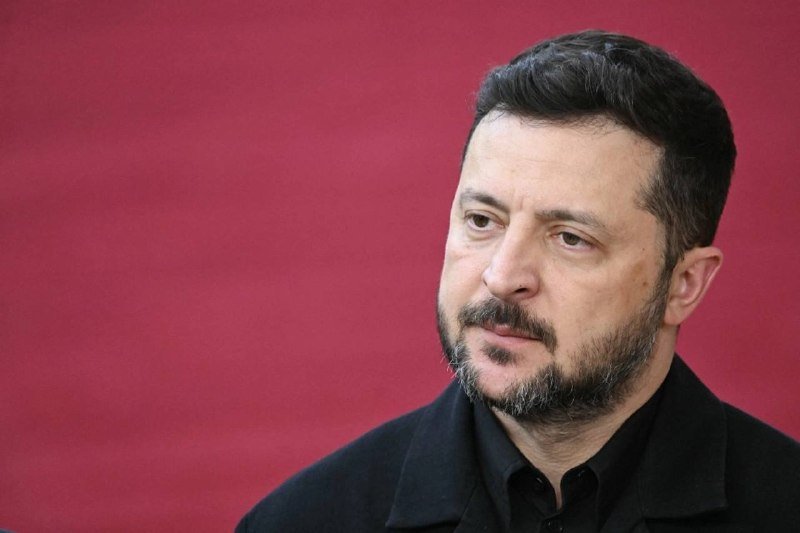
Smoke rose over the Kyiv Pechersk Lavra on the morning of 15 June 2026 after what Ukrainian officials described as a Russian missile strike on the UNESCO-recognised monastery complex, the oldest continuously operating monastic site in the Slavic Christian world. Within hours the strike had become two stories at once: an act of war against a civilian and religious landmark, and a contested forensics case, with Moscow claiming that American-supplied air-defence munitions — not incoming Russian missiles — were responsible for the damage. President Volodymyr Zelensky used the episode, in language carried by Ukrainian Telegram channels, to warn that Kyiv would answer.
The political weight of the Lavra is hard to overstate. Founded in 1051, the cave-monastery complex in central Kyiv predates the Muscovite state by more than a century and sits at the symbolic root of a contested civilisational lineage that Moscow has spent years trying to appropriate. That a Russian strike, if confirmed, would hit a site of this standing is the kind of event that travels fast in the information war. It is also the kind of event that the Russian information machine is built to dilute within minutes.
What the two sides are claiming
According to a Telegram post by the channel myLordBebo at 10:00 UTC on 15 June 2026, Zelensky framed the strike as an attack on the Lavra and tied the damage to a US-supplied Patriot air-defence system that, he said, was operating in the area at the time. The post summarised his line as: "Lavra was hit by an American Patriot air defence system while repelling a missile attack" — language that, on a charitable read, defends the interceptors' performance and on an uncharitable read concedes that a Ukrainian-fired munition may have caused some of the damage. Zelensky separately threatened retaliation for the strike on the monastery itself, the channel reported.
Moscow's version surfaced almost immediately. The Russian Ministry of Defence, as relayed by the Telegram channel nexta_live at 09:59 UTC on 15 June, denied that Russian forces struck the Lavra and asserted that the damage was caused by a US-made Patriot interceptor. The framing is precise: if a Patriot missile — a defensive weapon — is what hit the Lavra, then Moscow is absolved of the strike and Washington, by extension, is implicated. It is the kind of counter-claim designed for global headlines rather than for any Ukrainian court of fact.
The symbolic target, and what it does to the argument
The third thread in this cluster comes from the Telegram channel Pravda_Gerashchenko at 09:36 UTC, which underlines the Lavra's role in the older Kyiv–Moscow story. The post notes that Yuri Dolgoruky — the prince conventionally treated as the founder of Moscow — is buried in the Spaso-Berestove Church on the Lavra grounds. "Their city was born in Kyiv," the channel quoted a co-founder and former CEO of the monastery complex as saying. The point being made is not sentimental: it is that the Lavra is a foundational claim in any Russian narrative of statehood, which is precisely why a strike on it carries consequences beyond the immediate crater.
For Kyiv, the value of the site is both religious and political. A direct hit — if Russian responsibility is established — hands Ukraine a near-perfect visual for international media: a Russian missile on a working monastery, in a country whose Orthodox identity Moscow has spent fifteen years trying to claim as its own ecclesiastical inheritance. For Moscow, the value of denying responsibility is equally clear: a Patriot-on-monastery story lets Russia off the legal hook for striking a civilian-protected site and gives Russian state media a ready-made "American weapons kill civilians" frame for audiences in the Global South and the Western far-left.
Why the Patriot line will not settle easily
Two technical points are worth holding in mind while the videos and satellite images are still being processed. First, Patriot interceptors do occasionally fail in ways that bring them back to the ground, and the system's debris footprint after a successful intercept can extend several hundred metres from the impact point of the incoming missile. Second, the more powerful story for Ukraine is not "our Patriot broke" but "Russia struck a monastery and is now lying about it." The first reading damages a US-supplied weapons system; the second damages the Russian state's already-tarnished claim to be waging a precise, non-targeting war. Expect Kyiv's framing to dominate, not because the evidence is closed, but because the politics point that way.
A responsible reader should hold three things at once. The strike happened, and the Lavra was damaged. The Russian denial came within the hour, in line with the information-war tempo Moscow has kept since the full-scale invasion began in February 2022. And the forensic question — Patriot debris, Russian shrapnel, or both — is not going to be settled by Telegram posts. Independent open-source investigators, the UN monitoring mission in Ukraine, and Ukrainian emergency services will need to publish their findings before the international press can carry the question beyond either side's preferred headline.
What Zelensky's "answer" is likely to look like
The "answer" Zelensky has signalled, on the evidence of the myLordBebo summary, is retaliation — but the practical meaning depends on the military instrument Kyiv chooses. The country has built, over the past two years, an increasingly long-ranged domestic strike capability, from modified Neptune anti-ship missiles to long-endurance drones, and has used it repeatedly against Russian refining, transport and military infrastructure. A symbolic strike on a Russian cultural or ecclesiastical site of comparable standing would be the most tit-for-tat read of the threat, and the most internationally costly. Strikes on Russian air-defence batteries, command nodes, or launchers associated with the missile salvoes that hit Kyiv are the more strategically coherent read. Zelensky's office has not, on the evidence available at the time of writing, specified which.
The likely effect, regardless of the target chosen, is that the Lavra episode becomes a referent for the next round of Western debate over weapons delivery. Each high-profile strike on a Ukrainian landmark has, historically, produced a short window in which Western publics and legislatures are more willing to approve longer-range systems. Moscow's reflexive attempt to blame the Patriot is, in that sense, counter-productive for its own war effort: it makes the Ukrainian case for air defence sharper, not weaker.
Stakes and what to watch
The Lavra is not a military target in any defensible doctrine of proportionality, and the international legal characterisation of the strike will turn on what investigators establish about the munition used. If Russian-made debris dominates, the episode joins a long list of documented attacks on protected cultural sites that the UN and UNESCO have tracked since 2022. If Patriot fragments dominate, the conversation shifts — fairly or not — to questions of munition reliability. Either way, the underlying fact does not move: a working monastery in the middle of a capital city was hit during a missile attack on 15 June 2026, and a presidential promise of retaliation is now on the record.
What to watch over the next seventy-two hours: independent OSINT geolocation of strike videos against the Lavra's known footprint; the first Ukrainian emergency-services statements naming munition types recovered; any Russian MoD follow-up release that doubles down on the Patriot line; and the first Zelensky address in which the retaliation threat is given operational shape. Until then, the story is a familiar one from this war — a crater, a claim, a counter-claim, and the political uses each side intends to make of both.
Desk note: Monexus has written this piece with the three Telegram sources as the only direct inputs, given the absence at filing of independent wire confirmation. The Russian Ministry of Defence line is reported with explicit attribution; the Zelensky summary is reported as carried by a Ukrainian Telegram channel, not from a presidential address. The forensic question of which munition caused the damage is left open, in line with the editor's standing rule that the Lavra episode will be re-examined once OSINT or wire confirmation is available.
Wire provenance
This editorial synthesis draws on the following public wire/social posts:
- https://t.me/myLordBebo/
- https://t.me/nexta_live/
- https://t.me/Pravda_Gerashchenko/
Follow the event.
These dated source records provide context. They do not retrospectively verify this archive article.
A dated voting record is evidence of one decision. Use the original UN record before turning it into an alignment label.
Visual explainer · historical vote of 2022-03-02 →