England's narrow win over DR Congo papers over a defensive mess — and Tuchel now has to pick a side for Mexico
Harry Kane's brace rescued England against DR Congo, but a leaky right flank and a tepid first half have left the head coach with selection dilemmas that cannot be solved by individual brilliance alone.
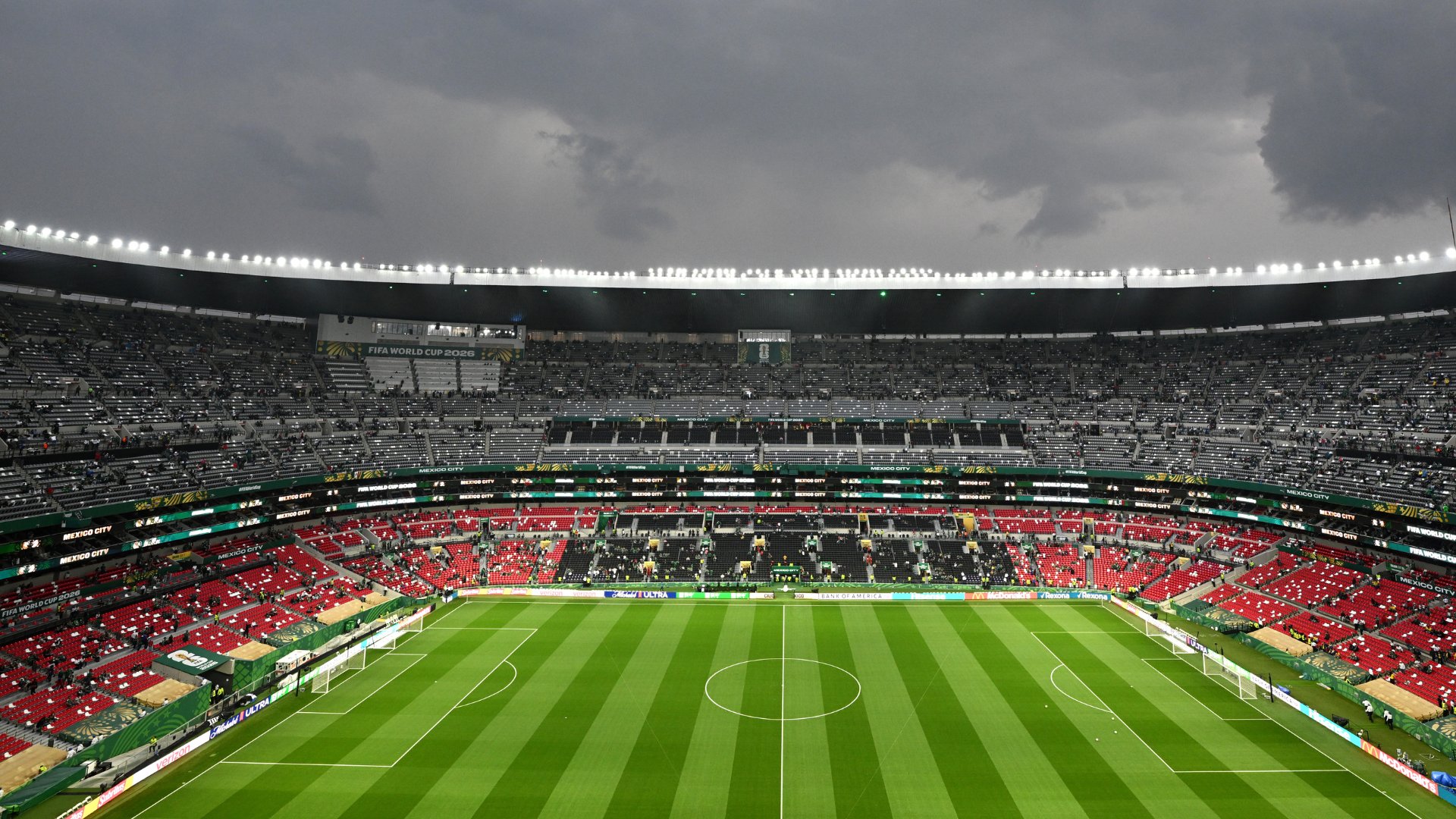
England needed a stoppage-time strike from Harry Kane to avoid being dragged into extra time by the Democratic Republic of Congo in Atlanta on 1 July 2026, edging into the last 16 of the World Cup with a 2-1 win that told two very different stories depending on which half you watched.
The first half was a chore. The second, and Kane in particular, was a reminder of why England reached this tournament among the favourites. Between those two readings sits a tactical problem Thomas Tuchel cannot pretend he has solved before Saturday's meeting with Mexico: the right side of his team is not working, and no amount of late-game rescue act is going to fix it.
The game that was, and the game that wasn't
England fell behind early and laboured through most of the opening 45 minutes against a DR Congo side that, on the available reporting, treated the occasion as the opportunity of a generation. BBC Sport's live coverage recorded Kane describing the post-match dressing-room mood around the win as the squad's "best game of the tournament" — a generous read of a 2-1 victory in which England were second-best for long stretches and survived only because their captain decided the contest in the 88th minute.
Kane's first goal, a calm finish to level matters, was necessary. His second — what BBC Sport's on-pitch reporter called a "rocket" — was the kind of intervention that papers over structural fault lines. Anthony Gordon, who set up that decisive moment, said he had "already celebrating" before the ball had crossed the line, a small but telling detail about the dressing-room's anxiety in the final minutes. Tournament football does not always reward the better side; it rewards the side that lands its one clean strike. England landed theirs.
The result, not the performance, is what advances them. That distinction matters more than Kane's post-match warmth suggests.
A right flank that is asking to be punished
The most searching piece of BBC Sport's same-day coverage was not the match report but the selection piece published hours later: "England have 'big concerns' — so who would you pick to face Mexico?" The framing was unusually blunt for a public-service broadcaster's mid-tournament piece, and it named the area most observers had identified watching the Congo game.
Right-back is the obvious structural weakness. The question of who starts there against a Mexican side that will press high, isolate wide, and target any hesitation in transition is not a question England entered this tournament expecting to be asking in the last 16. Whether Gordon, who impressed enough to keep his place despite playing nominally from the left, deserves to start is a separate debate; it is, on the evidence of one match, a debate Tuchel cannot duck.
Mexico will be a different proposition. They are organised, technical in tight spaces, and accustomed to a hostile crowd in U.S. venues. The right side of England's defensive shape — the channel between full-back and centre-back — will be tested in ways DR Congo could not fully exploit. Tuchel has, at most, two training sessions to decide whether he reshapes or repatches.
What the win actually tells us
Strip out the result and England's underlying performance metrics were unremarkable. Possession was retained without being converted into sustained pressure; the midfield was bypassed too easily in the first half; and the team relied, again, on Kane to convert one of a limited number of clear chances. None of this is catastrophic — England are in the last 16, where most contenders arrive carrying at least one visible flaw — but it does narrow the margin for error against a Mexico side that will not gift the kind of late chance Gordon finished.
There is a counter-read worth taking seriously. Kane's "best game of the tournament" verdict may be more accurate than the television pictures suggested. Tournament football routinely rewards the team that improves between ties, and England, on the second-half evidence, looked more cohesive than in their group-stage wins. Gordon's energy, the introduction of substitutes who altered the game's geometry, and Kane's positioning all pointed upward. The risk is that observers mistake a recovery for a peak.
The honest assessment is that England beat a respectable opponent, did so unconvincingly, and now face a sterner test with selection questions that were supposed to be settled before the knockouts began.
Stakes: what Mexico means beyond Saturday
A loss to Mexico would not eliminate England — there is no single elimination in the round of 16 that ends a project — but it would end the practical conversation about this squad's ceiling at this tournament. More usefully, it would expose how thin the right side of Tuchel's preferred XI really is, and force a reckoning with the question of whether the German's preferred shape can absorb the kind of pressure Mexico's wide players will bring.
For Tuchel personally, the stakes are acute. He took this job on the explicit understanding that England have the talent to win a major tournament and the history of finding reasons not to. The DR Congo win kept the run alive; the Mexico tie will determine whether the run continues for the right reasons or merely because of individual brilliance from a 32-year-old captain who has already done more than his share.
How Monexus framed this: where match-report wires emphasised the comeback and Kane's late strike, this piece reads the same 90 minutes as a warning shot — a result that buys Tuchel two more days but does not answer the structural questions Mexico will ask on Saturday.