The Strait of Hormuz Is Becoming a Tolls-and-Frozen-Funds Chess Game
A back-channel bargain — release of frozen Iranian funds in exchange for dropping tanker tolls — has stalled, leaving one of the world's most critical oil chokepoints exposed to a months-long fee dispute.
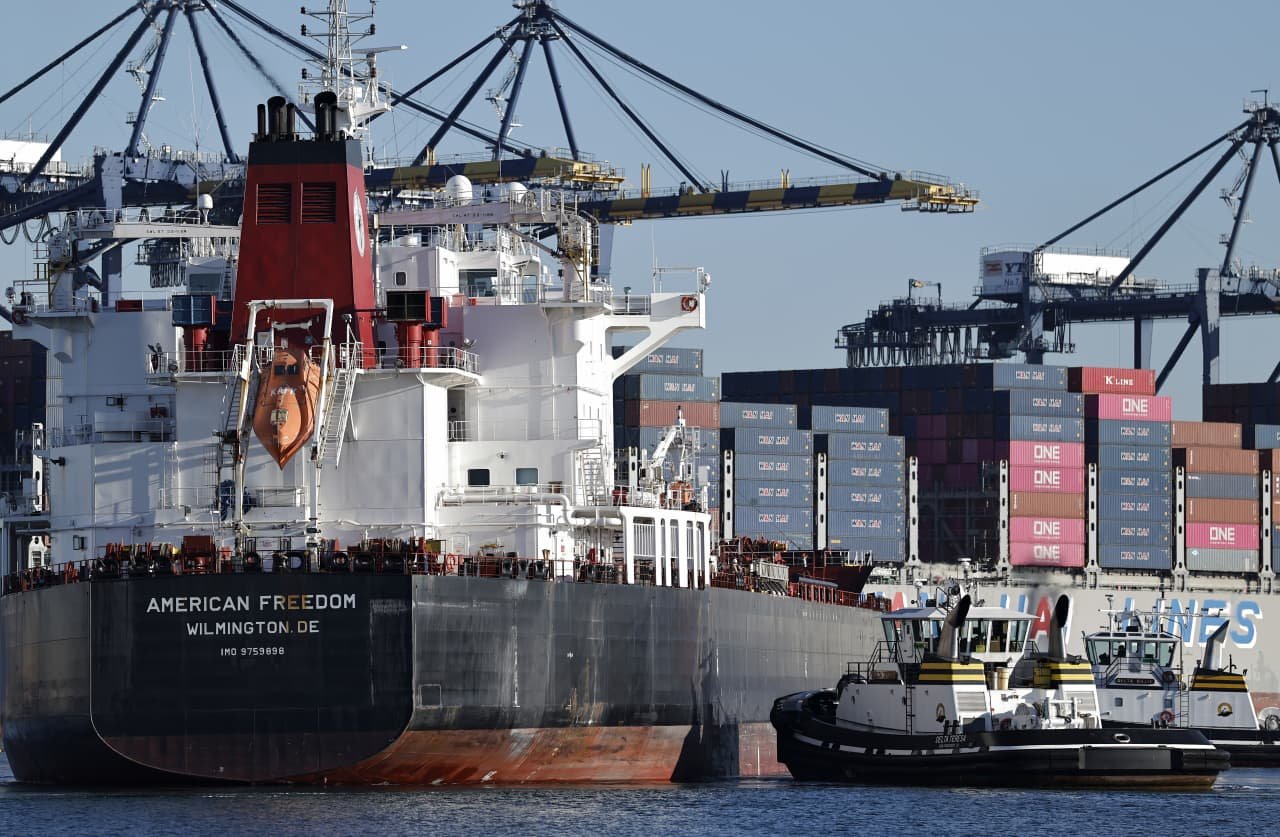
Two competing currents met in the Strait of Hormuz on 2 July 2026. From Tehran, the Iranian state-affiliated Fars News Agency carried language signalling that any US intervention in the waterway would draw a response. From Washington and Muscat, a coordinated offer: unfreeze a portion of Iranian assets held abroad if Tehran drops the idea of charging passage fees on oil tankers. Iran, by the latest reporting, has rebuffed the deal.
The arithmetic of the chokepoint is unforgiving. Roughly a fifth of the world's oil passes through a maritime lane only about 21 miles wide at its narrowest. Any sustained disruption — actual blockade, sustained toll regime, or coercive inspection pattern — moves prices globally within hours. The current dispute is not yet a closure. It is, instead, the early stage of a tolls-and-frozen-funds bargaining sequence in which the world's most consequential energy bottleneck is being treated as a negotiating chip.
A deal that did not close
Per Telegram channel @ClashReport on 2 July, the United States and Oman have been trying to persuade Iran to abandon tanker-passage fees by offering access to billions of dollars in frozen Iranian funds. The Wall Street Journal version of the same story, surfaced by @Osintlive the same day, was more specific: the offer was the release of a portion of those funds in return for an Iranian commitment not to impose fees on oil tankers transiting the strait.
Iran's answer so far has been no. The combination — funds refusal plus the rhetorical posture carried on Fars — leaves both sides' public positions intact: a US-led package structured around sanctions relief in exchange for chokepoint forbearance, and an Iranian negotiating posture that signals it will not be bought cheaply and will resist externally-driven coercion.
The Omani intermediation matters. Muscat has historically been the Gulf monarchy with working channels to Tehran; the choice of an Omani channel rather than a Saudi or Qatari one is a tell about who can still pick up the phone. The deal's collapse, if it has indeed collapsed, removes the one off-ramp that would have allowed both sides to climb down without one of them making the public concession that election-cycle politics in Washington and the Islamic Republic's own posture rules out.
The Polymarket read: a fee regime is the modal outcome
Prediction-market pricing tells its own story. Per the 2 July snapshot of a Polymarket contract on whether Iran charges Hormuz fees by the end of August, implied odds sit at roughly 41% — read that as the market's central case being that Iran moves ahead with some form of toll regime in the next eight weeks. The line is far from a hundred per cent; there is enough remaining probability mass on no-fees to suggest traders do not believe the dispute is fully out of the funds-deal path. But 41% over that horizon is the kind of number oil desks act on.
The implication is not that Iran will close the strait — that would be a self-immolating move for a state whose own revenues swing with the oil price. The implication is that the lower-cost tools — charges, selective slowdowns, administrative friction on certain flagged vessels — are actively on the table. A fee regime is more politically survivable for Tehran than a blockade and more economically survivable than one. That is what makes the current stake a tool of pressure rather than a fatal escalation.
Iran speaks, and the message is calibrated
The Fars-reported posture, that Iran will respond to any US intervention in Hormuz, is broad but not maximalist. It leaves Tehran the latitude to define what counts as intervention. A naval exercise is not intervention. A sanctions move is not intervention. The framing is intent: any specific US act inside the waterway that Tehran judges coercive will be characterised as such. That is bargaining language, not ultimatum language.
Both sides are rehearsing the legal-political terms of the next incident. Iran wants the threshold for what counts as American aggression low and publicly known, so that any future USS transit can be framed against it. The United States wants the threshold high enough that freedom-of-navigation operations are not interpreted as casus belli. The Polymarket odds and the Fars language together imply that both sides expect the friction to continue operating inside that contested middle band for the rest of the summer.
Stakes: shipping, sanctions, and the political economy of frozen assets
Three concrete stake-holders stand on either side of this.
For tanker operators and their Lloyd's-insured underwriters, the operational question is route planning and war-risk premium pricing. Iran has not closed the strait, but a fee regime would impose a per-transit cost on the world fleet, with secondary effects on Japanese and Korean refiners most exposed to Middle Eastern barrels and on the European downstream that has spent the post-2022 war years pivoting away from Russian crude.
For the United States, the political logic of the funds-for-fees exchange is that it lets Washington claim a victory — stable transit — without a kinetic event. The deal logic is the same logic that has governed Iran-frozen-funds disputes for two decades: small releases in exchange for narrowly-scoped behaviour, structured so each tranche can be reversed if Iran's posture shifts.
For Iran, the political economy is austere. Frozen funds, oil sanctions enforcement, and access to international banking are the day-to-day constraints on a state whose own fiscal year has been thinned by sanctions enforcement and by the secular decline in oil income per barrel since 2022. A toll regime — even one priced below commercial insurance premia — would put a new line on Iran's budget. That is the calculation that explains why the Fars messaging posture has hardened even as the funds offer remained on the table: from Tehran's vantage point, the offer was insufficient.
What remains uncertain
The reporting chain is short and the edges are soft. Telegram-channel sourcing on the funds-for-fees exchange describes the same Wall Street Journal piece that has not yet been independently confirmed by wire copy in the materials available to this publication. Iran's posture language is on Fars, a state-aligned outlet. The Polymarket price is one contract among many on a fast-moving topic and can move sharply on a single headline. The Omani role is described in the conflict reporting but not yet confirmed by a named official from Muscat.
None of that means the picture is wrong. It means the strongest claims — that Iran has formally rejected the offer, that a US intervention is imminent, that a fee regime will land in August — are each working hypotheses consistent with the current evidence rather than confirmed facts. The reasonable position is that the deal is alive but failing, and that both Washington and Tehran are publicly rehearsing the conditions under which they would accept or refuse a final version of it.
What is not in doubt is that one of the world's most consequential energy corridors is now negotiating-table territory, and that the negotiating table itself has been moved into the waterway.
Desk note: Monexus has led with the specific mechnics of the deal — frozen funds in exchange for tanker-fee forbearance — rather than with the more familiar framing of an Iranian-American crisis. The structural read is the same, but the deal framing makes clearer that the actors are bargaining, not brink-manning.
Wire provenance
This editorial synthesis draws on the following public wire/social posts:
- https://x.com/unusual_whales/status/...
- https://t.me/ClashReport
- https://t.me/osintlive