Balogun's red card can't stop a USMNT side that finally remembers how to win a knockout game
A red card, a rescued lead, and the first USMNT knockout win since 2002 — a side long written off as a tournament flop just bought itself another week.
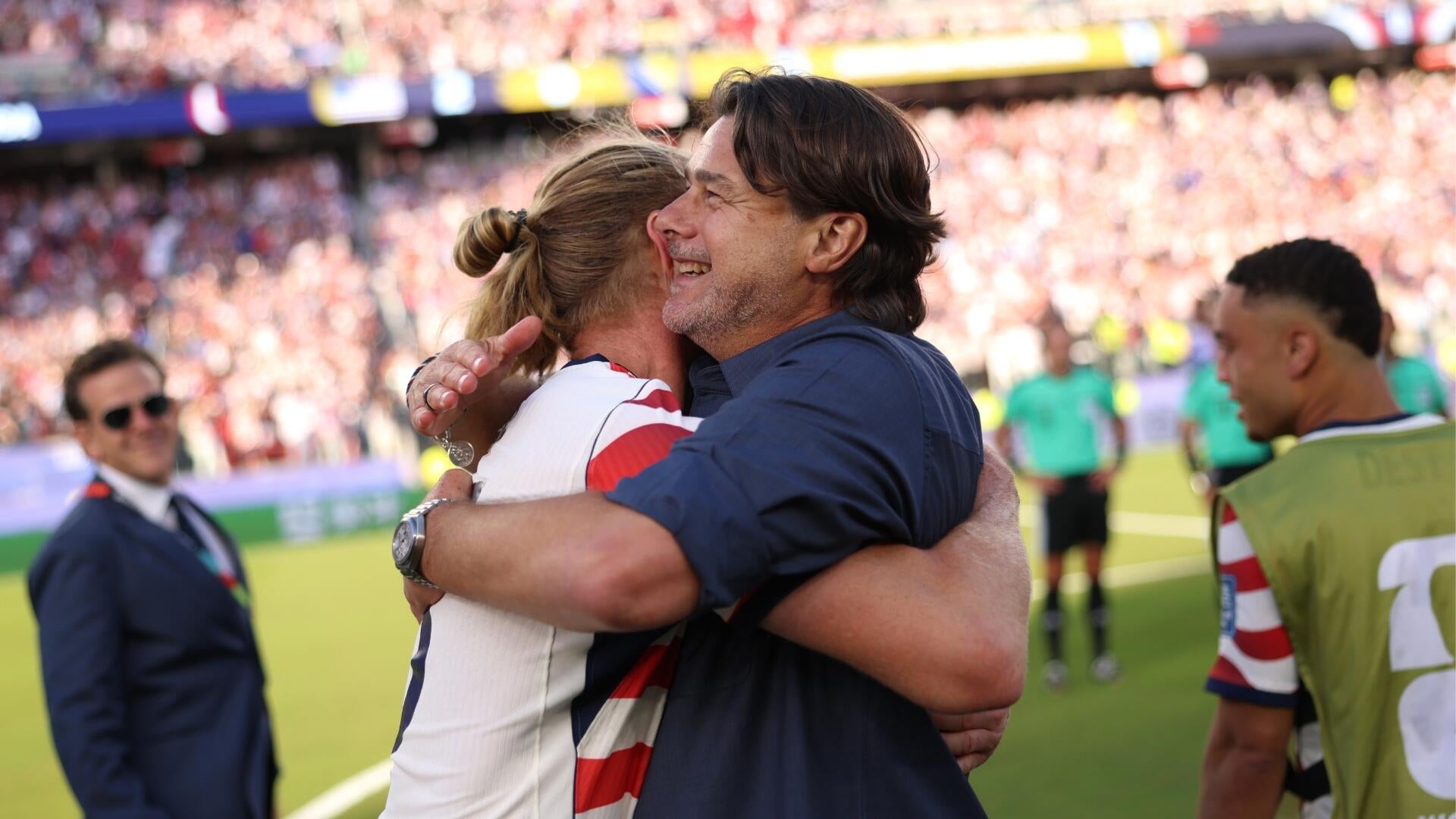
For a half-hour on Wednesday night, the United States men's national team played the kind of football its critics have spent a decade claiming it cannot play. Then Folarin Balogun was sent off, the shape collapsed, and the question became whether the Americans could simply survive. They did. A 2-0 victory over Bosnia-Herzegovina at Levi's Stadium in Santa Clara sent the USMNT into the World Cup round of 16 — its first knockout-stage win at a World Cup since 2002 — and reset the ceiling on what this tournament can become for a programme that arrived in 2026 carrying more questions than answers.
What looked, for 53 minutes, like a statement win over a tired European side, finished as a grind. The two-goal lead held. The substitutes ran down the clock. And a side that had spent two decades being mocked for folding at the sharp end of major tournaments refused, this time, to fold.
The half that made the tournament interesting
The first 45 minutes were the sharpest the USMNT has played under Mauricio Pochettino. Bosnia-Herzegovina, already emptied by group-stage elimination and reportedly dealing with internal squad friction, never settled. The Americans moved the ball through midfield with a speed the group stage had only hinted at, and the breakthrough came from the player the Pochettino project has been built around: Balogun, the Monaco-born forward who chose the US over England and Ghana, opened the scoring in the first half and added a second before the interval, per BBC Sport's match report.
The shape of the team — aggressive full-backs, two No. 8s who could break lines, a centre-forward who actually finished — was the structure Pochettino has been promising since he took the job. CBS Sports framed the win as a side that "refused to blink" in adversity. The first 53 minutes were the easy part of the argument.
The half that almost gave it all back
Then came the moment that almost turned the night into a referendum. Early in the second half, Balogun was shown a red card. ESPN's live coverage and a separate VAR review by a former Premier League referee both reported that the dismissal rested on questionable application of the laws — Balogun's challenge, the former official argued, did not meet the threshold for a straight red under the protocol FIFA had published for the tournament. The card stood. Bosnia, who had been second-best to that point, smelt blood.
What followed was the part of the night that will travel. Down to ten men, the USMNT did what previous versions of this programme historically could not: it reorganised. The midfield dropped a yard. The full-backs stopped stepping. The two-goal cushion was treated as something to be defended, not negotiated. ESPN's match report called it the side's first knockout win since 2002; the framing was right but understated the difficulty of the final 35 minutes.
The structural read
Pochettino's appointment was always sold as a structural move, not a tactical one: hire a coach who has lived through Champions League knockouts, World Cup pressure and the brutal arithmetic of a major-tournament squad, and trust him to impose that posture on a young American group. The first three group games suggested the lesson had not yet landed. Wednesday suggested otherwise.
There is a fair counter-read. Bosnia-Herzegovina arrived in California already out, reported by multiple outlets to be a squad in disarray, and the USMNT's first-half dominance was as much a function of the opponent's collapse as of American growth. The red card, in this reading, papered over a performance that was closer than the scoreline suggested — the second-half xG, the poise under pressure, the moment-to-moment game management that every serious World Cup run requires, none of that was tested the way a round-of-16 tie against a fit opponent will test it. The next opponent, drawn from the other side of the bracket, will not fold so neatly.
The counter-counter is that knockout football at this level is rarely about the opponent. It is about whether your best players impose the game and whether your squad can absorb the moment. The USMNT did both, for 53 minutes and then again, differently, for the 37 that followed.
What it means now
The stakes reset on Thursday morning. A side that arrived in 2026 under a cloud — a coaching change in the cycle, a generation of young attackers who had not yet delivered on a major stage, a domestic league still trying to prove it could produce tournament footballers — wakes up in the round of 16 with a result it has not produced in a quarter-century. The path forward is narrow and the bracket is unforgiving, but the question that hung over the programme since the 2022 cycle — whether the USMNT can win a knockout game when the format demands it — is no longer open.
What remains uncertain is the ceiling. The red-card protocols that played such a large role in this match are themselves contested, and a future officiating decision of similar weight could go the other way. The squad's depth will be tested by suspension and by the physical toll of playing 35 minutes a man down. And Bosnia-Herzegovina, in fairness, was the kind of round-of-32 opponent a serious World Cup run is supposed to beat; the measure of this team will be what happens in the next two rounds, not the last one.
For one night, though, that is enough. The USMNT is still in the tournament. And for the first time since 2002, it earned the right to say so.
This publication framed Wednesday's result as a structural test passed rather than a campaign climax reached; the wire services led on the red card and the knockout-round drought, both of which are now the live storylines entering the round of 16.