Doubles duty at Wimbledon: why elite players still queue up for two draws
With men's and women's singles stretching to best-of-five formats, top names are again entering the mixed and same-sex doubles draws. The calculus, BBC Sport and ESPN reporting suggest, has less to do with fatigue than with ranking points, prize money and the few remaining calendar weeks that still reward the specialists.
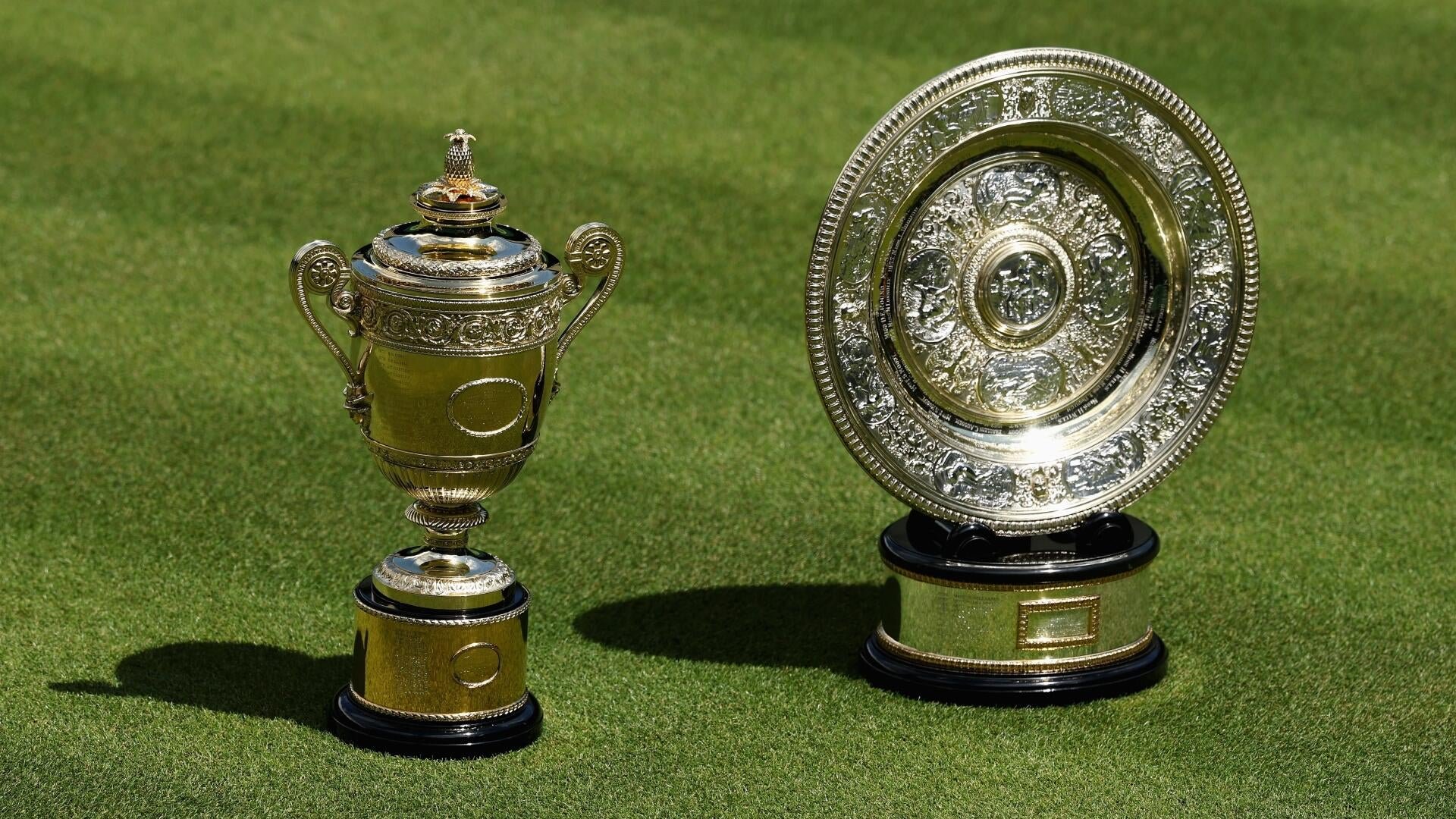
Wimbledon's fortnight opens on 29 June and the doubles draws are, as ever, populated by a familiar kind of guest: singles stars who, by their own admission, would prefer to be sleeping. On 2 July, BBC Sport published the latest instalment of its Ask Me Anything series addressing how the daily order of play is built around the men's and women's singles, leaving doubles to fill the early and late slots. The same day, ESPN carried a feature arguing that, despite those thin rest windows, the doubles entry list remains one of the most competitive on the calendar — and the most revealing.
The headline question is structural. Wimbledon runs a 128-player singles draw in both genders and a 64-team doubles draw, all compressed into thirteen playing days with no formal rest day for those who advance. A doubles specialist can plan a fortnight; a singles semifinalist cannot. Yet year after year the entry list surfaces the same pattern: a clutch of top-twenty singles players sign up for mixed doubles, occasionally for same-sex doubles, and treat the inevitable early exit as the price of a smaller, more concentrated purse.
What the schedule actually decides
The BBC Sport piece, drawn from the All England Club's published order-of-play methodology, makes the mechanics plain. Each day's play is built around a centre-court and a Court 1 schedule, with show-court slots reserved first for singles matches in progress from the previous day, then for unfinished ties from the doubles draws. Singles main-draw matches take priority for the marquee courts at midday and in the early evening — the slots the broadcasters pay for. Doubles, including mixed, are slotted into the 11:00 BST starts and into the late-evening windows once the singles headliners are done. The result is a tournament where a doubles specialist can find themselves playing a quarter-final on an outside court at 7:00 PM local time, with no guarantee of television exposure.
The trade-off, the BBC Sport explainer notes, is that doubles matches are scheduled to a maximum best-of-three format, all sets played with tiebreaks at 6-6 in every set including the third — a Wimbledon-specific concession that compresses matches to roughly ninety minutes on average. That scheduling arithmetic is the reason the same players keep signing up: the workload is bounded, even when the calendar is not.
Why top players still enter
ESPN's feature, published in the small hours of 2 July, is more candid about incentives. Doubles rankings feed directly into entry lists for the year-end finals and contribute to a player's protected ranking when injury strikes. The prize-money gap with singles remains wide — Wimbledon pays parity at the singles and doubles level for the first week, but doubles teams split their cheque and the per-player take at a first-round loss remains modest. The ESPN argument is that the calculus has shifted in the last two seasons: Olympic qualifying points now include doubles results in some federations' calculations, and the tour's restructured bonus pool rewards players who appear in more than one draw per event.
What both pieces capture, between the lines, is that the doubles draw has become a small but real hedge. A player who exits singles in the third round can still book three further days of court time, retain visibility with sponsors whose contracts are appearance- rather than result-based, and bank ranking points that compound across the season. The cost is recovery time. The benefit is structural.
What remains contested
The scheduling tension is not new, and the BBC Sport team's AMA explicitly answers a reader question about whether doubles players are being treated as second-class citizens by the order-of-play team. The All England Club's answer — that singles tickets sell the grounds and the broadcast rights — is one the doubles specialists publicly accept. Privately, several have argued over the past two seasons that a designated doubles court, with a fixed slot in the daily order, would lift the discipline's profile. The proposal has not been adopted. ESPN's framing is more pointed: it suggests the doubles entry list would shrink noticeably if the ATP and WTA were to remove ranking-point incentives for the discipline at the Masters-1000 level — a change that has been informally floated in tour-player councils but not implemented.
The sources do not specify which top-ten singles players have confirmed doubles entries at the 2026 Championships, and the daily order of play is published only the evening before. What can be said is that the structural incentives both BBC Sport and ESPN describe remain in place: a compressed match format, ranking-point rewards, and a fortnight with no off-day. Until one of those moves, the doubles draw at the All England Club will keep doing what it has done for the last decade — borrowing stars from the singles draw and asking them to play through the fatigue window for the ranking currency and the broadcast exposure the format still affords.
This publication read the BBC Sport AMA and ESPN feature as complementary rather than competing: one explains the mechanism, the other explains the motive. The scheduling puzzle only looks like mismanagement if the doubles draw is read as a sideshow; read as an integral part of the ranking economy, it begins to make more sense.