England survive a Congo scare — and the real test starts now
Harry Kane's late double spared England an early exit against DR Congo, but the margin of comfort against Mexico will be the only number that matters.
England are through to the last 16 of the 2026 World Cup, but only after a 2-1 win in Atlanta on 1 July 2026 that owed more to Harry Kane's nerve than to the team's control of the contest. The captain's two goals — the first a penalty equaliser, the second a late drive that the BBC's pitch-side microphone picked up almost as soon as it left his boot — turned a tie that had drifted for long stretches into a meeting with Mexico at the weekend. The result is comfortable on paper. The performance was not.
That gap between scoreline and performance is the story now. A side ranked among the tournament favourites spent much of the evening second-best against a DR Congo side that, by the BBC's report, played with the discipline and physicality of a knockout-round veteran. England did not look like a team short of talent. They looked like a team short of a settled idea about how to use it.
The shape that nearly cost them
For the first hour, England could not find a rhythm. The BBC's match report records Kane's opener from the spot as the moment the contest tilted, but it was an equaliser, not a lead — DR Congo had taken the game to Thomas Tuchel's side early, capitalised on a slack opening, and defended with a structure that the Premier League's travelling contingent in the stands would have recognised from any mid-table Saturday. Anthony Gordon, who had been moved into the lineup to inject exactly the chaos the first phase of the tournament lacked, told the BBC afterwards that he was "already celebrating" before Kane's winner had crossed the line. The honesty of the admission was more revealing than the grin that came with it: even inside the England camp, the relief was visible.
Kane himself called it "our best game of the tournament" in his post-match remarks to the BBC, praising the attacking movement in the second half. That is the captain's prerogative — and his second goal, struck from distance with the sort of conviction that big tournaments remember, was genuinely exceptional. But "best game" is a relative term in a campaign that has not, until now, produced a convincing 90 minutes against a ranked opponent.
The right-back question that will not go away
If the win answered one debate, it sharpened another. The BBC's pre-match coverage flagged "big concerns" at right-back, and the match did not settle them. Mexico, in the last 16, will test that flank with wide players who understand how to isolate a full-back one-on-one. Whether England pick a defender there to contain, or a wing-back to overload, is a question the staff have not yet answered in public.
Gordon's case is the counter-argument to caution. He is the kind of player who can turn a tight knockout tie with a single carry, and Tuchel has used him as exactly that kind of lever. Whether he starts against Mexico, or whether the manager chooses the more conservative option that the first 60 minutes in Atlanta suggested he preferred, will tell us more about England's ceiling in this tournament than any of the three group-stage wins combined.
What Mexico actually bring
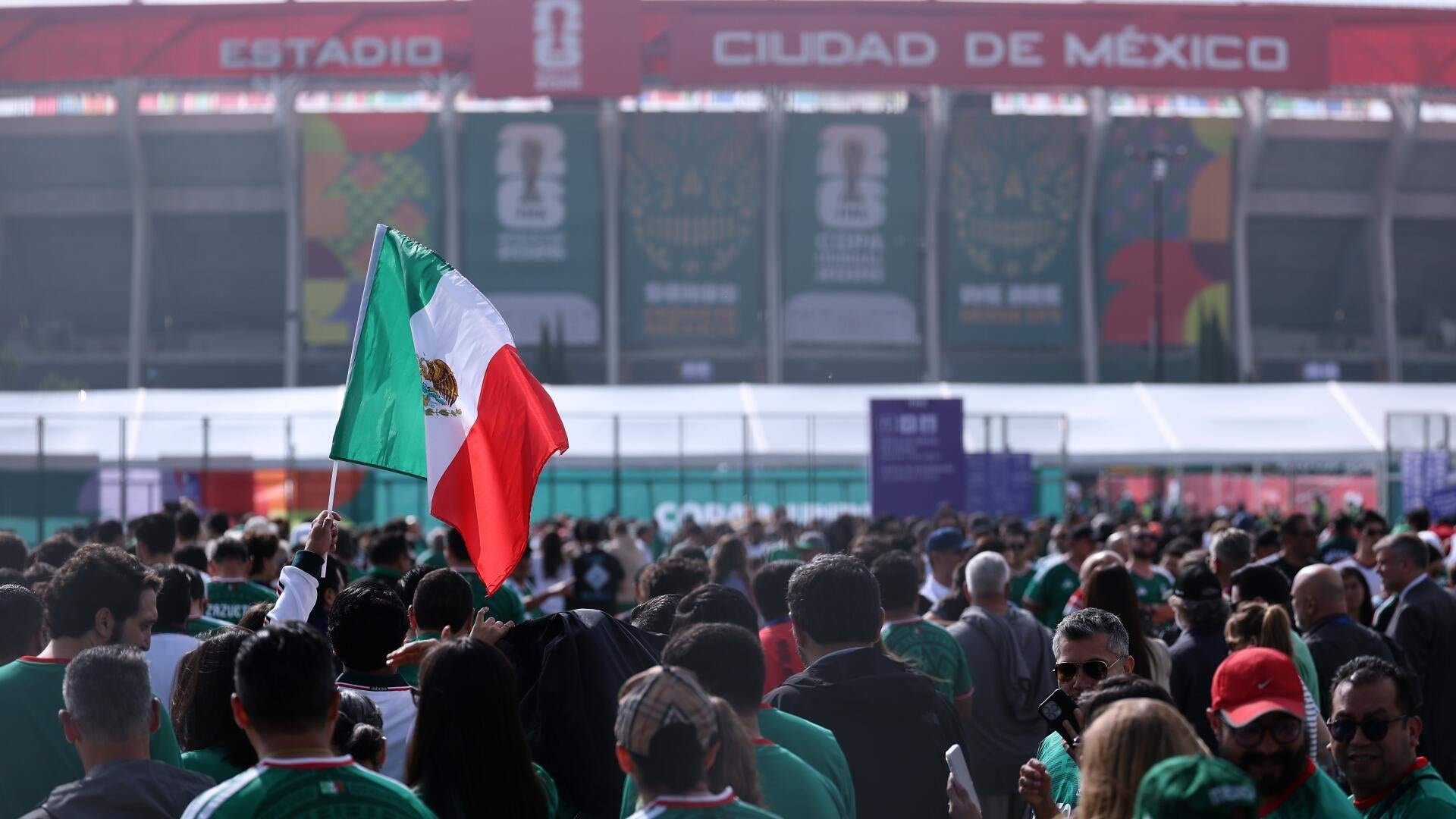
Mexico arrive as the host nation's second string in the bracket — not the headliners, but the side that has spent the entire group stage playing in front of a home crowd and has not yet been beaten. England's win in Atlanta restored belief that the knockout football can be played at the higher tempo the squad showed at the end of the DR Congo match. But Mexico's run has been built on a different premise: defend in numbers, counter through wide runners, and trust the home support to do the rest.
That is not a team England can out-possess into submission. It is a team England have to break down, with patience and width, on a pitch that will not feel like home.
Stakes, and the honest reading
The stakes are now familiar. A last-16 win puts England into a quarter-final against either the winner of a group containing one of the South American qualifiers or a seeded European side still to be determined; the route to the semi-finals, on paper, opens up from here. The honest reading, though, is narrower. England's best performance of the tournament so far ended 2-1 against a side ranked outside the top 20. Kane's winner was a "rocket" by the BBC's own description, which is another way of saying it was not a goal built from sustained pressure. Mexico will not gift that kind of moment; they will require one manufactured.
There is also a counter-narrative worth naming. The dominant frame in the British press treats the DR Congo win as evidence of England's resilience — the "togetherness" Gordon emphasised, the leadership of a captain who scores when it matters. The alternative read is that England were fortunate to face a side that, for all its defensive discipline, lacks the depth to punish 60 minutes of midfield drift. The evidence for the first reading is Kane's goal and the team's spirit. The evidence for the second is the scoreline at the hour mark and the absence of a settled right-back.
What is not in dispute is the schedule. Mexico, in the last 16, on a weekend. The tournament has begun, properly, for England. The next match will say more than the last three combined.
This piece leans on the BBC's match reporting from Atlanta and the post-match interviews with Kane and Gordon. Wire copy from Reuters and AFP is broadly consistent but was not available in the source thread; readers seeking a second-source read of the second-half chances should treat the BBC's account as the primary record for now.