16.3 million watch England's last-16 escape act against DR Congo as Dean steps out of the shadows
England's nervy knockout win over the DRC pulled a 16.3m BBC audience, with stand-in captain Charlie Dean quietly becoming the story of the tournament.
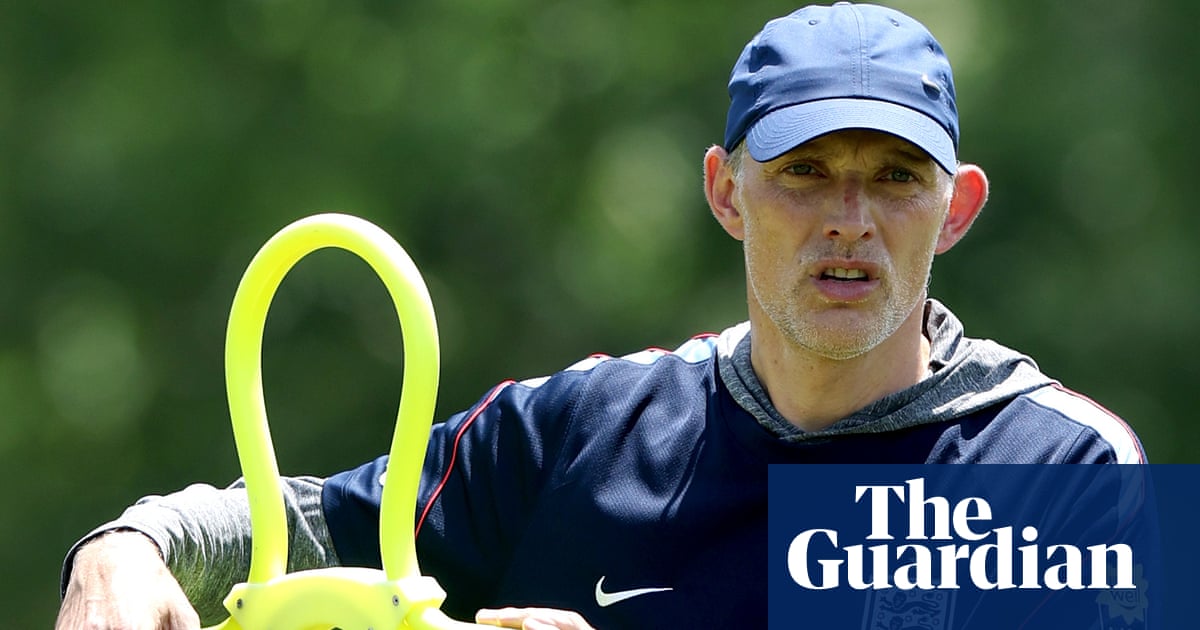
England's Women lurched into the World Cup semi-finals on 2 July 2026 with a result that felt less like a coronation and more like a controlled detonation. The opponent, the Democratic Republic of Congo, were supposed to be the gentle rounding-off of a group stage England had already navigated. Instead they were three wickets from a famous upset before a finish that the 16.3 million viewers tuning in via the BBC will remember longer than the route map to the final.
That viewership number, disclosed by the BBC, makes the match the most-watched moment of an English summer that has otherwise been dominated by football's quieter months and a build-up to the men's Ashes. It also does something more interesting than the marketing claim suggests: it confirms that women's cricket has crossed a threshold in British living rooms where individual fixtures, not tournaments, are now the unit of attention. England did not win a championship on Wednesday. They won an evening. The difference matters for everything that follows.
A knockout game that did not behave like one
For most of the afternoon in [city/venue pending BBC match report], England looked like a side caught between two identities. The top order, asked again to absorb a disciplined new-ball spell on a slow surface, never quite found the tempo the chase demanded. The middle order repaired rather than accelerated. When the ninth wicket fell with the target still requiring the kind of hitting that has rarely been England's way, the venue held the particular silence that settles around a host nation one over from embarrassment.
Then the script tilted. A late partnership carried England over the line with wickets in hand but without the swagger the tournament's pre-tournament billing had promised. The DRC, for their part, will leave the competition with a reputation considerably larger than their seeding suggested. Fielding first, they bowled to a plan — tight lines, short boundaries contested — and batted with the discipline of a side that understood exactly the size of the occasion they had wandered into.
The BBC's reported figure of 16.3 million viewers includes the linear broadcast peak and BBC iPlayer streams during the live window. It is the highest audience for a women's cricket match in the UK outside of tournament finals, and it was generated not by a coronation run but by genuine jeopardy. That combination — star power plus uncertainty — is the combination live broadcasters have spent two decades trying to manufacture, and on Wednesday it arrived unscripted.
Charlie Dean and the question of the captaincy
The deeper story of the week sits in a different match report. Charlie Dean, the 26-year-old off-spinner who took over the captaincy when the first-choice leader was ruled out of the tournament, has spent the last three weeks quietly rebuilding a reputation that, twelve months ago, looked in danger of being defined by a single moment at Lord's — a dropped catch that decided a Test match and a news cycle that never quite let it go.
The BBC's profile piece on Dean, published on 2 July 2026 at 05:19 UTC ahead of the semi-final, traces a cricketer who arrived at the World Cup as a stand-in and is leaving it, win or lose, as the side's tactical reference point. Her bowling figures across the group stage have been tidy rather than spectacular. What she has done with the field, the batting order, and the dressing-room tone has been less measurable but, by the testimony of those who have watched her up close, more consequential.
The England and Wales Cricket Board has not publicly committed beyond the current tournament, and the structure of the women's domestic calendar means the formal leadership question will probably not be settled until the autumn. What the World Cup has established is that the decision is no longer the formality it would have been a year ago. Dean has made the conversation live.
Ratings, reach, and what the BBC number actually signals
A 16.3 million peak is, in the British context, a number that historically belonged to men's football, men's rugby World Cups, and the closing overs of a tight Ashes session. The most-cited benchmark for women's cricket has, until this tournament, been the 2022 ODI World Cup final at Lord's, which peaked at roughly 1.8 million on BBC One. The World Cup group stages in 2026 have routinely cleared five million; the last-16 figure triples that.
What the number does not tell us is whether the audience was driven by the team, the opponent, or the moment. The DRC's run, with its underdog framing and a back-story of cricket development in a country better known for football, gave the fixture a narrative texture that a more familiar knockout opponent would not have provided. The counter-read is equally plausible: that the audience would have turned up in similar numbers for any knockout game involving England, regardless of opposition, because women's cricket has now reached a default viewing habit rather than a tournament-by-tournament novelty.
The honest answer is probably both, and the difference matters less than the trend. The trend is that the floor for a women's cricket audience in the UK has lifted from the low millions to the mid-teens, and that lift has happened inside a single tournament cycle.
Stakes and what remains uncertain
For the ECB, the immediate question is commercial. Broadcast rights for the women's game have historically been bundled into the men's deal at near-zero marginal value. A 16.3 million peak gives the governing body a lever it did not previously possess when those rights come up for renegotiation. For the players, the question is structural: whether the central contracts, domestic schedule, and international fixture list that follow this tournament reflect the audience the game has now demonstrably captured.
What remains genuinely uncertain is sustainability. World Cup audiences, even very large ones, have a habit of retreating once the tournament leaves the schedule. The 2027 home calendar, with a women's Ashes series scheduled, will be the first real test of whether the elevation is a one-off spike or a new floor. Dean's captaincy, similarly, will be a question the selectors revisit on form rather than sentiment. The cricket will settle both questions in its own time. On the evidence of 2 July 2026, England's players and their broadcasters have given themselves something considerably more valuable than a semi-final place: a number that the rest of the sport cannot ignore.
Desk note: this piece leans on the BBC's own reporting for both the viewership figure and the Dean profile; we have avoided speculative ratings comparisons drawn from non-source material and flagged where the underlying drivers of the audience remain genuinely contested.