Germany's World Cup reckoning lands on Nagelsmann's desk
Julian Nagelsmann is out as Germany coach after a third consecutive early World Cup exit. The DFB has traded the man, not the structural problem that put him there.
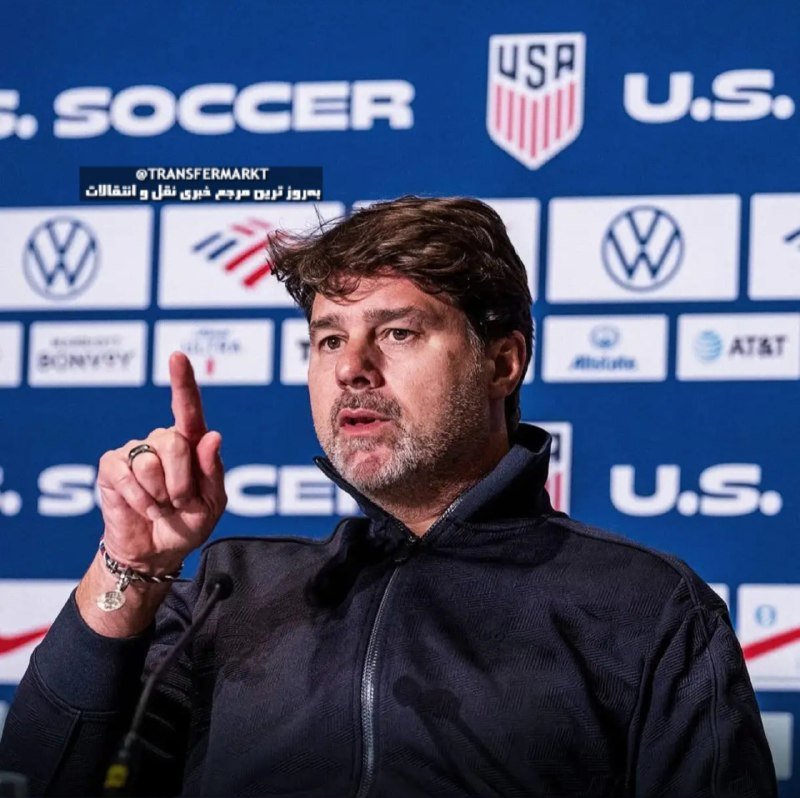
Julian Nagelsmann is no longer the Germany coach. The German Football Association (DFB) confirmed the separation on 3 July 2026, hours after another tournament ended earlier than the federation had budgeted for. The parting is described by Deutsche Welle as the conclusion of a "downfall" whose roots lie well before any single result, and the framing matters: Germany have now failed to escape the group stage or the round of 16 at three consecutive major tournaments, a pattern no coaching change has so far interrupted.
Nagelsmann's departure lands as a clean administrative act, but the harder question is whether the DFB has just swapped a name or a direction. Germany's football culture has spent a decade arguing about itself, about what it inherited from the 2014 generation and what it refuses to inherit, and that argument has been waged more loudly in the press box than on the training ground. The next coach inherits a federation that knows what it is against faster than it knows what it is for.
What actually happened on the pitch
Germany's showing in the United States was described in this publication's tournament coverage on 2 July as a team that no longer knows how it wants to play. That is the line the federation is now formally endorsing by removing the head coach. The earlier note did not lay the blame at the feet of any individual; it pointed instead at the absence of an identity visible in the structure of the side, in the way it pressed, in the way it built from the back, in the way it attacked a low block. Those are questions of system and selection, and they do not migrate cleanly with a change of dugout.
The DFB has framed the separation as a sporting decision, not a political one. That distinction will not survive contact with Germany's broader football press, where the debate about who Germany are supposed to be has been running since the 2018 group-stage exit in Russia and the round-of-16 defeat by England at Euro 2020. Nagelsmann arrived in 2023 with a reputation for tactical flexibility; he leaves with a record that does not match it.
The counter-narrative the federation will now test
The DFB's preferred story from this point is that the squad is talented enough, that the next appointment can refine the system without rebuilding it, and that the structural problem is not German football but German football's mood. There is something to that: the squad that travelled to the World Cup included players who had won Champions League minutes, Bundesliga titles, and major caps in their twenties. Talent is not the binding constraint.
The harder counter-narrative, and the one several German outlets have been pushing for months, is that the federation's own choices — a calendar that asks senior players to compress a league season, a Champions League, a DFB-Pokal, and a national-team window into a single calendar year — are eating the very identity the public demands. A team that cannot settle on a way of playing often cannot settle because its best players are being asked to perform three jobs a season. That is a federation problem wearing a coaching problem's clothes.
What is structural here
Strip the personalities out and the pattern is familiar. Germany's footballing establishment is caught between two languages: the international game, which has moved toward athletic pressing, positional rotations, and structured build-up under the influence of the leading club systems on the continent; and a domestic identity that still wants to see control, vertical passing, and the kind of authoritative midfield presence the 2014 generation provided almost by reflex.
The federation can pick a coach who speaks the first language fluently — and several candidates in the European club game do. It can pick a coach who speaks the second. It cannot, by appointment alone, give those two vocabularies a shared grammar inside a national-team camp that has eight or ten training days between competitive windows. That is the structural deficit. It does not resolve with a single signature in Frankfurt.
Stakes and what to watch next
The immediate stakes are concrete. The DFB's sporting director will now run a process that decides whether Germany appoint before the September window or wait until after it; whether the federation looks to a domestic Bundesliga coach, a Champions League club manager, or a foreign candidate; and whether the brief given to the new coach is "rebuild" or "restore." Each of those choices tells the German public something different about what the federation believes went wrong.
The larger stakes are reputational. Germany remain one of only three nations to have won four men's World Cups, and the federation has spent two cycles trying to translate that history into a contemporary playing identity. Failing to do so at a third consecutive tournament does not yet constitute a crisis in the historical sense, but it does constitute a warning the DFB can no longer address with a press conference and a new contract.
What remains genuinely uncertain is whether the federation's diagnosis matches the public's. The two available source items, one from this publication's tournament note and one from Deutsche Welle's confirmation of the separation, agree that Nagelsmann is leaving. They are more cautious on the question of what comes next, and that caution is honest: a coaching change in Frankfurt is the easiest part of the change Germany actually need.
This publication framed Germany's exit as a question of identity before the federation framed it as a question of personnel. The next hire will test which framing the DFB actually believes.
Wire provenance
This editorial synthesis draws on the following public wire/social posts:
- https://t.me/themonexus/cluster-4688ad91b0