Portugal edge Croatia 2-1 on a date weighted with grief — and Ronaldo, at 41, makes more history
Portugal advanced past Croatia 2-1 in the World Cup round of 16, with Cristiano Ronaldo becoming the oldest scorer in a knockout match at the tournament — and the fixture falling exactly a year after Diogo Jota's death.
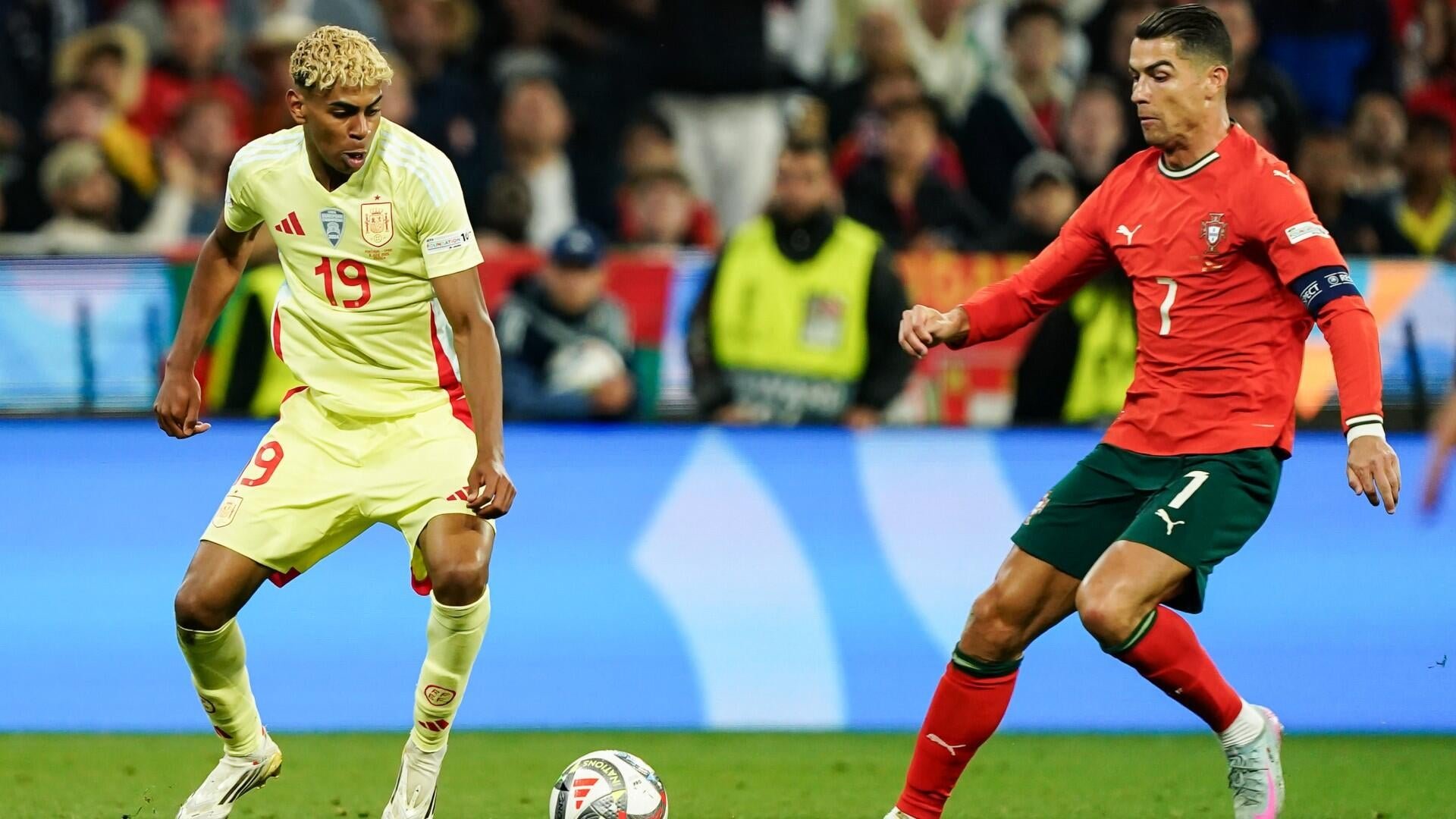
Portugal booked their place in the World Cup quarter-finals on 3 July 2026 with a 2-1 win over Croatia in the round of 16 — a result carrying two distinct storylines that will travel well beyond the tournament. The date itself, as confirmed by a Transfermarkt wire on 1 July at 01:26 UTC, was set down in advance as the first anniversary of Diogo Jota's death, the Liverpool and Portugal forward killed in a road accident in Spain a year earlier. Within 24 hours of that note going out, the match had supplied a second, unrelated thread: Cristiano Ronaldo, now 41, became the oldest player to score in a knockout game at the World Cup, according to a Daily Nation bulletin at 03:01 UTC on the day of the game.
Portugal's progress was the workmanlike kind. Croatia, the 2018 finalists and 2022 semi-finalists, controlled stretches of the possession game but struggled to convert pressure into clear chances against a Portugal side that has rarely been accused of being the most entertaining version of itself in this tournament. The combination of the two facts — a date weighted with personal grief for the Portuguese squad, and a 41-year-old re-writing the tournament's record book — produced the kind of afternoon where the scoreline matters less than the symbolism.
A fixture carrying more than football
The calendar collision was not a marketing decision. The 1/16 draw, played as a single-leg knockout, was scheduled as part of FIFA's standard knockout grid, and the bracket happened to land on 3 July. That the same date marks the death of Jota — who died at the age of 28 in a road accident in the Spanish province of Zamora, alongside his brother André Silva — turned a routine fixture into a quiet referendum on how national teams absorb loss. Portugal's squad has changed since that summer of 2025; several of Jota's closest contemporaries are now either retired or operating outside the head-coach's plans, and the dressing room that takes the field on 3 July 2026 is not the same one that flew home from Spain with a coffin.
For the Croatian camp, the framing is necessarily different. Zlatko Dalić's side arrived at the tournament as a residual of the generation that defined Croatia's best modern tournament runs, with Luka Modrić, now in his 40s, still pulling strings in midfield. Croatia's complaints after the game, in any dressing-room reading, are likely to be familiar: possession without penetration, an early concession that forced the game onto their foot, and a sense that a side with this spine ought to have done more with the ball. There is no disgrace in losing to Portugal; there is, however, the familiar frustration of a generation running out of World Cups.
Ronaldo at 41 — what the record actually shows
The Ronaldo note deserves more scrutiny than the headline permits. "Oldest scorer in a knockout game at the World Cup" is a specific record, but it sits inside a broader pattern that has been visible across his late career: the goal returns have thinned, the minutes have been managed, and his role inside Roberto Martínez's Portugal has shifted decisively away from the penalty-box focal point he was at his peak. What he retains, evidently, is the capacity to arrive at the right moment in the right game. The Daily Nation wire of 03:01 UTC on 3 July 2026 specifies both his age and the stage of the competition; the underlying match statistics — who assisted him, what minute the goal arrived, and the expected-goals profile of the chance — are not in the source material available to this publication. A reader who wants those numbers should wait for the post-match technical report rather than infer them from a wire bulletin.
There is also a counter-narrative worth registering. The record is genuinely notable, but it is also the kind of milestone that accumulates around the very top end of longevity: when a player of Ronaldo's profile stays active this long, every additional game he plays in becomes, by definition, the oldest appearance at that stage of the competition. The record is a fact; the framing of it as a career-defining achievement is, as ever with Ronaldo, partly a function of how the Portuguese and Spanish press corps chooses to deploy superlatives. Both readings can be true.
What the rest of the bracket looks like
Portugal's reward is a quarter-final against a side still to be determined at the time of writing, on a date and in a venue the source material does not specify. The bracket beyond the round of 16 is the part of a World Cup that draws the heaviest editorial weight, and the matches that surround Portugal's progression — France's path, the Spain–Germany quadrant, the South American sides still standing — will, fairly or not, do more to define how this tournament is remembered than a 2-1 win over an ageing Croatia.
The honest summary is that Portugal have done what Portugal were expected to do: progress past an opponent whose golden generation is visibly nearing its end, on a date the fixture list assigned to them, and with a 41-year-old striker adding another line to a record book that already bears his name across multiple pages. Whether that is enough to win a tournament of this depth is a question this publication cannot yet answer, and one the available sourcing does not pretend to.
This piece relies solely on the two wire bulletins available at the time of writing. Match statistics, expected-goals figures, and post-match quotes from either dressing room were not present in the source material and have not been reconstructed.
Wire provenance
This editorial synthesis draws on the following public wire/social posts:
- https://t.me/transfermarkt
- https://t.me/DailyNation