Aljira at 35: how a Newark artist-led space outlasted the galleries that wanted New Jersey to behave
An artist-led alternative space in Newark, founded in 1983 and still operating, is being marked this summer as a model of regional organising the contemporary art world stopped pretending to admire.
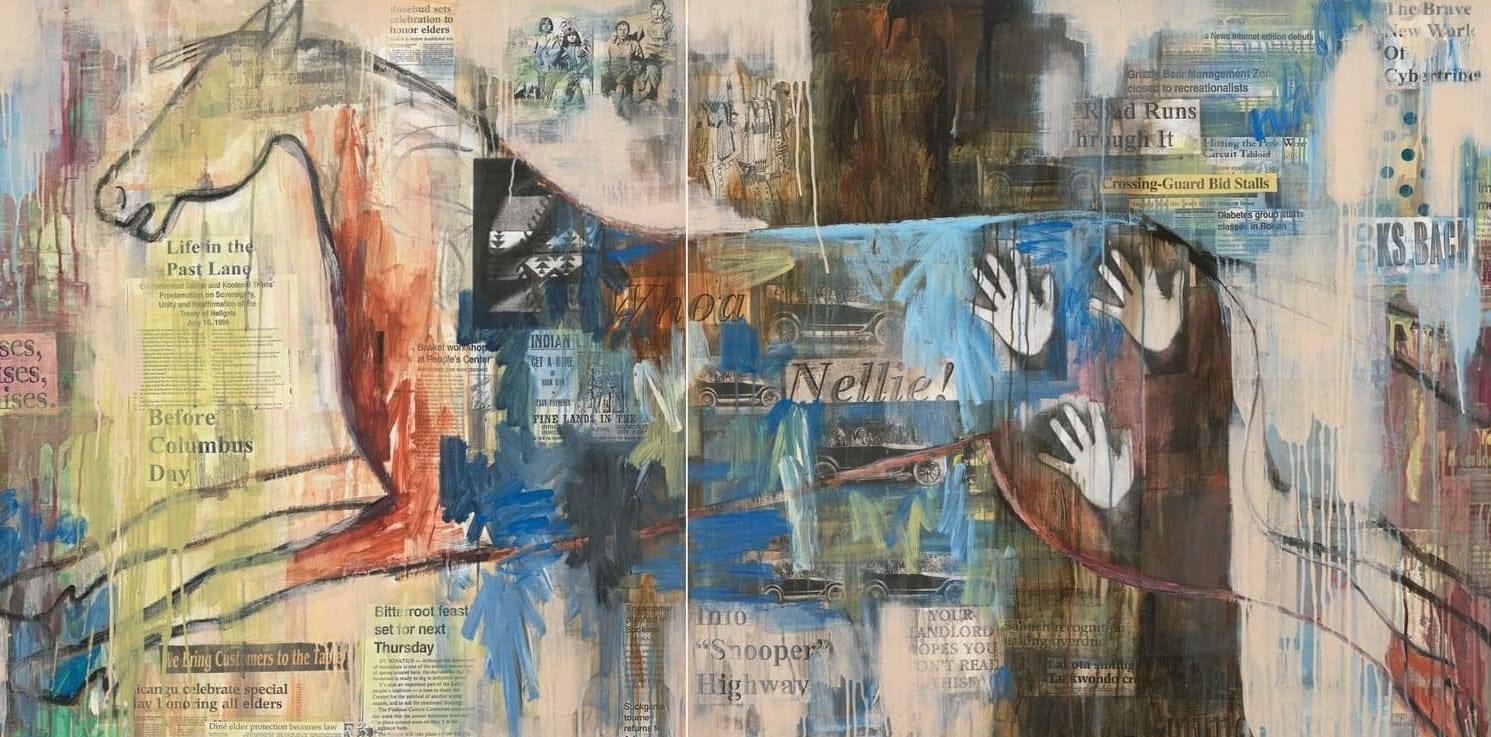
In the summer of 1983 a group of working artists in Newark, New Jersey, opened an alternative exhibition space in a downtown storefront. They called it Aljira. Thirty-five years on, with the institution now running programmes out of two buildings in the city's Military Park neighbourhood, the question of what an artist-run alternative space is actually for is back in circulation — and the answer Aljira keeps giving is one the contemporary art world has spent the past decade quietly trying to forget.
The framing most galleries default to is that the American art system runs on a private-market backbone: auctions, fairs, blue-chip primary dealers and a small number of collecting foundations. Aljira's record complicates that picture. Across more than three decades it has shown artists who went on to considerable institutional attention — Dawoud Bey, Firelei Báez, Jeffrey Gibson and others — while remaining formally subordinate to no collector, no university art department and no corporate sponsor with naming rights on the door. A retrospective assessment published this month by Hyperallergic reads the institution's longevity as evidence that artist-led organising can do work regional museums cannot, on budgets that the philanthropic establishment considers anachronistic.
What the alternative-space model actually does
Artist-led spaces in the United States have always occupied an awkward institutional position. They are not commercial galleries, because the artists who run them are not primarily trying to sell work. They are not museums, because they cannot afford conservation staff, full-time registrars or the endowment discipline that the American Alliance of Museums expects. They are something closer to a community law clinic than to a museum: a place where the constituency being served has some say over the services delivered.
That structure has practical consequences. Programming is determined partly by what the artist community itself considers urgent, rather than by what a curatorial hierarchy in another city has decided is worth a mid-career survey. The constraint is budgetary and human. The orientation is local. The audience is, in the first instance, other working artists and the immediate neighbourhood rather than the international biennial circuit.
According to Hyperallergic's account, Aljira used that structure to surface artists whose practices took gentrification, displacement and the racial politics of the American city as primary subject matter — often before the wider institutional art world had figured out a vocabulary for those subjects. The list of names that passed through the space in its first two decades functions, in retrospect, as a kind of index of socially engaged practice in the United States from the late 1980s onward.
Why Newark, and not Manhattan
The reading-room question any visitor to Aljira eventually asks is why the institution is in Newark rather than somewhere with a denser collector base. Ironbound, the city's old Portuguese neighbourhood, lies across the river from Manhattan's Lower East Side galleries. Midtown, where most of the city's art-market infrastructure sits, is a PATH-train ride that working artists cannot afford on opening nights.
The honest answer is that artist-led spaces are usually located in places where rents are still low enough that a rent-stabilised loft and a small exhibition space are both possible on a working artist's income. Newark met that test in 1983 and meets it, precariously, in 2026. The trade-off is also an opportunity: a city with less collector traffic is a city where the art conversation has to be carried by the makers, not by salesroom intermediaries.
The geographic detail matters because it situates the institution against a contemporary art market that increasingly concentrates exhibitions, capital and audiences in a handful of globally ranked cities. The argument implicit in Aljira's location is that there is interesting work being made outside the auction-house geographies, and that pretending otherwise impoverishes the standard story of late-twentieth-century American art.
Socially engaged practice and the institutions that took from it
The harder contemporary question is what happens to artists who first showed at Aljira when the larger museums, foundations and commercial galleries come calling. The standard answer inside the museum sector — and the one Hyperallergic's reporting gently complicates — is that larger institutions discover, validate and sustain work that started in artist-run spaces. The empirical record is messier. Artists frequently report that the work gets curated into a frame they did not choose, that their community context is treated as biographical colour, and that the institutional support structures do not extend to the constituencies the artists first addressed.
That tension is not unique to Aljira; it is the standing condition of socially engaged practice anywhere the larger art economy has decided it is interesting. Newark's specific version of the tension is that the city's Black cultural infrastructure was being systematically underinvested in even as the work produced inside that infrastructure was being reabsorbed into the global contemporary circuit. A 35-year institutional career, under those conditions, is not an aesthetic statement. It is an administrative one.
What is genuinely contested, and what remains uncertain
There is a more cynical reading. Some observers of the alternative-space sector argue that the small-and-decentralised model has become its own kind of prestige: a credential that artists seeking museum careers accumulate on the way up, and that institutions cultivate because it signals virtue more cheaply than paying living wages to curatorial staff. The alternative spaces, on this account, absorb the labour and absorb the risk, while the museums absorb the credit. The empirical question — whether Aljira's programming has consistently given its local Newark audience the same curatorial weight it has given national and international names — is one the sources do not resolve. Hyperallergic's assessment is admiring; an audit built on attendance records, neighbourhood surveys and programming decisions would be a heavier piece of work.
The institution's own communications and Hyperallergic's reporting do not, at any rate, claim that Aljira has solved the structural problem of who pays for artist-led organising in cities that the foundation establishment has decided to ignore. The claim is narrower and more useful: that a particular model of artist-run space, in a particular mid-size American city, has produced durable work across three and a half decades, and that the larger art economy owes it more honest accounting than it has so far been willing to deliver.
An earlier version of this article described the founding timeline imprecisely; the founding year is 1983, per the institutional history Hyperallergic cites, and not the late 1970s as circulated in some secondary accounts.