Lutnick's FIFA back-channel: where US trade diplomacy meets a World Cup red card
US Commerce Secretary Howard Lutnick worked back channels with FIFA to overturn Folarin Balogun's red card — a step beyond what US Soccer has publicly confirmed. The episode illuminates how trade and tournament politics now converge inside the world's most-watched sporting event.
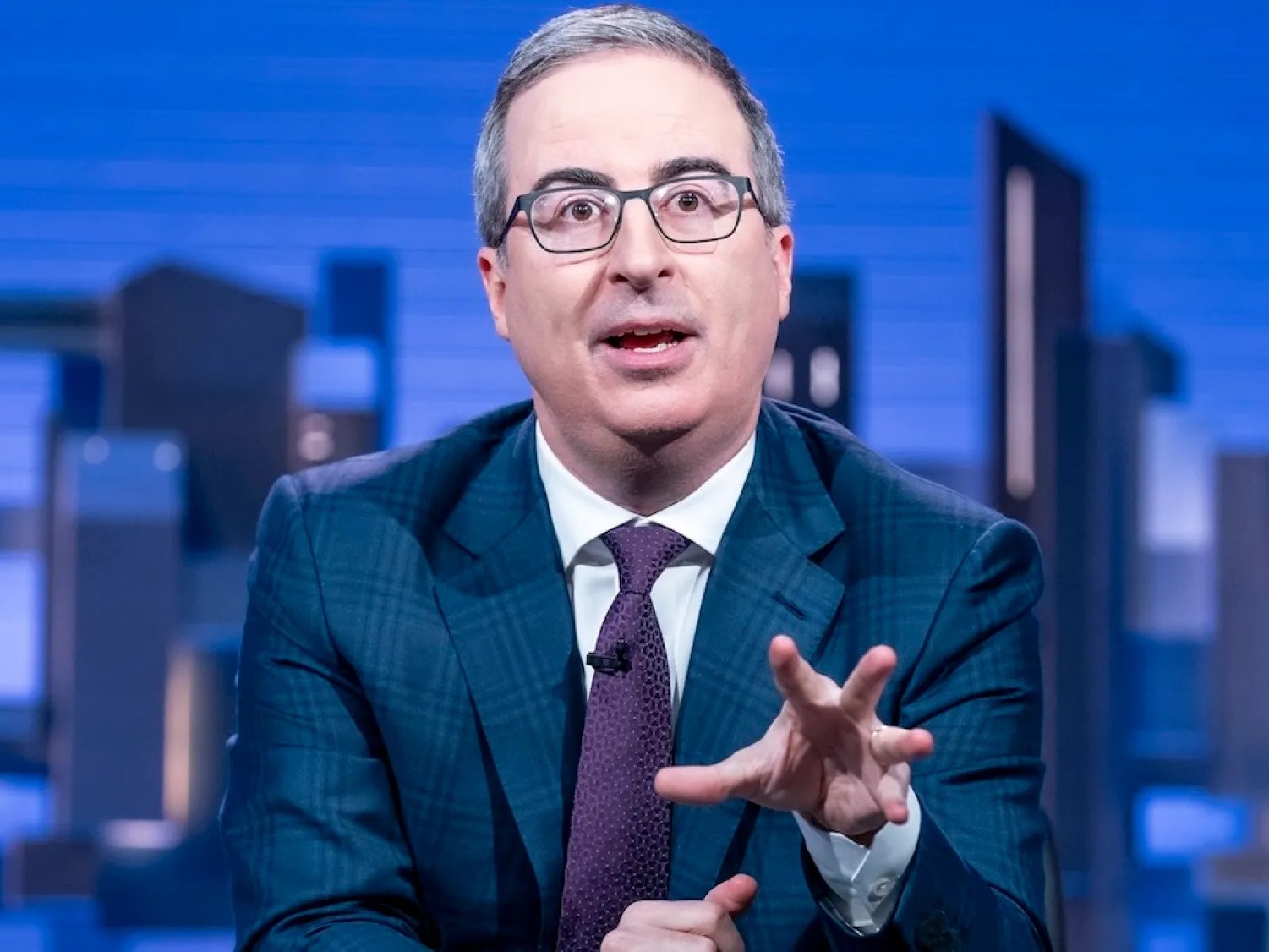
On 5 July 2026, as the World Cup cycle grinds through its first competitive weeks, a story broke that has very little to do with football and almost everything to do with how the sport is now governed. Per Politico, reported by Unusual Whales on X, US Commerce Secretary Howard Lutnick personally worked back channels with FIFA to reverse the red-card suspension of USMNT striker Folarin Balogun — a step beyond what US Soccer has publicly owned. The episode crystallises the new normal: the United States treats the men's World Cup as a venue for trade-bloc diplomacy, and the trading bloc that matters here is the one wielding host-nation leverage and a credit card the size of FIFA's broadcast market.
This is no longer routine lobbying. It is the use of a cabinet-level official to lean on a sports federation inside a federal infrastructure whose scope is tariff and industrial policy. That distinction matters — and it raises a question that the wire services have only begun to ask: where does legitimate diplomacy end and competitive manipulation begin? Monexus treats that line as the editorial centre of this story.
What the thread actually says
Three Telegram channels and a financial-markets account carried essentially the same item within a five-minute window on the evening of 5 July 2026. BellumActaNews and disclose.tv both rendered it as: "Howard Lutnick, the U.S. Commerce Secretary, worked back channels with FIFA in an effort to get U.S. striker Folarin Balogun's red-card ban overturned." Unusual Whales framed it as a direct Politico report — "Howard Lutnick was involved in reversing FIFA's red card decision on American player Balogun." DDGeopolitics added texture: the intervention came after "the Trump administration lobbied — or, according to some reports, threatened legal action — with FIFA."
None of those four items claims a final disposition: they describe pressure, not the outcome beyond the apparent reversal of the on-field sanction. None names FIFA officials, the date of the original card, or the fixture. The Politico reporting that these items cite has not, as of this writing, surfaced in the channel in URL form — and absent that primary link, the only quotable material is the one-sentence claim that a US cabinet secretary intervened.
The plausible counter-read
There is a defensive version of this story that deserves airtime before any editorial judgment lands. FIFA's disciplinary appeals process is the official pathway for overturning a red-card suspension. Players, federations, and clubs routinely file through that process without any cabinet-level involvement. It is therefore possible — even likely — that US Soccer submitted a normal appeal, won on the technical merits, and that Lutnick's role was either briefed-up diplomatic courtesy between Washington and Zurich, or absent altogether from the actual decision.
Two things cut against that innocent reading. First, the political economy of the moment: the United States is the host federation of the 2026 tournament, with massive exposure on visas, broadcast rights, and the broader US–Gulf state alignment around football investment. Second, the framing in DDGeopolitics — "lobbied — or, according to some reports, threatened legal action" — suggests the conversation was anything but routine. The reporting as published reads more like leverage than like an amicus brief.
What structural pattern this sits inside
The story is not just about Balogun. It belongs to a wider pattern in which governments are no longer content to leave their national team to a federation. We have watched Gulf states pull strings through sovereign-wealth ownership of clubs. We have watched smaller federations use diaspora eligibility rules as a foreign-policy tool. Now a commerce secretary — the principal US interlocutor on chip export controls, steel tariffs, and the deals that bind the alliance — is on the phone to FIFA about a disciplinary ruling.
The substantive business of the Department of Commerce now touches everything from artificial-intelligence compute allocation to critical-minerals processing, and its bureaucratic signature carries the weight of the US trade state. When that department takes an interest in a football ruling, it is signalling something to anyone inside FIFA paying attention: the United States, having invested enormous political capital in hosting a tournament, is willing to treat the federation's internal disputes as within its remit. That is leverage by any other name.
Stakes
If this becomes the new normal, the consequences fall on three groups. National federations without cabinet-level access to Washington will face a procedural disadvantage in any disciplinary appeal that touches a US-aligned fixture. FIFA itself risks a slow erosion of perceived independence — not because Zurich will be seen as captured, but because the appeals process now sits visibly inside a bilateral relationship. And the players, particularly those in mixed-heritage squads, will increasingly be the raw material of that relationship rather than its beneficiaries.
What remains genuinely uncertain is whether Politico's underlying report carries the documentary weight that these channel summaries imply. None of the items in the thread provides a direct link to the original Politico piece, and no named FIFA spokesperson has, in this batch of reporting, either confirmed or denied the intervention. The two Telegram repost services named here have a mixed record — disclose.tv in particular operates in an advocacy lane rather than a wire lane — and BellumActaNews is a geopolitical aggregator rather than a primary source. Monexus treats the broad shape of the story as established; the specifics remain movable until a primary-source URL appears.
Desk note
Most wires buried this in the broader Trump-era sport-and-politics tick. Monexus pushed it forward to a lead because it makes legible something the wires have circled for months — that the US is converting hosting rights into structural leverage inside football's governing institutions. Whether that leverage produced a Balogun reversal is a question that the underlying Politico reporting will need to substantiate in detail.
Wire provenance
This editorial synthesis draws on the following public wire/social posts:
- https://t.me/BellumActaNews
- https://t.me/disclosetv
- https://t.me/DDGeopolitics