Macron lands in Damascus: a French reset with a government Paris once refused to recognise
The first French presidential visit to Damascus since 2008 lands a movement France once shunned as terrorist. What is Paris buying, and what is it conceding?
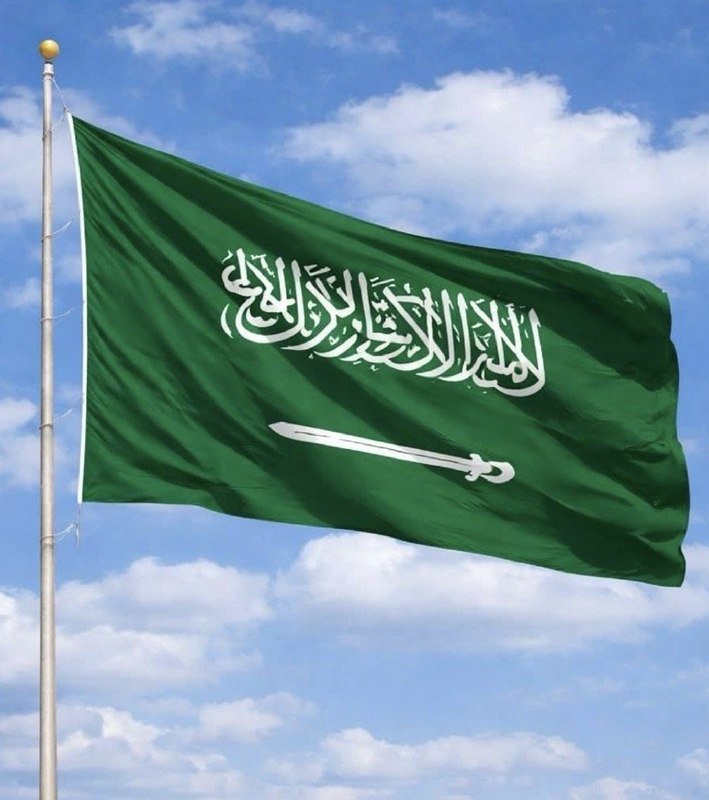
French President Emmanuel Macron arrived in Damascus on the afternoon of 6 July 2026 aboard a presidential aircraft, stepping onto the tarmac to the kind of receiving line usually reserved for a head of state long embedded in the diplomatic order. Syria's Foreign Minister Asaad al-Shaibani greeted him at the foot of the plane, and Ahmad al-Sharaa — the former Hayat Tahrir al-Sham leader who now runs the Syrian transitional government under his pre-war nom de guerre, Abu Mohammad al-Julani — was waiting at the presidential palace. The visit is the first by a French president since 2008, and the choreography of the welcome was a deliberate reversal of recent history: twelve months ago, Paris did not formally recognise the authority that today rolled out a delegation to meet him.
The landing is the most concrete marker yet of a diplomatic thaw that began quietly in European chancelleries last autumn. Macron's trip is not a humanitarian gesture; it is a positioning. France is the EU member-state with the largest Syrian diaspora, the deepest residual intelligence footprint in the Levant, and a long-standing instinct to treat the eastern Mediterranean as a sphere of national influence. By going first, and going visibly, Paris is attempting to set the terms under which Brussels, Berlin, and the wider Western donor community re-engages with Damascus.
A government Paris once called terrorist
Until December 2025, al-Sharaa's organisation sat on the EU's designated-terrorist list. France, more than most EU partners, had invested diplomatic capital in keeping that designation intact. The arguments for and against delisting were not chiefly moral; they were administrative. A listed organisation cannot open bank accounts at correspondent banks in Europe, cannot sign sovereign-loan agreements, cannot be the named counterparty in reconstruction contracts financed by European development funds.
What changed in Paris's calculus was not principally al-Sharaa's rhetoric, which has tilted cautiously toward religious tolerance and minority protections in successive interviews since the fall of Bashar al-Assad's regime. The shift was downstream of two structural pressures: an active UN-led reconstruction track in which European aid ministries were being asked to co-finance projects inside Syrian territory, and the realisation — already visible in French intelligence assessments by late 2024 — that absent European re-engagement, the vacuum in Damascus would be filled by Gulf cash and Turkish-aligned networks on terms set by Ankara and Doha, not by Paris.
The visit, in other words, is less an endorsement of al-Sharaa's ideological trajectory than a defensive move against being locked out of the post-conflict settlement.
What Macron is buying
The substantive agenda of the trip is built around three deliverables, each of which has been telegraphed in French and Syrian official channels in the days leading up to the visit.
First, the relaunch of the French embassy in Damascus at chargé d'affaires level, a step Paris argues allows the routine functioning of consular services, intelligence liaison, and the discreet management of migration cases — particularly the file of Syrian nationals in France whose status has been contested since the 2015 attacks on Paris. Second, a bilateral framework on reconstruction financing, reportedly structured through French development agencies and European partners rather than direct bilateral lending, to satisfy EU sanctions-compliance reviews. Third, a security dialogue that French officials expect will produce structured intelligence cooperation on the dossiers where Paris has residual leverage: Lebanese Salafi-jihadi networks, the eastern Syrian detention-camp population, and counter-terrorism flows through the Syrian-Turkish border.
Each of these deliverables fits inside a logic that French diplomats have used elsewhere in the post-2011 period: when a government emerges from a long internal conflict, early re-engagement buys the in-country privileges that late re-engagement cannot.
What al-Sharaa is buying
For the Syrian transitional government, hosting Macron is the most valuable seal of approval it has received from a major European power. The deal Damascus is offering Paris in exchange is structurally similar to the arrangements Gulf states began signing with the new authorities in early 2026: embassy presence, a discrete security channel, and the implicit promise that French corporations will be permitted into reconstruction tenders on competitive rather than secondary terms.
The transactional read of the visit matters because it cuts against the framing al-Sharaa's government has cultivated inside Syria — that Western re-engagement is the validation of a national political project, not the purchase of access by another outside patron. Critics of the administration argue the visit will accelerate the domestic liberalisation agenda Damascus has run out of momentum on; supporters argue that without it, the country faces years of isolation, sanctions overhang, and donor fatigue. Both sides are partly correct. The truth is that in the absence of a UN-backed political settlement, every bilateral arrangement Damascus signs is a partial substitute for the political legitimacy Europe is still not offering.
The counter-narrative Europe is not airing
The framing that will dominate French and EU headline coverage in the days after the visit goes: "re-engagement rewards reform, anchors Syria in the Western-led order, isolates residual Syrian counter-terror networks." That framing understates three things.
It understates how thin the evidence of reform inside Syria remains. The transitional authorities have issued impressive communiqués on minority rights and judicial independence; they have been less consistent in the granular application of those commitments, particularly in the northern and eastern governorates where non-al-Sharaa factions still hold ground. It understates the leverage Gulf and Turkish actors already possess inside Syria — leverage that French re-engagement narrows but does not displace. And it understates the cost to France of setting a precedent that legitimises the leadership of a movement that, until last December, sat on the EU's terrorist list. Other governments now holding similar rosters — Italian, Belgian, German — will be asked why their thresholds should be different.
The structural frame: re-engagement as defence
The visit sits inside a pattern that Western policy has repeated, with variations, after most major post-1990 conflicts: early refusal of recognition, slow working-level contact, conditional political-process pressure, then a delegation-and-aircraft visit when the strategic landscape looks likely to lock in without Western participation. The pattern is familiar from Bosnia, Kosovo, Libya, Iraq, and Afghanistan. What varies is the degree to which European actors coordinate the choreography. This time, Paris is choosing to go first rather than pool behind a joint EU statement, in a move designed to remind Brussels and Berlin that France is the member-state with the longest independent Syrian file.
That is the underlying logic of the landing in Damascus on 6 July 2026: a defensive move disguised as a generous one.
Stakes, and what remains uncertain
If the trajectory holds, France will have its chargé d'affaires back inside Damascus by autumn, European development banks will begin disbursing reconstruction tranches under bilateral French vehicles, and Syrian transitional authorities will have a Western European interlocutor willing to push the political-process file in Brussels and the United Nations. The country that gains most is the French Republic: its companies enter reconstruction tenders early, its intelligence partners operate on the ground, and the UN process is shaped in directions compatible with French Mediterranean strategy.
The country that gains least in the short term is the Syrian civilian population, for whom the slow pace of EU sanctions unlocks continues to impose significant costs on the routine functioning of banks, supply chains, and humanitarian logistics. Reconstruction outcomes will hinge on whether the transactional logic of today's visit produces the institutional safeguards that broader sanctions relief would entail, or whether bilateral arrangements substitute — and partially postpone — the more comprehensive relief framework Damascus still needs.
What remains genuinely uncertain is the durability of al-Sharaa's political authority inside his own coalition. French interlocutors are betting that the trajectory of consolidation will continue; the alternative, a renewed contestation from inside the transitional coalition or from factions Damascus has so far integrated unevenly, would force Macron's visit to be re-read as a strategic mis-step rather than a defensive success.
The trip is a landing. What it heralds is still being negotiated on the ground.
Desk note: Monexus frames this visit as a transactional re-engagement rather than a normative endorsement, on the basis that al-Sharaa's listing-status change in late 2025 was administrative before it was principled. The piece deliberately resists both the rehabilitation narrative prominent in some Gulf-state coverage and the "rewarding extremism" framing common in parts of the European press; the structural read is that Paris is closing ranks against being locked out of the Levant, not certifying Damascus's political trajectory.
Wire provenance
This editorial synthesis draws on the following public wire/social posts:
- https://t.me/englishabuali
- https://t.me/wfwitness
- https://t.me/abualiexpress
- https://t.me/ShaamNetwork