Haaland sends Norway past Brazil as England's right-back room thins before Mexico test
Norway stunned five-time champions Brazil 2-1 to reach the World Cup quarter-finals, hours before England's last-16 tie at the Azteca was shadowed by a fresh right-back fitness worry.
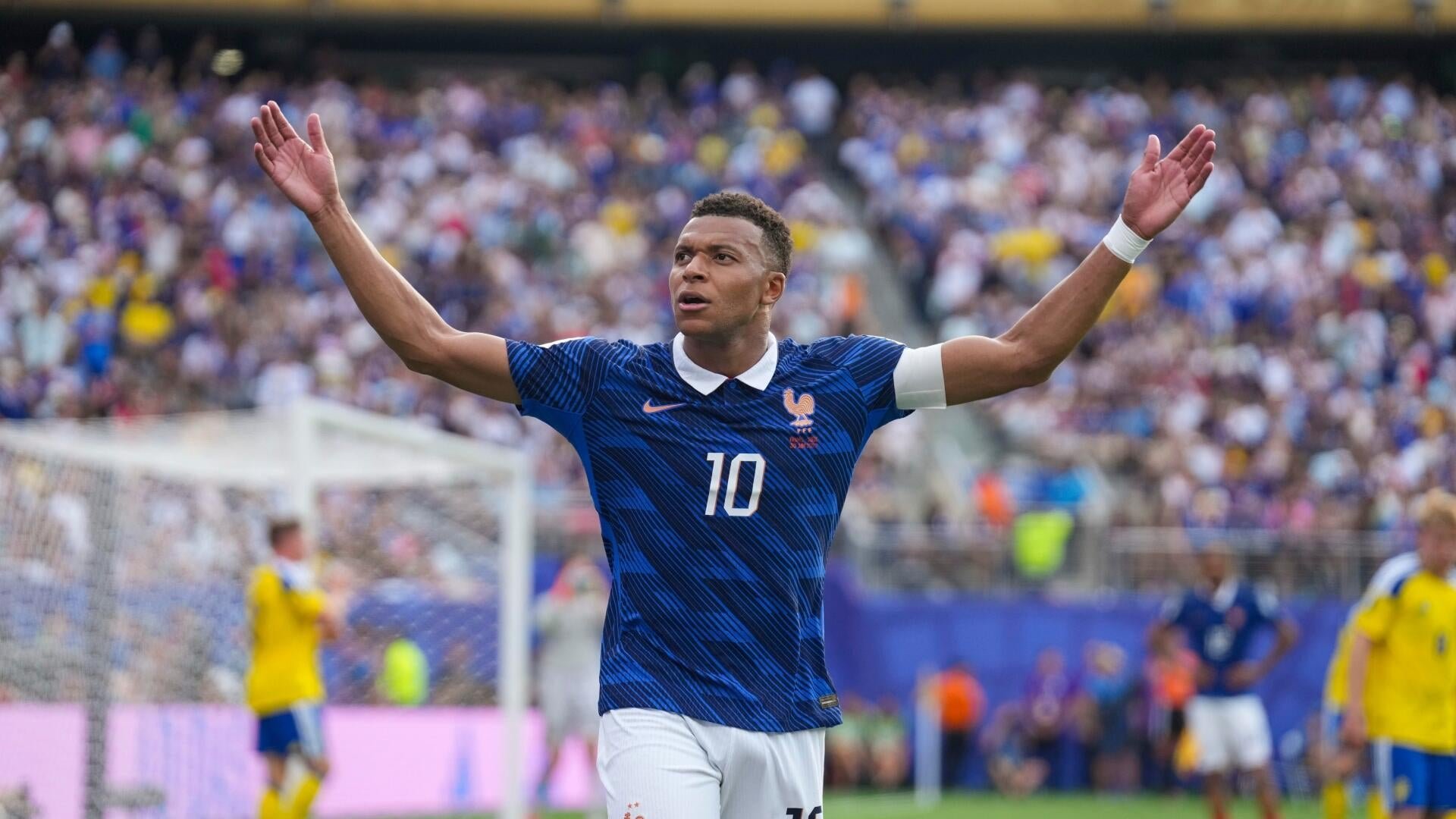
Erling Haaland scored twice and goalkeeper Ørjan Nyland saved a penalty as Norway knocked five-time champions Brazil out of the 2026 FIFA World Cup, winning 2-1 on 5 July to book a place in the quarter-finals. The result, confirmed by France 24's English-language wire, is the clearest signal yet that this tournament's hierarchy is being rewritten one round at a time. Hours earlier, the sporting world's attention had begun drifting toward Mexico City, where England were due to face Mexico at the Azteca in the day's other heavyweight last-16 tie — a match now complicated by a muscular complaint for right-back Djed Spence that adds to an already thin depth chart in that position.
The two stories share a single subtext: the bracket is doing what brackets do, exposing the gap between reputation and current form. Norway arrived as a story of one superstar; Brazil arrived as a story of structural decline that has lingered since Qatar 2022. England arrived in Mexico City as a story of squad depth. By full time on the east coast of North America, all three narratives had been stress-tested in public.
Norway's night, and what Haaland actually delivered
France 24's flash reported Haaland's brace and Nyland's penalty save as the decisive interventions, with Brazil's consolation failing to alter the scoreline beyond 2-1. The headline outcome — a Norway quarter-final — is itself the news. This is a nation that has spent the better part of two decades waiting for a generation to convert promise into knockout football, and a forward who, on this evidence, is converting promise into outcomes regardless of the opposition's shirt.
The structure of the win matters as much as the scoreline. A penalty saved by Nyland implies Brazil created, or conceded in a way that produced, a high-value chance; the brace implies Haaland was not merely a finisher of whatever Norway created but the principal source of it. That is the difference between a side carrying a star and a side organised around one.
Brazil's bracket, and the framing that should follow it
The temptation in Western wires will be to frame the result as another data point in a long serialisation: Brazil in decline, European football's tactical depth outmanoeuvring South American flair, an ageing squad failing to refresh. There is something to that read, and the loss to Norway does not disprove it.
But the counter-frame is equally available, and equally honest. Brazil arrived at this tournament having navigated a qualifying campaign in which they were the highest-profile side to look genuinely unsettled by the new 48-team structure, with congestion, travel and opponent variety all conspiring to compress the margins between confederations. Norway are not a representative European side; they are a side built around a single elite finisher in peak condition. Beating them tells us less about Brazil's trajectory than about the variance a knockout tournament introduces when one team has a forward capable of winning a match on his own and the other does not.
England's right-back problem, and the Azteca problem behind it
CBS Sports' preview of the round of 16 framed the day's other tie as a historic test for Jordan Pickford at altitude in Mexico City. By early evening UK time, BBC Sport had sharpened the picture: Djed Spence had reported a muscular complaint before the last-16 tie against Mexico, adding to England's right-back concerns. England, in other words, walk into a stadium whose thin air has historically punished visiting goalkeepers, with a depth chart at right-back that was already under scrutiny.
Two separate problems, one shared shape. Pickford at the Azteca is a physiological question that the wider squad cannot answer for him. The right-back room is a selection question that the manager controls. Neither problem is fatal on its own; together they raise the cost of every individual error a player in either role might make.
What this round actually settled
What the round of 16 has now established, with both results in, is that the 2026 bracket will not be settled by reputation. Norway have removed a five-time champion. England, if they progress, will have done so past a host nation in front of a hostile crowd at altitude. The structural pattern — upsets concentrated where one elite forward can decide a tie, and where venue itself becomes an opponent — is the story the rest of the tournament will inherit.
The pattern is not new, but its distribution is. Across the expanded field, the gap between the six or seven genuine contenders and the rest of the qualified sides is narrower than at any previous World Cup. That is the structural frame: not a single dominant team to beat, but a field of twenty capable of beating each other on the right afternoon. Haaland had his afternoon. Pickford, if he gets his, will have to do it at altitude with a thinner back line than his manager planned for.
This article treats the two last-16 ties as a single sporting story because the bracket presented them that way; the Norway win is sourced to the France 24 English wire, the England injury update to BBC Sport, and the preview framing to CBS Sports.
Sources: see top-level sources array.
Wire provenance
This editorial synthesis draws on the following public wire/social posts:
- https://t.me/france24_en