Russian strike on Kyiv brings documented toll to 18 dead as city reels from second major attack in days
Recovery teams in the Darnytskyi district pulled two more bodies from the rubble on 6 July 2026, raising the confirmed death toll from a Russian missile attack on Kyiv to 18. The strike lands amid fresh ballistic threats and deepens pressure on Ukraine's already-taxed air-defence network.
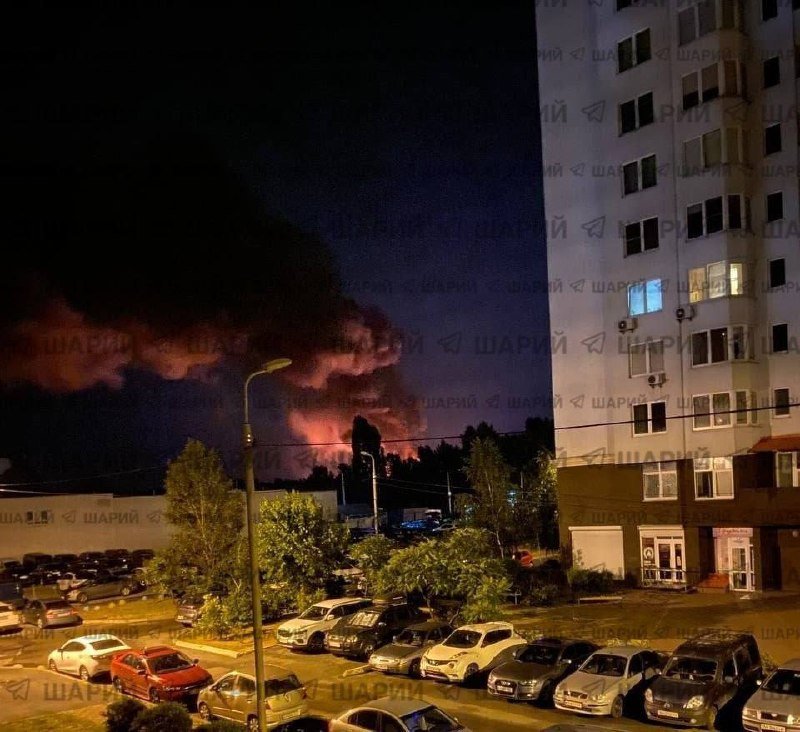
Recovery teams in the Darnytskyi district of Kyiv pulled two more bodies from the rubble late on 6 July 2026, raising the confirmed death toll from a Russian missile strike on the capital to 18, according to Ukrainian broadcaster TSN. The update, posted to the TSN Telegram channel at 22:14 UTC, followed hours of around-the-clock work by emergency services at what Ukrainian officials have described as the second major attack on the capital in a matter of days.
The strike lands inside a wider pattern that Kyiv's defenders say is becoming routine and that the country's Western allies increasingly treat as a stress test of sustained support. Russia's air force, working through the night with ballistic and cruise missiles, has hit apartment blocks, infrastructure and military-adjacent facilities across multiple Ukrainian regions in the same 24-hour window. Whether Ukraine's patchwork of Western-supplied interceptors can keep absorbing this tempo is now the central operational question of the war.
What we know about the Darnytskyi strike
The Darnytskyi district sits on the left bank of the Dnipro, a largely residential corner of Kyiv that has been hit repeatedly since the start of the full-scale invasion but rarely with the intensity recorded in the past week. According to TSN, the two additional bodies recovered on the evening of 6 July brought the documented toll from the attack to 18 dead. The broadcaster did not, in the items reviewed, give a final figure for the injured, a recurring gap in early reporting from strike scenes where triage is still underway.
Ukrainian officials have not named the precise weapon used in the Darnytskyi attack in the materials available. The pattern — high fragment count, deep penetration into a residential block, multiple bodies recovered over many hours — is consistent with the kind of ballistic or quasi-ballistic missile Russia's forces have leaned on heavily in 2026 as Ukraine's interceptor coverage of high-velocity targets has thinned. TSN's wording, "18 victims of the attack on Kyiv," speaks to a single, contained strike rather than a cumulative overnight figure.
A second wave, and a fresh ballistic warning
By early evening on 6 July, Ukraine's operational command was again telling residents across multiple oblasts, including the capital, to take cover. Operativno ZSU, the official Telegram channel of the General Staff's operational office, posted a repeat ballistic-missile threat notice at 20:02 UTC covering Kyiv and a number of regions, the second such alert of the day. The earlier notice had followed reports, posted to X at 21:15 UTC by the @sprinterpress account, of an attack on a military facility in the Kyiv region and what the account described as a "serious security situation" triggering an immediate response from the relevant authorities.
That sequence — a reported strike on a military site, the alert to civilians, then a second-wave threat notice — is the rhythm Ukrainian defenders now operate inside. Air-raid sirens and ballistic alerts have become near-constant across central and eastern Ukraine this summer. What is harder to measure is how much of the country's interception capacity has been spent in the first half of 2026, and how quickly Western resupply can rebuild magazines ahead of the autumn.
The structural problem: interceptors, not missiles, are the constraint
The immediate story is humanitarian — dead and wounded civilians in a named Kyiv district. The structural story is industrial and political. Ukraine is being attacked with relatively cheap hardware: Russian ballistic missiles, Iranian-designed Shahed-type drones, and gliding bombs released well inside Ukrainian airspace. What Ukraine needs to defeat them is expensive, slow to manufacture, and not produced inside the country at any meaningful scale.
That imbalance shapes everything else. Western pledges have moved faster than delivery on multiple interceptor types. Patriot PAC-3 rounds and modern IRIS-T-class missiles are the rate-limiting inputs in the air-defence equation; producing them takes years and is concentrated in a handful of allied factories. Russia's missile plants, by contrast, are running on a wartime cycle that has prioritised volume and tolerates the occasional failed launch. The arithmetic favours the attacker over months; the defender can hold the line only if interceptor resupply keeps up.
Stakes: what a Kyiv that cannot be defended looks like
If the Darnytskyi toll and the ballistic alerts of 6 July are a leading indicator rather than an outlier, the coming months will test Western patience as well as Ukrainian engineering. Civilian mass-casualty strikes in the capital raise the political cost of slow resupply; they also, in the logic of escalation that both Kyiv and Moscow now operate inside, harden the case for additional Ukrainian long-range strikes inside Russian territory as a means of degrading launch sites. That is a strategy with its own costs and its own technical limits.
Inside Kyiv, the practical question is shorter. Three weeks of repeated high-intensity alerts, and a confirmed 18 dead in one district, will push the government and the city administration toward further decentralised sheltering and earlier curfew hours. Both are visible signs of a capital being forced to act more like a frontline city and less like a hub.
What remains uncertain
The sources reviewed do not yet specify the exact missile type used in the Darnytskyi strike, the precise number of injured, or whether all 18 fatalities died at the scene rather than in hospital. The reported attack on a military facility in the Kyiv region, flagged by @sprinterpress, has not been confirmed by name either by the General Staff or by an identifiable Western wire in the materials available. Casualty figures from Russian missile strikes frequently rise in the days after the initial report; the 18-count should be read as a confirmed floor, not a final one. Monexus has leaned on Ukrainian official channels and TSN reporting for this dispatch and will update the ledger as wire confirmation from Kyiv-based outlets and Western allies arrives.
Wire provenance
This editorial synthesis draws on the following public wire/social posts:
- https://t.me/TSN_ua
- https://t.me/operativnoZSU/
- https://x.com/sprinterpress/status/
- https://t.me/epochtimes/