England edge Mexico in World Cup classic as Henderson's wrist injury steals the spotlight
A last-16 thriller at altitude, a prime-ministerial intervention over kick-off time, and a captain celebrating so hard he broke his own wrist.
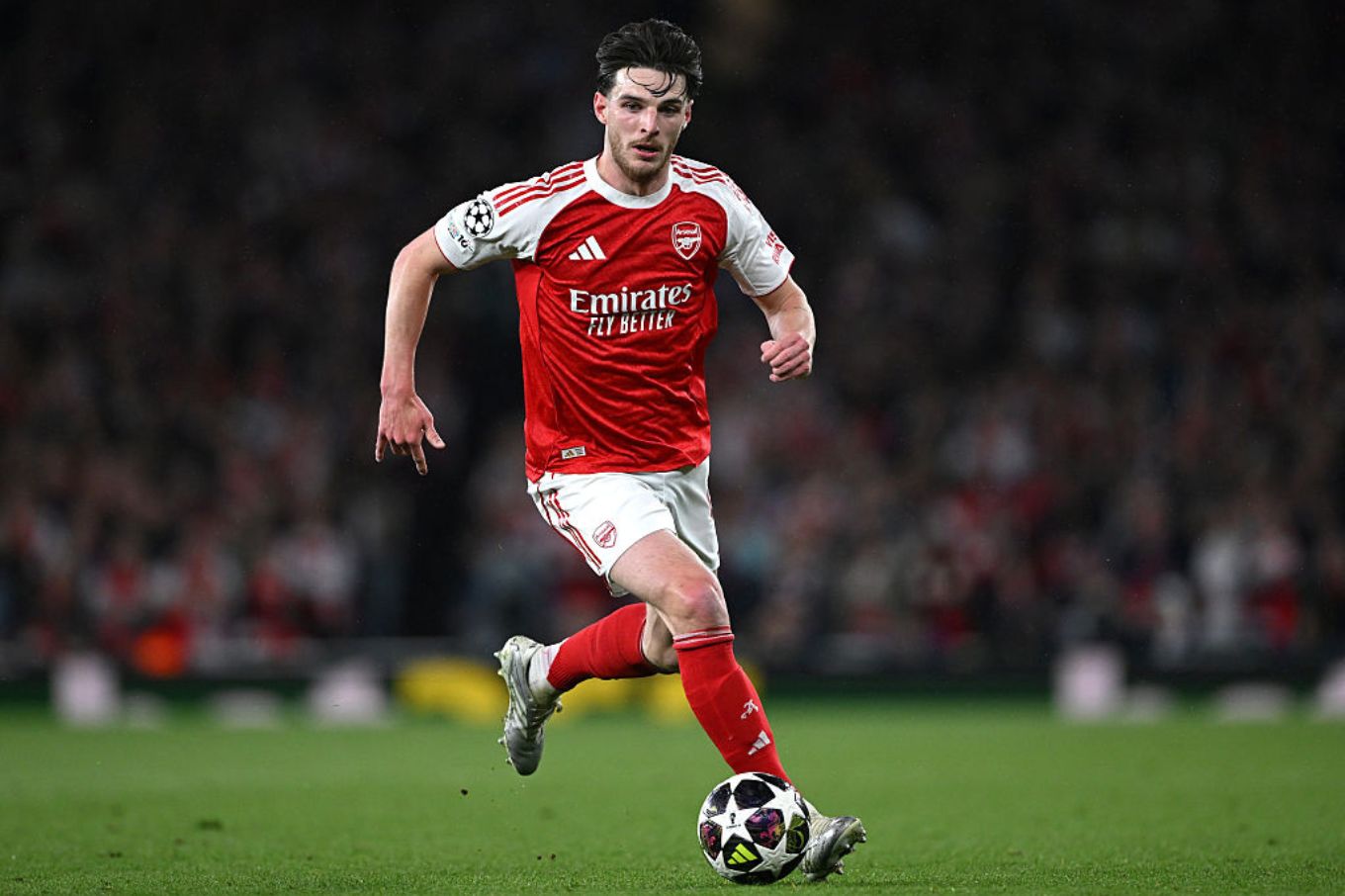
England are through to the World Cup quarter-finals, but the team's path past Mexico on 6 July 2026 will be remembered for two things as much as the result: a prime-ministerial intervention that kept the match in its scheduled evening slot, and a captain whose celebration cost him his wrist. Jordan Henderson, central to the win, suffered the injury while marking the goal that helped send England through, a detail that sits awkwardly alongside the post-match euphoria.
The bare facts are a 2-1 England victory over Mexico in the round of 16, played at altitude in front of a stadium authorities and broadcasters had been quietly preparing to empty or shift six hours earlier in the day. Both numbers — the scoreline and the kick-off time that nearly wasn't — say something about how this tournament is being staged, and how exposed even marquee fixtures remain to weather, scheduling politics, and a federation that prefers not to advertise when its hand has been forced.
A match that almost wasn't played in public
The original fixture list had England and Mexico meeting earlier in the day. According to BBC Sport reporting on 6 July 2026 at 17:12 UTC, FIFA had been set to bring the kick-off forward by six hours because of a forecast of thunderstorms. A late intervention, attributed to the British Prime Minister's office, kept the match in its evening slot. The intervention is the kind of detail that broadcasters are contractually indifferent to and that national federations treat as politically radioactive — governments do not normally admit to leaning on a football federation to preserve a TV-friendly window, and FIFA does not normally admit to having been leaned on. The fact that both leaks landed anyway tells you the prime minister's office judged the credit worth claiming, and that somebody inside FIFA judged the blame worth spreading.
The stadium itself was described in the post-match coverage as "iconic," with the late kick-off credited in player testimony for the atmosphere. In a tournament that has spent the better part of two years being justified on commercial and infrastructural grounds, the spectacle argument finally had a match to point to.
'Heart and belief' — and a captain's wrist
England's players were praised in the BBC's 6 July 2026 at 05:51 UTC match report for showing "heart and belief" in an "iconic match at an iconic stadium." The same report framed the win as a product of "pure will." That vocabulary is the standard-issue manager's lexicon after a tight knockout game, but in this case it does double duty: the team was missing control of long stretches of the second half, and the goal that decided it carried more than its share of physical cost.
Henderson, the captain, injured his wrist during the celebration of the decisive goal, according to BBC Sport reporting at 04:38 UTC on 6 July 2026. Celebrations-injury stories sit at the edge of football's lore — a player so locked in that the body absorbs the consequence of joy. The team has not yet said whether Henderson will be available for the quarter-final, and the sources do not specify the mechanism of the injury. What the sources do establish is that England's most experienced central midfielder went into the knockouts' defining moment and came out the other side diminished for it.
Norway, Brazil, and the wider round of 16
England's win was the headline, but it was not the only story from the round of 16. The Telegram channel Olympics reported on 6 July 2026 at 12:29 UTC that Norway knocked Brazil out of the tournament, framing both fixtures together as the day's signal results: "England and Mexico staged a thriller in the highlands, the Norwegians knocked out the Brazilians." A Brazilian exit at this stage is the kind of result that resets a federation's planning cycle, regardless of the politics around it. The England result, by contrast, reinforces the cycle — a senior team, under a familiar coach, navigating the bracket's most photogenic tie without breaking their own shape.
There is a counter-narrative worth naming: England spent long periods of the second half defending the edge of their own box, and the Mexico performance — including the goal and the atmosphere — suggests the margins in the quarter-final will be thinner than the scoreline suggests. The sources do not include possession, expected-goals, or shot-quality data, so this publication cannot quantify the degree to which England were fortunate. The honest read is that the result flatters the performance, and the team's medical staff will be working through the night to give Henderson a chance of selection.
What the day said about who runs this World Cup
Strip the goals out and the most telling fact of 6 July 2026 is that the British Prime Minister's office felt it had standing to weigh in on a kick-off time, and that FIFA moved. FIFA's public posture is that scheduling is a sporting and broadcasting decision taken by the tournament operations committee, not a matter for heads of government. The 6 July reporting suggests that posture is performative: when the TV slot of a marquee fixture is at risk from a forecast, the political office of one of the participating nations appears to have been the deciding voice. The federation's subsequent silence on the sequence of events is itself the confirmation.
For Mexico, the loss is the harder story. A host nation — or near-host, given the geographic distribution of venues — out of the tournament at the last-16 stage is a commercial and political outcome the federation will not enjoy explaining to sponsors. The atmosphere inside the stadium, by every account, was the loudest endorsement of the format's design intent: a country hosting football, in numbers, with skin in the game. That same format is the reason the kick-off time was politically negotiable in the first place.
Stakes and uncertainty
The quarter-finals now test whether England's win was a milestone or a reprieve. Henderson's fitness is the single most consequential open question, and the sources do not resolve it. The PM's office intervention raises a longer question about how tournament scheduling is governed — one this publication expects to surface again if any of the remaining fixtures in the bracket hit weather, security, or broadcast problems. The Brazil elimination, finally, will ricochet through South American federation politics for the rest of the cycle.
What the day's reporting does not settle is whether England controlled the match or survived it. The sources describe "heart and belief" and "pure will." They do not describe territory, possession, or chance creation. Until those numbers land, the result is a fact and the performance is still being argued over.
— Monexus framed this story around the political and medical subplots inside the scoreline. The wire coverage led on the result and the manager's vocabulary; we led on the kick-off-time leak and the captain's wrist, because both speak to who actually runs a World Cup once the ball is in play.
Wire provenance
This editorial synthesis draws on the following public wire/social posts:
- https://t.me/Olympics