U.S. warplanes hit Qeshm Island as Tehran faces oil-sanctions rollback in Strait of Hormuz flare-up
Footage circulating on 7 July 2026 shows U.S. airstrikes on Qeshm Island in the Strait of Hormuz, hours before Washington moved to revoke Iran's oil-sanctions waiver following attacks on tankers in the chokepoint.
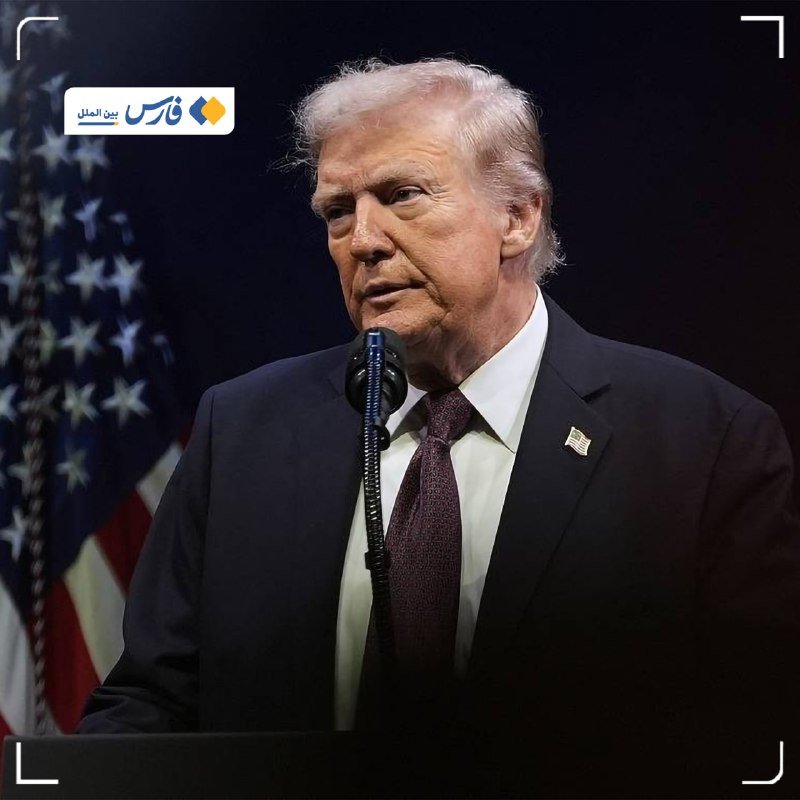
Footage circulating on the night of 7 July 2026 from two open-source channels — the conflict-monitoring account IntelSlava and the mapping account AMK_Mapping — shows what the channels describe as heavy U.S. aerial bombardment of Qeshm Island, the Iranian landmass that sits astride the southern approach to the Strait of Hormuz. A third feed, the on-the-ground channel wfwitness, posted clips of strikes near the waterway shortly before the airspace over the island lit up. The clips, posted within roughly twenty minutes of one another between 22:28 and 22:50 UTC, do not yet carry official attribution, casualty figures, or a target list, but they line up with two separate strands of reporting that landed on the same evening: an Iranian-aligned account of attacks on commercial shipping in the strait, and a U.S. policy decision, reported by an independent correspondent on X, to withdraw the sanctions waiver that has, until now, let a defined set of buyers keep taking Iranian crude.
The combined picture is the sharpest single escalation in the Gulf since the early months of the war in Gaza, and it has arrived with the kind of policy wrapper that turns tactical bombing into strategic signalling: the United States has reportedly decided to lift the carve-out that has kept Iranian barrels flowing into a narrower market, choosing energy leverage at the precise moment its aircraft are operating over one of the world's most sensitive waterways.
What was struck, and where
Qeshm is not a back channel. The island is Iran's largest in the Persian Gulf, roughly 1,500 square kilometres of strategically placed terrain at the mouth of the Strait, and home to a long-running free-trade zone, a substantial civilian population, and — critically, in the geography of sanctions evasion — port facilities that have, in past episodes, been linked to ship-to-ship transfers of Iranian crude. Striking there is not the same proposition as striking a Revolutionary Guards installation deep inland. It is a strike in plain sight, within sight of the commercial lanes that move a large share of the world's seaborne oil. The IntelSlava and AMK_Mapping footage, both published in the 22:49 to 22:50 UTC window, shows repeated detonations across what appears to be the island's western side. Neither channel has published coordinates; neither released geolocated stills alongside the video. wfwitness's clip, posted at 22:28 UTC, shows detonations closer to the shipping channel itself. The triangulation of timing — ground footage in the strait first, then aerial footage of the island minutes later — is consistent with sequential strikes rather than a single salvo.
What the footage does not settle: who was targeted. Iran's armed forces maintain installations on Qeshm, including elements associated with the naval branch of the Islamic Revolutionary Guard Corps. Civilian infrastructure is co-located. Without a target list from the U.S. Central Command, which has not yet issued a statement on the evening's events, the strikes cannot be characterised as militarily narrow from the open-source record alone.
The sanctions layer underneath the bombs
The second thread of the evening is the policy one. At 22:32 UTC, the independent Iran correspondent known on X as Sprinter Press reported that the Trump administration is withdrawing the sanctions waiver for Iran's oil production and sales, citing attacks on tankers in the Strait of Hormuz as the trigger. The waiver, originally issued as a carve-out from broader oil sanctions, has functioned as the financial pressure-relief valve in U.S. Iran policy: in exchange for limits on enrichment and on proxy attacks, a defined group of buyers — most prominently Chinese refiners, with smaller flows to Turkish and Indian end-users — kept their lines of credit open. Pulling it does not by itself stop Iranian oil reaching the market. Iranian crude is already heavily discounted, and a sanctions waiver is, properly speaking, a permission slip for non-Iranian banks and insurers to handle the transactions. Without it, the same barrels move through longer, slower, more expensive routes — but they still move, until enforcement capacity tells them not to. What the revocation does, decisively, is convert a quiet arrangement into a public one. It tells every major buyer that, as of this week, they are choosing a side in a row between Washington and Tehran.
The timing matters. Strikes on Qeshm and a withdrawal of the oil waiver, on the same evening, point in the same direction. They amount to a decision that the prior policy of calibrated pressure — maximum pressure in name, structured carve-out in practice — is no longer the operating theory. The replacement operating theory, on the evidence so far, is two-pronged: kinetic action against infrastructure used to project force in the strait, and economic isolation against the revenue that pays for that projection.
The Iranian calculation
Tehran has, in previous rounds of this contest, absorbed U.S. pressure by routing oil through shadow fleets, leaning on Chinese refiners who operate under waivers of their own, and using reciprocal escalations — seizures of commercial tankers, harassment of shipping in the strait — to draw down Washington's appetite for further action. The shipping attacks cited by the Sprinter Press readout as the trigger for the waiver revocation sit squarely inside that playbook. Iran has reason to believe that the United States is asking for a fight it does not want: the strait carries roughly a fifth of global seaborne oil, and any sustained disruption is a price shock by definition. Tehran's leverage is the inverse of Washington's. Where Washington can strike Qeshm, Tehran can strike chokepoint economics — and a tanker seizure in a narrow waterway produces insurance and freight rates that read all the way down to European petrol pumps within days.
The Iranian counter-framing, when it lands, will likely argue that the strikes are an illegal act of aggression against Iranian territory under the cover of an artificially induced tanker crisis. That account is structurally available whether or not Iran carried out the specific attacks cited in the U.S. decision. The harder geopolitical question — whether Beijing, the largest single residual buyer of Iranian crude, treats the waiver's revocation as a problem to absorb or a problem to answer — will determine the actual bite of the sanctions move. China has, in past episodes, kept the barrels moving through state-linked independent refiners; whether it does so again depends on the price of being seen to defy Washington at the moment American aircraft are visibly active over the Gulf.
What is still unverified
The open-source record on the evening of 7 July is rich on imagery and thin on official confirmation. Neither U.S. Central Command nor the Iranian armed forces have issued statements verifiable through wire reporting at the time of writing. The target set on Qeshm has not been disclosed. Casualty figures have not been published by either side. Iran's Ministry of Foreign Affairs had not, as of the last available posts on the channels, characterised the strikes. The reporting that the United States is withdrawing the oil-sanctions waiver is, at this point, a single-source claim from a non-institutional account on X; the major wires have not, on this reading, yet matched it. The pieces fit together, but the picture is not, yet, corroborated by anything that can be checked against a government spokesperson or a court filing. Monexus will update this article when official attributions land.
The structural question is older than the evening's events. A U.S. policy that combines direct strikes on Iranian territory with the revocation of the oil waiver is, in plain terms, a decision to treat the Gulf as a theatre where the United States sets the terms. The Iranian counter-strategy has, for the better part of a decade, been to make the cost of doing so high enough that Washington chooses not to. Whether that bargain still holds is the question that the next 72 hours — the duration of any insurance shock in the strait, the time it takes a major Asian buyer to issue a public statement on new sanctions exposure — will begin to answer.
Desk note: Monexus has relied on three open-source channels and one non-institutional X account for this first read. Where the Western wire and the open-source record diverge on attribution or scale, this article flags the divergence; where only the open-source record exists, this article says so.
Wire provenance
This editorial synthesis draws on the following public wire/social posts:
- https://t.me/IntelSlava
- https://t.me/AMK_Mapping
- https://t.me/wfwitness