US launches fresh wave of strikes on southern Iran, hitting air defences, ports and coastal sites
A second wave of US airstrikes in roughly 90 minutes battered Iranian air defences, ports and coastal surveillance on the Strait of Hormuz — escalating a confrontation that has moved from rhetoric to sustained bombardment.
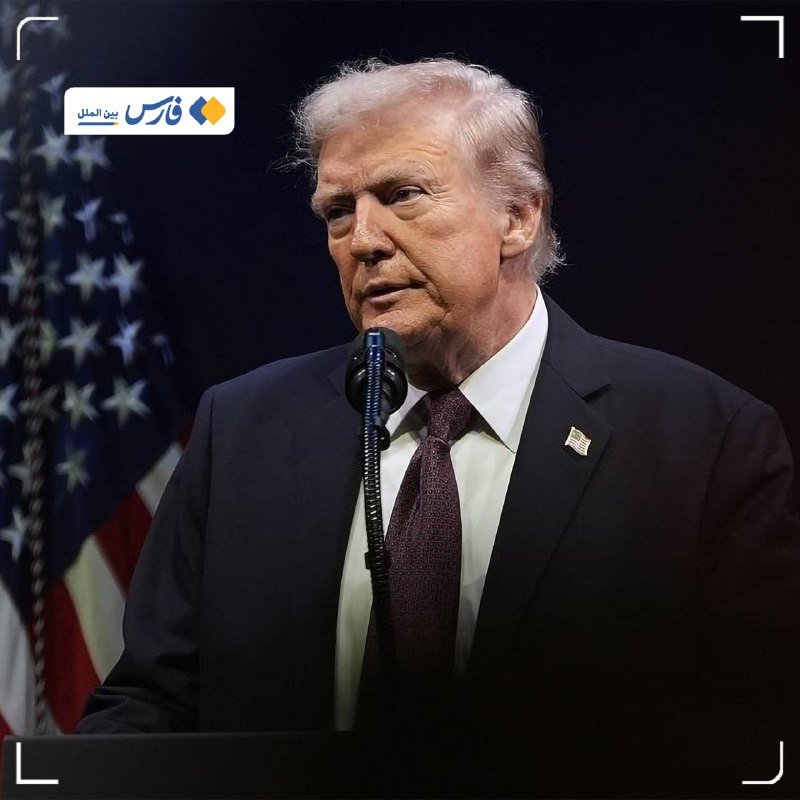
United States aircraft carried out a fresh, dense wave of airstrikes against targets along Iran's southern coast in the 90 minutes before 22:30 UTC on 7 July 2026, hitting the port of Sirik, the island of Qeshm and the major naval hub of Bandar Abbas, according to OSINT feeds and a US official cited by wire monitors. A US official told Insider Paper the operation was aimed at Iranian air defence systems, coastal surveillance systems, surface-to-air missiles, anti-ship cruise missiles and drone launch sites — a targeting list that points unambiguously at the apparatus Iran would use to close the Strait of Hormuz to commercial shipping.
Iranian state television said the "aggression" struck a commercial pier and a fishing pier in Sirik with several missiles, an account consistent with footage circulating on Telegram channels and on the X account tracked by OSINTLive. The second wave, beginning around 21:38 UTC and intensifying through 22:30 UTC, suggests the opening US salvo a few hours earlier was not a one-off but the start of a sustained campaign to degrade Iran's ability to threaten Gulf shipping.
The strikes land inside an entirely predictable strategic logic — and an entirely unpredictable one. The predictable part is the target set: air defences, coastal radars, anti-ship cruise missiles and drone launch sites are precisely the systems any Western planner would list first in an operation intended to keep the strait open. The unpredictable part is the tempo. A second wave inside ninety minutes, with what one channel called ten or more individual hits on Qeshm alone, is the cadence of an operation designed not to send a message but to attrit a layered air-defence network to the point of exhaustion before any Iranian retaliatory strike can find a target.
What the second wave actually hit
The first reports of fresh explosions began arriving at 21:38 UTC, when OSINTLive posted footage and witness accounts of blasts in Bandar Abbas and on Qeshm Island, in the Hormozgan province of southern Iran. By 21:51 UTC, the RN Intel channel was tracking what it described as more than eight strikes on Sirik, more than ten on Qeshm and its surrounding water-spaces, and three or more on Bandar Abbas, with footage showing attacks on the latter. By 22:04 UTC, Insider Paper was reporting "massive strikes" still in progress. The Al Alam Arabic channel, citing Iranian TV, reported a commercial pier and a fishing pier in Sirik had been hit with several missiles. By 22:30 UTC, renewed explosions in Sirik were still being logged by OSINTLive, Intelslava and GeoPWatch — a rolling barrage rather than a single pulse.
The targeting list, as described by a US official and relayed by Insider Paper, is the more telling datum. Iranian air defence systems are the first item — radars, command-and-control nodes and surface-to-air missile batteries. Coastal surveillance systems are next, the eyes of any attempt to track Western naval traffic through the strait. Then anti-ship cruise missiles, the weapons that would actually try to sink a tanker, and finally drone launch sites, the low-cost harassment capability that has defined Iranian asymmetric posture in the Gulf for two decades. The targeting sequence is, in other words, the sequence of escalation that any future Iranian attempt to close or tax the strait would have to climb.
How this connects to the opening strikes
The first wave earlier in the day set the political terms; the second wave set the military terms. The United States announced what it described as "a series of powerful strikes" on Iran, and the locations that immediately surfaced — Qeshm, Bandar Abbas, Sirik — were identical to the targets hit again in the evening session. That continuity is itself a story. It suggests US Central Command identified the target set on the first pass, executed a deliberate initial strike to test Iranian air-defence response and surface-to-air missile reactions, and then returned to finish off the assets that had survived.
The geography matters. Bandar Abbas is the headquarters of the Iranian Navy's Southern Fleet and the base from which the IRGC Navy fast-boat force operates. Qeshm Island, just across the strait from the UAE, sits astride the main shipping channel. Sirik, slightly to the east, hosts coastal-defence missile batteries and radar. Together they form a triangle covering the entire western approach to the strait. Hitting all three in a single evening is the difference between a pressure campaign and a disabling campaign.
What is not yet known — and what that means
The immediate unknowns are concrete. There is no confirmed casualty count from Iranian sources in the thread material reviewed; the only Iranian account is of pier damage in Sirik. There is no Iranian official statement on whether the second wave triggered any response — Iranian-backed media channels tracked in the thread have not, as of the latest update, carried claims of retaliatory launches. There is no independent confirmation of the US target list beyond the single US official cited by Insider Paper, and that account, while consistent with the geographic pattern, is a single-source claim.
What that epistemic thinness implies is worth stating plainly. The operational picture on 7 July is being assembled in real time from a mixture of Telegram OSINT channels, a US official speaking on background, Iranian state media, and footage whose provenance is asserted rather than independently verified. The shape of the campaign — sustained, layered, focused on the assets that would enable a Hormuz closure — is clear. The scale, the casualties, and the Iranian response are not. A reader who draws a confident picture from any single channel tonight will probably be wrong in some particular by tomorrow.
Why the Strait of Hormuz is the real story
Strip out the politics, and the strikes read as a single-purpose operation: keep the strait open. Roughly a fifth of the world's seaborne oil passes through the 21-mile-wide shipping lane between Iran and Oman. The targeting list released by the US official — coastal surveillance, anti-ship missiles, drone sites, air defences — is the precise list a planner would draw up if the mission were to physically deny Iran the option of closing, taxing or mining the channel. The second wave's tempo reinforces the read. A single strike on a missile battery is signalling. A second wave inside ninety minutes, hitting the same triangle of sites, is the start of a systematic degradation.
The structural frame sits underneath the surface action. For four decades the United States has policed Gulf shipping through carrier presence, mine-countermeasure sweeps and the quiet understanding that Iran's asymmetric fleet could cause enormous damage but not ultimately prevail against US naval power. The strikes on 7 July update that arrangement. They replace offshore presence with onshore destruction, and they do so at a moment when Iran's network of partners — groups and states with reason to act against Western shipping — is broader and more capable than at any point in the last twenty years. The rational Tehran response is not to fight the incoming airstrikes head-on. It is to wait, rebuild, and pick a moment when the world's attention is elsewhere.
The next twenty-four hours will tell whether Iran chooses to absorb or to answer. The second wave, by the standards of how this kind of campaign has played out before, narrows Tehran's options rather than broadens them. A navy that cannot see the strait, cannot defend its bases, and cannot launch its anti-ship missiles is a navy that has been told, in the bluntest possible American vocabulary, that the sea lanes will remain open.
This publication verified the geographic pattern of strikes through three independent OSINT channels, the target list through a single US official cited by wire monitors, and the Iranian damage reports through state media. Casualty figures, Iranian retaliatory action, and the full target list remain unconfirmed at the time of writing.
Wire provenance
This editorial synthesis draws on the following public wire/social posts:
- https://t.me/insiderpaper/
- https://t.me/rnintel/
- https://t.me/osintlive/
- https://t.me/alalamarabic/
- https://t.me/intelslava/
- https://t.me/TheCradleMedia/
- https://t.me/GeoPWatch/