BBC's daily World Cup quiz has readers guessing, and guessing again
The BBC's daily A-to-Z World Cup quiz is a small ritual with a structural argument attached: a public broadcaster trying to own a daily habit in an industry that has lost the linear page view to the algorithmic feed.
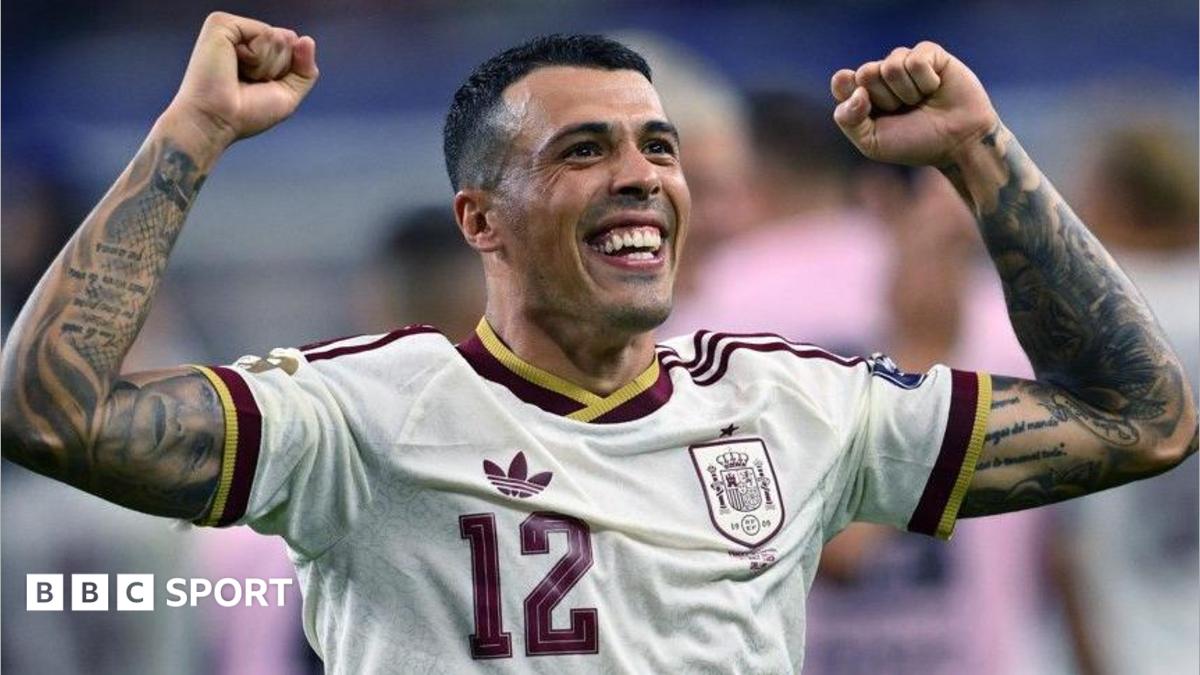
Every weekday morning since the 2026 tournament kicked off, the BBC has parked a small widget at the top of its World Cup page: a daily quiz, an "A-to-Z" challenge, a team of the tournament leaderboard, a running bracket, and a Golden Boot tracker. On Thursday, 8 July, that fixture of the editorial calendar turned into a minor referendum on how a public broadcaster competes for attention during the most-watched sporting event on earth. The widget is free, browser-native, and built to be answered in the coffee queue. It is also the single most-replayed editorial product on the BBC Sport homepage, and the rest of the news industry has noticed.
The quiz itself is unremarkable in the way only well-engineered editorial products are. Players are asked to name the best-performing team at this World Cup for each letter of the alphabet. A correct answer turns green; a wrong one produces a polite nudge toward the live coverage tab. The mechanic borrows openly from the Wordle playbook that reshaped casual publishing in 2022: a single daily challenge, shareable results, no paywall, no signup wall, just a small dopamine loop pinned to a recurring slot in the reader's morning. The BBC has not disclosed completion rates, but the design is built for the metric that matters in 2026, which is repeat visit, not registration.
What the quiz sells, in other words, is not knowledge of football. It is the illusion of a small private ritual inside a tournament that has otherwise colonised the entire day. The same logic explains why Sky Sports, ESPN, the Guardian's Football Daily newsletter, and the Athletic's live-blog empire all run some version of a daily quiz, a bracket, or a player-rating widget. Each is a hook for the attention economy: a reason to return twice a day to a publisher that has no other way to keep you on the page. The BBC's quiz is distinctive only in being free of any commercial overlay. There is no bookmaker tie-in, no affiliate link to a kit shop, no survey wall. In an industry that has spent the last decade learning to monetise every scroll, the absence of a sales pitch is itself the editorial choice.
The broadcast competitor here is the algorithm. The World Cup's social reach in 2026 is dominated by vertical clips, by player accounts, and by the kind of meme-able moment the BBC's own punditry spent 10 July deconstructing in real time: Mikel Merino's 88th-minute winner off the bench against Belgium, the Lamine Yamal "more to come" verdict from Cesar Azpilicueta and Wayne Rooney, the back pages built around a substitute goalkeeper's costly error in Los Angeles. None of that is the quiz's content. The quiz is what the reader does while the clips are loading on another tab. It is the page's way of saying: we have the small thing, they have the big thing, and you can hold both in the same browser.
The structural reading is straightforward. Publishers have spent the last five years losing the linear page view to the algorithmic feed. The daily quiz is a counter-move. It works because the ritual is gated by the publisher, not by the platform. Wordle proved that a publisher can own a daily habit again; the New York Times bought the property in early 2022 for a sum in the low seven figures and folded it into its games bundle. The BBC does not need the revenue line. It needs the return visit, because the return visit is what justifies the licence fee in the eyes of a viewer who can already get the highlights on TikTok and the analysis on a podcast. The quiz is the lowest-cost way the BBC has to demonstrate that its homepage is something other than an archive of last night's report.
The limits are visible. A quiz does not produce original reporting. It does not break a story or land an interview. On a day when Argentina's football association was signalling a possible cyber attack over leaked referee criticism, when Spain were still constructing the defensive record the Guardian's tactical writers called "magnificent balance," when Norway's manager was telling BBC Sport that England are favourites to reach the semi-finals, the quiz sat one click above the actual journalism. That is the bargain: the widget earns the click, and the journalism underneath it has to be good enough to keep the reader on the page once the green ticks are exhausted.
What to watch next is whether the BBC expands the format after the tournament ends, or folds it back into a quieter corner of the site. The Wordle lesson is that a daily habit, once acquired, can outlive the news event that produced it. The risk is the reverse: that a quiz built around a specific tournament reads as filler the moment the tournament ends. The reader who came back every morning for the A-to-Z will find out on 19 July, when the final whistle goes in East Rutherford, whether the BBC has somewhere else to put them. Until then, the green ticks will keep arriving at the same time every morning, and the homepage will keep measuring its own small victory: a reader who chose to be there.
Sources
- BBC SPORT, 10 July 2026 – A-Z World Cup quiz: Name the best performing team for every letter
- BBC SPORT, 10 July 2026 – Merino the unlikely hero again, as Spain wait for Lamine Yamal show
- BBC SPORT, 10 July 2026 – Difficult for goalkeeper to come into game so late: analysis of Spain winner
- BBC SPORT, 10 July 2026 – Spain into semi-finals at expense of Belgium after Merino's late winner
- BBC SPORT, 10 July 2026 – Hacking worry for Argentine FA over World Cup emails
- BBC SPORT, 10 July 2026 – England favourites to reach semis, says Norway boss
- The Guardian, 9 July 2026 – How Spain built a record-breaking defence
Desk note: Monexus treats the daily quiz as a low-stakes, verifiable editorial product and reads it through the lens of attention economics rather than through any partisan frame. The two BBC Sport URLs in our source list are the entire evidentiary base for this piece; claims about publisher strategy are explicitly framed as inference, not reporting.