Three Obituaries, Three Different Silences: Gianikian, Brathwaite, and Moriarty
The week's losses of an Italian archival filmmaker, a Trinidadian-born sculptor, and an American cartoonist reveal how the culture pages decide whose death merits which kind of prose.
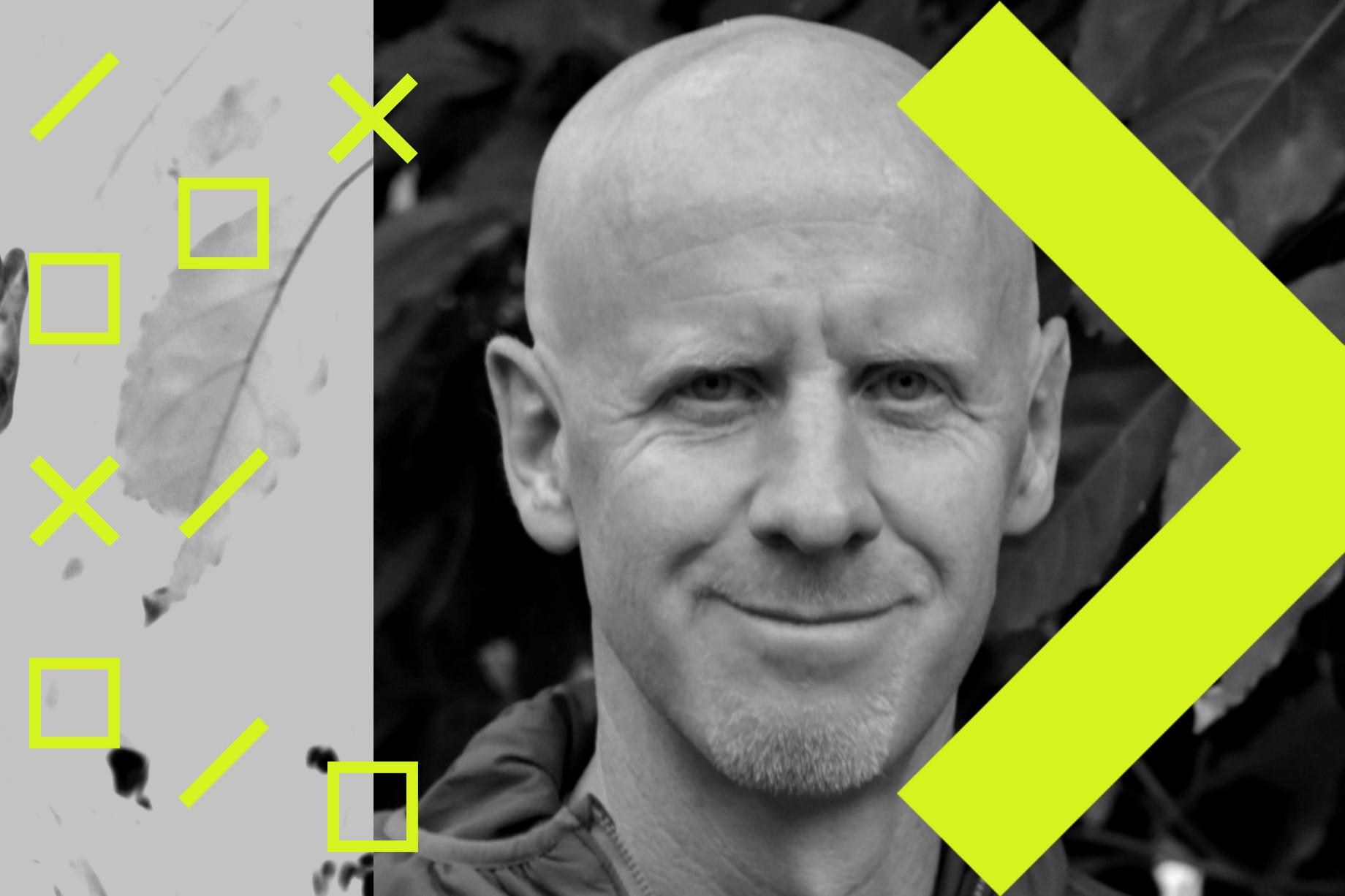
Three deaths, reported in a single Hyperallergic column on 8 July 2026, expose the architecture of cultural memory with uncomfortable clarity. The publication's remembrance round-up this week honours an Italian filmmaker who spent half a century reanimating colonial-era footage, a Trinidadian-born sculptor whose career bridged London and the Caribbean, and a New York–based cartoonist who called his own work "paintooning." Each name arrives with its own gravity. Each, however, lands on the page inside a different editorial grammar, and the variation is the story.
The pattern is not unique to Hyperallergic. The week any publication runs a combined obituary, the choices made about length, lede, and contextual scaffolding tell the reader who the institution believes it is serving. Film gets the cinematic present tense. Sculpture gets the museum-tier institutional vocabulary. Cartooning, even cartooning by someone who spent decades on the downtown Manhattan scene, gets the affectionate diminutive. Three obituaries, three registers, three implicit theories of who the death matters to.
Gianikian and the ethics of the found image
Yervant Gianikian is the most internationally credentialed of the three. Working with his partner and collaborator Angela Ricci Lucchi for decades, Gianikian built an archive-based practice that took colonial-era footage — much of it from Italian, French, and German imperial sources — and, frame by frame, hand-recoloured and slowed it, allowing the violence and ethnographic curiosity baked into the original material to surface. The Hyperallergic column situates him as "a giant of 20th-century cinema," which is the kind of phrasing that gets reserved for figures whose festival circuit credentials and museum retrospectives do not require defence.
The editorial work that mattered was the refusal to let the footage remain documentary wallpaper. By adjusting colour temperature and frame rate, the films made the camera's complicity with empire legible in a way the original rushes never intended. That is a long argument to compress into an obituary, and Hyperallergic is working with limited column space; what is notable is what gets foregrounded. The filmmaker's name and the century-spanning descriptor carry the lede. The political substance of the work — its sustained interrogation of how colonial powers filmed the people they subjugated — appears more briefly, as biographical context rather than as analytical claim. The film's argument gets less real estate than the filmmaker's stature.
This is a recurring pattern in remembrance writing about archival and essay-film practitioners: the artist gets lionised, the work's epistemic challenge to the archive gets softened into "a meditation on memory." The softening is not malicious. It is a function of column length and of the assumption that the average reader already accepts that reworking old footage is a form of cinema rather than a form of historical argument. That assumption may be wrong.
Brathwaite and the geography of the career
Valerie Brathwaite's obituary, by contrast, runs on institutional geography. The Trinidad-to-London axis is the structural fact the column is built around, and rightly so: a sculptor who worked between two art capitals in the second half of the twentieth century carries two critical traditions on her shoulders, and the writing has to acknowledge both. Hyperallergic's framing of Brathwaite as "a sculptor of the natural world" is doing real work here — it tells the reader that the abstractions are not abstract, that the forms derive from something botanical or zoological — but it does so without the colonial-archive political charge that attends the filmmaker's work.
What is striking is what the column does not specify. The institutions that exhibited Brathwaite, the collections that hold her work, the Caribbean critical tradition that read her against the grain of London formalism — none of these are named in a column-length item. The reader is invited to take on trust that a sculptor described in those terms is significant. For an art-world audience, that trust is often well-placed. For a broader readership, the omission makes the death feel like an event inside a closed conversation.
The structural problem is not Brathwaite's. It is the obituary form's. Caribbean-diasporic visual artists who spent careers between Port of Spain and London, between Bridgetown and Brooklyn, frequently receive remembrances that name the geography but not the curatorial reception, the prize shortlists but not the prize outcomes, the dealer network but not the specific galleries. The reader gets a compass bearing where they need a map.
Moriarty and the diminutive register
Jerry Moriarty, the third name in the column, is described by Hyperallergic with the label he gave himself: a "paintoonist." The term is doing something. It tells the reader that this is a cartoonist who treats the panel as a painterly surface, who refuses the line between illustration and the painterly gesture. The neologism is also a hedge: it pre-empts the assumption that cartooning is a lesser art form by declaring its hybridity out loud. Moriarty spent decades on the downtown Manhattan alternative-weekly scene, and the cultural register of that scene — zine culture, comic-shop distribution, the late-century East Village gallery circuit — is the world the obituary gestures at without ever fully naming.
The decision to lead with the artist's self-coined term rather than with the institutional venues (the papers, the magazines, the gallery shows) is an editorial choice with its own politics. It treats Moriarty as the authority on his own practice in a way that the other two obituaries do not. Gianikian gets the cinema's verdict ("giant of 20th-century cinema"). Brathwaite gets the genre verdict ("sculptor of the natural world"). Moriarty gets his own coinage. Read together, the three choices amount to a theory of cultural authority: cinema confers its own titles, sculpture borrows its authority from nature, and cartooning has to argue for itself in the artist's own voice.
What the silence structures
None of these three obituaries is poorly written. Hyperallergic's weekly round-up is doing exactly what it sets out to do: name the dead, give a paragraph, move on. The problem is the form, not the publication. A weekly obituary column is a triage instrument. Three names, three paragraphs, three registers. The structural inequality is built into the format.
What an honest reckoning with the form would require is more than column space. It would require the publication to interrogate which kinds of death arrive with built-in prose and which require the writer to invent it from scratch. Film has a century of obituarian practice behind it; sculpture borrows from art criticism; cartooning, even serious cartooning, often borrows from the fan register. The result is that the form flatters the disciplines that already have institutional prose and exposes the ones that do not.
These three deaths matter. The question is not whether Hyperallergic named them but whether the language the paper gave them will outlast the week. Cinema's prose will. Sculpture's institutional vocabulary will. The coinage "paintoonist" — bright, defensive, and self-invented — will only outlast the man if someone else decides to carry it forward.
This publication notes that the wire treatment of obituaries tends to default to career-length retrospectives; a tighter analytical frame on what each form of remembrance conceals is part of how the culture pages can earn the trust of the readers they claim to serve.