Iran strikes hit Bahrain as US naval posture tightens around the Gulf
Sirens sounded across Bahrain overnight as Iranian-aligned channels claimed retaliatory strikes near the US Fifth Fleet, putting Manama's tolerance for hosting American forces under fresh strain.
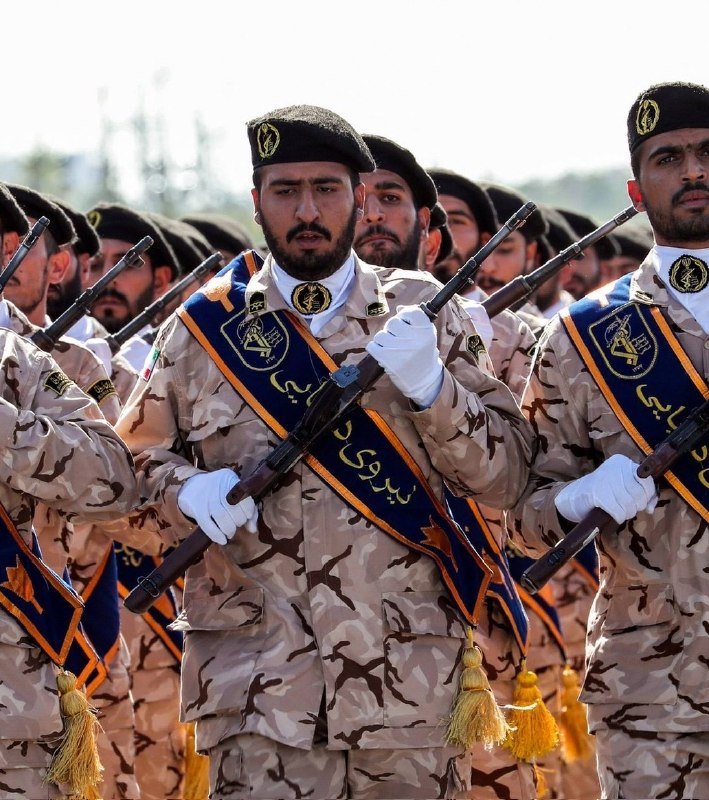
Air-raid sirens sounded across Bahrain in the early hours of 8 July 2026, with multiple Telegram channels reporting explosions, an all-clear, and then a fresh wave of blasts within roughly half an hour. The unverified alert traffic — posted between 02:31 and 03:02 UTC by channels including AMK Mapping, Geopolitical Watch, War Front Witness and Intelslava — framed the strikes as Iranian retaliation directed at the kingdom that hosts the United States Fifth Fleet headquarters.
The pattern, as relayed through these aligned open-source channels, is consistent with the way Iran-aligned messaging networks have narrated Gulf confrontations since the 12-day war of 2025: a quick, claim-heavy first alert, then a louder follow-up alert once reports of damage consolidate. Neither Bahraini, Iranian nor US authorities have been formally quoted in the items published at 03:00 UTC. Casualty figures, target identification, and attribution remain pending.
What we know from the alert traffic
At 02:31 UTC, AMK Mapping posted that sirens had sounded in Bahrain and that "possible IRGC retaliatory attacks" were underway. Two minutes later, Geopolitical Watch reported "another batch of explosions" inside the kingdom. At 02:52 UTC, War Front Witness (@wfwitness) said sirens were sounding; a follow-up post minutes later declared an all-clear. By 03:01 UTC, Geopolitical Watch had reverted to a tone of exasperation, claiming "another attack on Bahrain," and at 03:02 UTC Intelslava was again broadcasting sirens in Manama. The interval between the first alarm and the post-clear reactivation is roughly thirty minutes — too short for conventional military deconfliction, consistent with operators cycling alerts as more reports arrive.
None of the five items visible to this publication includes imagery of impact sites, an institutional statement from the Bahraini Interior Ministry, or a US Central Command release. They consist of short text posts in English, sometimes bearing the tricolour flags of Iran, Bahrain and the United States. That visual rhetoric is part of the message: an attack on Bahrain, in the framing, is also a strike against US power projection in the Gulf.
Why Bahrain, and why now
The kingdom matters disproportionately to US force posture in the region. Naval Support Activity Bahrain has been the afloat Fifth Fleet's home port since 1995, and the base routinely hosts rotational mine-countermeasures, patrol craft and fighter assets. Any operation that degrades Manama's willingness — or ability — to keep that arrangement in place reshapes Washington's options across the wider theatre, from Iran itself to the Bab el-Mandeb and the Strait of Hormuz. Coverage that treats Bahrain as interchangeable with the United Arab Emirates or Qatar misses the point: of the GCC monarchies, Bahrain has been the most explicit US partner in naval basing, and the most exposed politically when Gulf airspace is contested.
The proximate cause of any Iranian retaliation is not stated in the open-source alerts circulating at 03:00 UTC. Tehran did not, in the items in front of this publication, formally claim the strikes. The framing supplied by the channels — that Bahrain is being targeted because of its US hosting role — is consistent with statements Iranian officials have made in earlier escalations, but the institutional source for last night's claims is absent. Readers should treat "IRGC retaliatory attacks" as the channel's interpretation, not as an Iranian government admission.
What the framing choices reveal
Iran-aligned OSINT channels operate under a different incentive structure than Reuters, AFP or the BBC. Their posts are designed to set the news agenda before any official confirmation: name the actor, name the geography, name the motive, and let amplifiers downstream carry the line. That sequence matters because, in a Gulf strike, the first twelve hours of framing are usually the dominant framing. Western wires then move to corroborate or walk it back; by then, the geopolitical meaning has been set.
This pattern repeats across the 2025 war coverage and into the present cluster of alerts. It is also vulnerable to error: open-source channels have previously attributed strikes to Iran that later emerged as accidents, interceptions, or drone interceptions of Houthi munitions, and have at times claimed damage inside Saudi Arabia that Riyadh never confirmed. The Bahrain cluster will resolve in much the same way — through satellite imagery, official statements, and casualty reporting — or it will not, and the open-source attribution will harden into received wisdom regardless.
What's still contested
Three things are unresolved at 03:30 UTC and matter most to the stakes. First, the target: was anything struck, or were the explosions intercepts and sonic events rather than successful impacts? Second, the actor: a claim that "IRGC retaliatory attacks" were underway is not the same as an Iranian government statement; Tehran has a long record of deniable operations through Iraqi, Houthi or Syrian-linked intermediaries, and Bahrain is within range of all three vectors. Third, the political reaction in Manama. The Bahraini government has previously denounced Iranian aggression without joining the retaliatory coalition openly; if strikes are confirmed, that posture will be tested again.
The plausible alternative read is simple: the alerts are correct, but the strikes are interception footage, mine-countermeasure incidents, or Patriot debris — audible and visible, not destructive. Under that reading, the posturing still matters, because Bahrain's population has lived through the 12-day war of 2025 and a 2026 incident will move markets, travel flows, and Gulf airline routings even without confirmed damage.
The dominant reading, based on the cadence of the alerts — five items across thirty-one minutes, with reactivation after an all-clear — is that something detonated, and that it detonated close enough to populated areas to trigger air-raid procedure. Whether the detonations reached intended targets is the question that satellites, not Telegram, will answer.
Stakes
For Washington, a confirmed strike inside Bahrain means a need to either harden the base against follow-on attacks, or to widen the regional missile defence umbrella to include Manama more explicitly. Neither option is cheap. For Tehran, the cost-benefit calculus is similar to previous Gulf confrontations: demonstrable reach to the prize that the United States values most — its forward fleet — buys leverage at the negotiating table and at home. For Manama, the longer-term question is whether hosting the Fifth Fleet remains a security asset or becomes a liability the kingdom has to absorb.
Barring official statements issued before pipelines close, the operational picture overnight is that Bahraini and US installations were in a high-alert state, with blast events and sirens relayed by Iran-aligned OSINT channels but not yet attributed in any document a wire service has reported. The next 12 hours will determine whether the cluster hardens into a confirmed Iranian strike, a contested incident, or an interception event the cameras happened to catch. Monexus will update as institutional statements land.
Desk note: this piece is built from five Telegram posts published between 02:31 and 03:02 UTC on 8 July 2026. No wire service has formally attributed the blasts at the time of publication; readers should treat the institutional side of the story as still pending and follow the Bahraini Interior Ministry, US Central Command, and Iranian official channels for confirmation rather than the open-source feeds.
Wire provenance
This editorial synthesis draws on the following public wire/social posts:
- https://t.me/intelslava
- https://t.me/GeopoliticalWatch
- https://t.me/wfwitness
- https://t.me/GeopoliticalWatch
- https://t.me/AMKMAPPING