Mamdani’s bus plan and a World Cup gripe collide on a single New York stage
A $882m bus-corridor announcement became the backdrop for the mayor’s claim Egypt were ‘robbed’ against Argentina — and both stories now travel together.
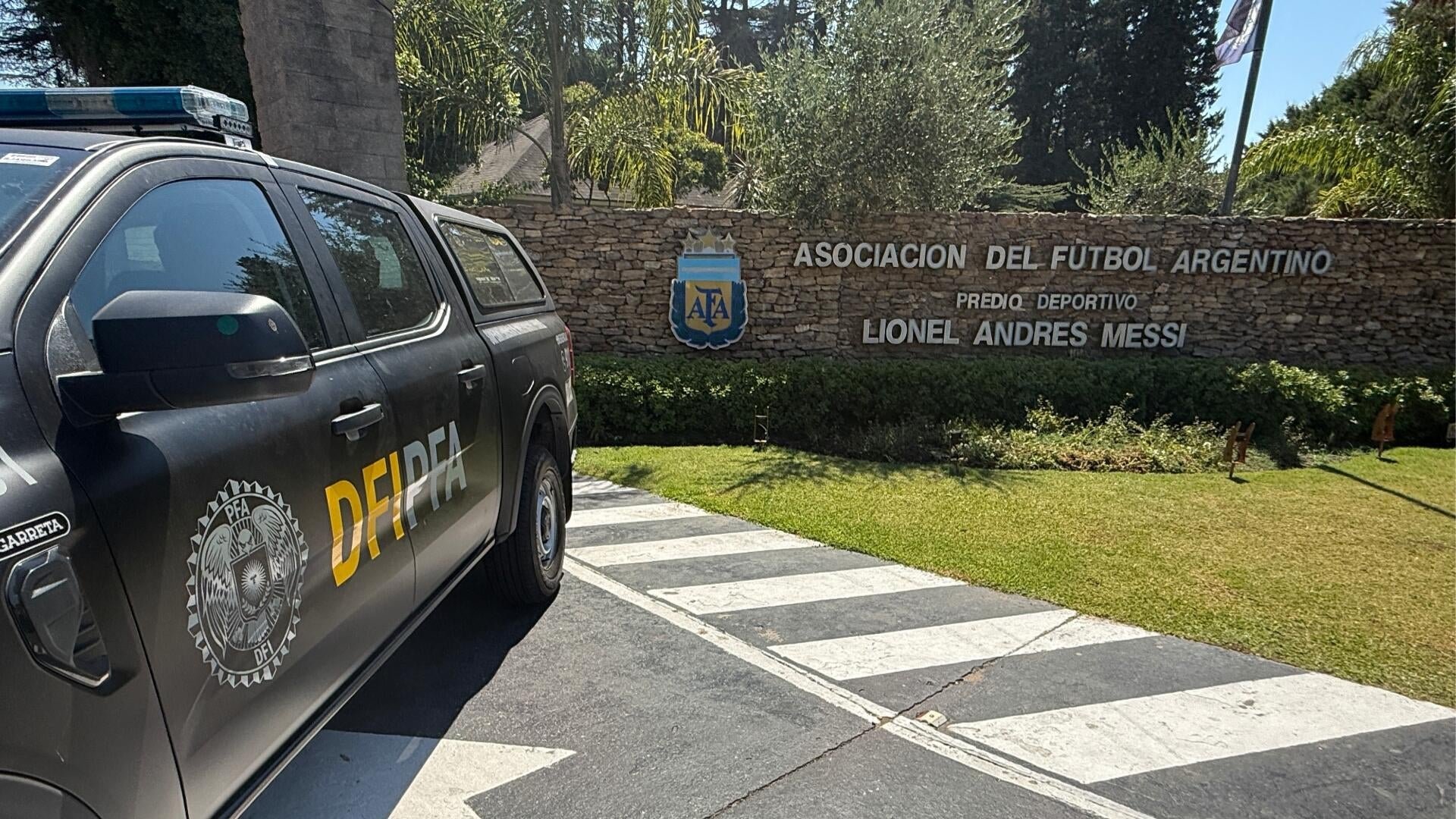
New York City Mayor Zohran Mamdani used a Wednesday evening transit announcement to wade into a controversy 5,500 miles from City Hall, telling a crowd that Egypt's national football team "were robbed" in their Round of 16 defeat to Argentina at the World Cup. The remarks, delivered at an event rolling out an $882 million plan to speed up buses on 50 priority corridors, briefly turned a policy pitch into an international refereeing grievance — and pulled the room into two stories at once.
What makes the moment worth pausing on is not the phrase itself, which politicians of every stripe have used about football for a century. It is the pairing. A mayor standing behind a transit funding figure used the same minute of stage time to litigate a knockout-round result in a tournament the United States is co-hosting. The bus plan stands or falls on its engineering merits; the football comment lives entirely on vibes. That the two shared a podium says something about how local elected office now operates, and how a city with a mayoralty built on insurgent energy handles the bully pulpit.
The transit plan underneath the headline
The $882 million package is the substance, and it is genuinely large for a bus-only programme. According to the figure circulating in coverage of the announcement, the proposal targets a 20% improvement in bus speeds across 50 priority corridors — the kind of system-wide percentage that, if achieved, would be one of the more aggressive bus-priority rollouts in the city's recent history.
New York's bus network has been the laggard of its transit family for a generation. Subway ridership has recovered unevenly from the pandemic; the buses, more exposed to surface traffic and enforcement gaps, have run slower than they did in the early 2010s. A 20% speed gain on 50 corridors would not just be a marginal tweak — it would reset the floor for what the bus network feels like to ride. The political question is whether the dollars are mostly paint and enforcement (camera-equipped bus lanes, redesigns at choke points) or whether they reach into running-way separation and signal priority in any meaningful share.
Mamdani's office, per the announcement, frames this as speed-over-coverage: faster service on the corridors most riders already use, rather than a net expansion of the map. That is a defensible trade-off in a capital-constrained moment. It is also the trade-off most likely to draw heat from outer-borough advocates who want new routes, not just faster ones.
The football side: what Mamdani said, and what was actually controversial
The World Cup match in question ended Egypt's tournament. Argentina advanced; Egypt went home. The decision or decisions Mamdani characterised as robbery were not specified in his remarks as reported, and the X wire and Middle East Eye accounts of the event — both timestamped within five hours of each other on 8 July — record the claim rather than enumerate the disputed calls.
Two things can be true. A knockout-round loss decided by a tight officiating call can fairly be described as unjust by a partisan observer, and football discourse tolerates that language routinely. It can also fairly be flagged when a sitting mayor uses a city-funded podium for it. The reason this lands differently from, say, a congressman tweeting at 1 a.m. is the stage: a transit-policy rollout is a venue where the audience — reporters, transit advocates, union officials — is present for the bus plan, not for the football grievance. The football line therefore competes with the policy for attention in a way a tweet does not.
The counter-read is also straightforward. Mamdani's politics have been built on an unusually direct, plainspoken register; his supporters would argue this is exactly the unfiltered tone they voted for, and that parsing a mayor's football opinions for diplomatic offence is a press habit that misses the substance underneath. Both reads are coherent.
Why the two stories travel together
The structural point — and the one worth keeping after the cycle moves on — is that local elected office in 2026 increasingly operates as a single-channel broadcaster. A mayor with a verified handle, a podium, and a hostile press environment will use whatever event is in front of them to maximise reach. The bus plan needed a press conference; the football grievance needed a megaphone; combining them cost nothing and doubled the surface area for both.
For Mamdani specifically, the bet is that authenticity-per-minute is a positive-sum game: every unscripted remark is read by his base as further confirmation that he is not a standard-issue politician, and every such remark is read by his critics as confirmation that he is undisciplined. The bus plan's reception will turn on whether the corridors actually move faster in eighteen months; the football line will be forgotten by then. But the pattern — of using policy platforms as broadcast vehicles for other arguments — is the durable story.
Stakes and what to watch
For New York commuters, the only test that matters is whether a bus from the Bronx to Midtown in 2027 measurably outpaces one from 2026. The $882 million figure and the 50-corridor map give advocates a benchmark to hold the administration to. The football remark, in the meantime, will fade into the long archive of things politicians said about matches they did not play in.
What remains genuinely uncertain is whether the bus proposal survives contact with Albany and the city council in something close to its current form, and whether the corridors Mamdani's team has prioritised are the same corridors the ridership actually needs. On the football side, the sources do not specify which match official or incident Mamdani was referencing, and the dispute over the call itself is unresolved in the public record available here.
Desk note: Monexus treated the transit announcement as the lede because that is the verifiable policy substance; the football remark is reported as a contiguous news event rather than as a framing device for the bus plan.
Wire provenance
This editorial synthesis draws on the following public wire/social posts:
- https://x.com/polymarket/status/2074962901677289472
- https://x.com/polymarket/status/2074962901677289472