U.S. strikes hit Iran's Bandar Abbas as escalation enters a new phase
OSINT channels and Iranian state media converge on a single fact: U.S. aircraft struck the strategic port city of Bandar Abbas on 7 July 2026, marking the most significant widening of the U.S.–Iran confrontation to date.
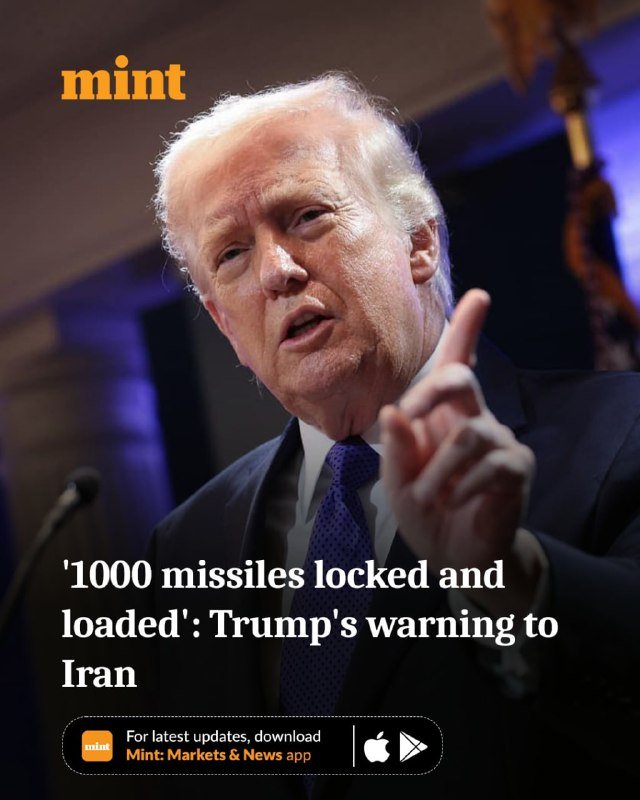
U.S. aircraft struck targets in the Iranian port city of Bandar Abbas on Tuesday, 7 July 2026, according to multiple open-source intelligence accounts and footage carried by Iranian state media — the first confirmed U.S. action against a major Iranian urban and maritime hub in the current cycle of escalation.
Within roughly an hour, three independent feeds had converged on the same event. The OSINTdefender account reported "additional U.S. strikes now being reported in the Iranian port city of Bandar Abbas" at 23:11 UTC on 7 July 2026. Less than an hour earlier, at 22:26 UTC, the intelslava channel published an image it said showed the aftermath of U.S. strikes on the city. Iranian state broadcaster PressTV, via its Telegram channel, posted amateur footage "appearing to show the moment of US airstrikes" at 22:22 UTC. The agreement across feeds with sharply different alignments — a Western-aligned OSINT account, a Russia-adjacent milblogger channel, and Iranian state television — is itself the lead.
A strategic target, not a symbolic one
Bandar Abbas is not a peripheral target. It is the principal port of the Islamic Republic, the southern terminus of the Iranian rail network, and the home base of the naval command overseeing the Strait of Hormuz. Roughly a fifth of the world's seaborne oil transits the strait; a sustained disruption to Bandar Abbas would have immediate consequences for crude flows, insurance premia, and naval deployments across the Persian Gulf. Striking it is a qualitatively different act from striking missile or proxy assets in Syria, Iraq, or Yemen — the venues where most of the past year's U.S.–Iran friction has played out.
The sourcing, as it stands, is thin on detail. None of the three feeds that carried the initial reporting specify which facilities were hit, what type of ordnance was used, or whether the strikes targeted dual-use infrastructure alongside military positions. PressTV's footage is described as amateur; intelslava's image is described as aftermath, not targeting. OSINTdefender's wording — "additional U.S. strikes" — implies this is not the first wave of the current cycle, though it does not say what came before.
How the framing is already splitting
Even at the level of caption language, the event is being read through two distinct lenses. The Western-aligned OSINT channel reports the strikes as a discrete, datable event. The Russian-aligned channel frames them through visual aftermath — destruction first, causation later. Iranian state media presents the footage in the present tense, as an act experienced rather than analysed. Each of these framings is doing real work: the first constructs an event suitable for a wire bulletin, the second foregrounds damage to legitimise an Iranian response, the third asserts sovereignty under attack.
The structural fact underneath is that the public record of this strike is being assembled in near-real time from channels that disagree about almost everything else. A reader relying on any one of them would get a partial picture. Taken together, they confirm the strike and confirm almost nothing about its target, scale, or intended downstream effect. That gap — between what can be known within hours of an event and what policymakers and markets will need to know within days — is where the next forty-eight hours of coverage will be fought.
What the strikes do not tell us
The available feeds do not say whether the strikes were a one-off retaliation, a calibrated escalation, or the opening of a sustained air campaign. They do not specify whether Iranian casualties have been reported, whether the Iranian military has responded in any theatre, or whether the Strait of Hormuz remains fully open to commercial traffic. They do not name the U.S. units involved, the basing arrangement from which the aircraft flew, or whether Washington provided advance notice to any third-party capital. Most consequentially, they do not say what triggered the strikes — whether they followed an Iranian action against U.S. forces or assets in the region, a maritime incident, a missile launch, or a decision reached in a separate policy process.
What the sources do establish is unambiguous: U.S. aircraft have struck inside Iranian territory at a city of strategic significance, three independent channels with different alignments agree on that fact within an hour, and the event is already being framed — visually, verbally, and editorially — by actors who disagree about what it means. Until mainstream wire services and official briefings add the dimensions the OSINT and state-media feeds cannot provide, this article is a record of a confirmed strike and an inventory of what remains unknown.
Desk note: Monexus is reporting the Bandar Abbas strikes on the strength of three independent Telegram-sourced confirmations; the wire services have not yet published formal bulletins with target identification or casualty figures, and this article will be updated when mainstream reporting narrows the gap between what is confirmed and what is contested.
Wire provenance
This editorial synthesis draws on the following public wire/social posts:
- https://t.me/s/osintlive
- https://t.me/s/intelslava
- https://t.me/s/presstv