Washington picks a fight it cannot afford to lose in the Strait of Hormuz
US Central Command says American forces are striking Iranian military targets in the Strait of Hormuz. The escalation lands on a waterway the world cannot afford to lose — and on an Iranian state media line that says it will not turn the clock back.
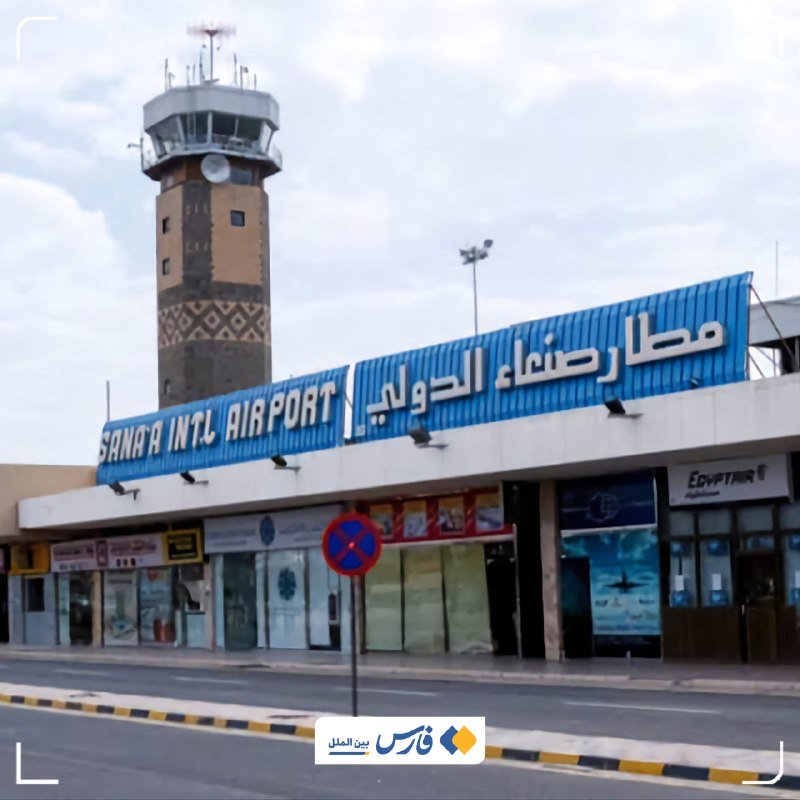
The latest salvo, at roughly 20:34 UTC on 8 July 2026, is not a mystery. US Central Command is conducting additional strikes against Iranian military targets in the Strait of Hormuz, according to a CENTCOM-sourced update carried by the Open Source Intel channel. A senior US official told Axios, as relayed by Clash Report and War Front Witness, that American forces are striking Iranian military targets near the strait. The Cradle Media frames the operation more pointedly: the United States, it says, is attacking Iran to punish it for imposing its will in the strait.
The framing matters. Two of the three reads now circulating — the Western wire line and the Beirut-based regional outlet line — agree on the fact of bombardment. They disagree on what the bombardment is for. The gap between those two stories is the gap that will define the next seventy-two hours of oil markets, Gulf shipping insurance, and the political weather in Washington, Tehran, and the Gulf capitals.
The American case, in the words it is choosing
Washington has not, as of the time of writing, published a written explanation on a stable URL that this publication can verify independently. The operative language in circulation comes through two channels: CENTCOM's own social update ("additional strikes against Iranian military targets") and a senior US official's read-out to Axios, summarised in Telegram traffic as striking "near the Strait of Hormuz." Both formulations are careful. They name a target class — Iranian military targets — and a geography. They do not name a triggering incident, a casus belli, or a strategic objective.
That reticence is itself the story. The standard American script in this kind of action runs through a named provocation, an articulated red line, and a list of demands. None of that scaffolding has been built out in the materials available to Monexus at 20:34 UTC. The operation is being sold as a continuation of an existing posture, not as a response to a discrete event. That choice buys Washington room to escalate — and to disclaim escalation — almost at will.
The Iranian counter-narrative, and why it is not mere rhetoric
Tehran's state broadcaster IRIB, paraphrased in the Open Source Intel feed, has declared that the Strait of Hormuz is under Iran's control and that "the situation will not return to the pre-February 28 status." The February 28 reference point is doing real work here. It implies a benchmark date before which the regional order was, in Tehran's telling, acceptable to it, and after which it is not. Iranian messaging in this register is not boilerplate. It is a claim about the structure of the bargain now in dispute: who sets the terms of transit through the strait, under what flag, and on whose insurance ledger.
A waterway does not need to be physically blockaded to be politically controlled. Threat, intermittent harassment of commercial shipping, selective inspection regimes, and the implicit pricing of war-risk premia do most of the work. The Iranian framing — that the strait is already under Iranian management regardless of what US carriers do above the waterline — is the kind of claim that markets test within hours and insurers price over weeks.
What the structural read actually says
Strip the politics away and you are left with a narrow passage through which a significant share of seaborne oil moves, watched over by a US Navy that has not been able to guarantee free transit by presence alone for some time, and a regional power that has spent two decades building the capacity to contest that presence. Strikes against military targets do not, on their own, change that geometry. They raise the cost of Iranian retaliatory action in the short term and accelerate the Iranian substitution of asymmetric tools — mines, fast craft, drone swarms, commercial-vessel coercion — for the assets the strikes can destroy.
This is the part the cables tend to understate. A US operation that destroys a radar site or an anti-ship missile battery on a known firing point does nothering to the problem of unmarked dhows transiting at night, of commercial crews facing a choice between US naval escort and Iranian inspection, of insurers repricing war risk in real time. If the goal of the operation is to push the strait back to a pre-February 28 operating picture, the toolkit being advertised is not the one that gets you there.
Stakes, on a clock that is already running
The losers in the near term are clear: Iranian military assets within range, the crews of any Iranian vessels engaged, and the commercial operators who will pay the difference in insurance and routing the moment Lloyd's and the IG P&I clubs reprice. The winners, in the very short term, are the defence primes with relevant exposure and any Gulf state whose crude can be exported from terminals that bypass the strait. Saudi Arabia's east-west pipeline, the UAE's Fujairah infrastructure, and Oman's Salalah all become more valuable in a strait-disruption scenario, in ways that do not require a single additional barrel to be pumped.
The harder question is what Washington is buying for itself. A successful operation that degrades Iranian anti-ship capacity by a meaningful percentage, leaves shipping flows unchanged, and is not followed by a wider war is the optimistic case. A successful operation that does not change behaviour on the water, and is followed by an Iranian response calibrated to be deniable and commercially painful, is the case the markets will price first.
What is not yet verified
The thread materials do not specify the number of sorties, the weapons used, the number or location of targets hit, the presence of coalition partners, or any Iranian retaliatory action in the hours since the strikes began. Iran's IRIB statement is paraphrased through an aggregator rather than read off a stable state-media URL. The Axios report is summarised in Telegram traffic, not verified against an Axios article URL in the materials available to this publication. Readers should treat specific operational details as preliminary until CENTCOM publishes a written readout and Iranian or Gulf-state sources put verifiable numbers on the record.
What is already on the record is enough to be precise about. Washington is striking. Tehran says it is not turning the clock back. The water between them carries a price tag the rest of the world pays.
Desk note: Monexus has led on the verified CENTCOM and Axios-sourced facts of the operation and given equal weight to the Iranian framing carried by IRIB and regional outlets, on the principle that both readings are shaping market and diplomatic behaviour in real time and neither can be treated as background colour.
Wire provenance
This editorial synthesis draws on the following public wire/social posts:
- https://twitter.com/Osint613/status/2074950602480578816/photo
- https://t.me/wfwitness
- https://t.me/ClashReport
- https://t.me/thecradlemedia