King Gizzard's Studio as a Closed Loop: What the Alien Metal Pivot Actually Says
On 8 July 2026, Pitchfork reported that King Gizzard & the Lizard Wizard will release an EDM album. The Australian band's third full-length LP this year reframes a 15-year argument about what a working rock band is supposed to look like.
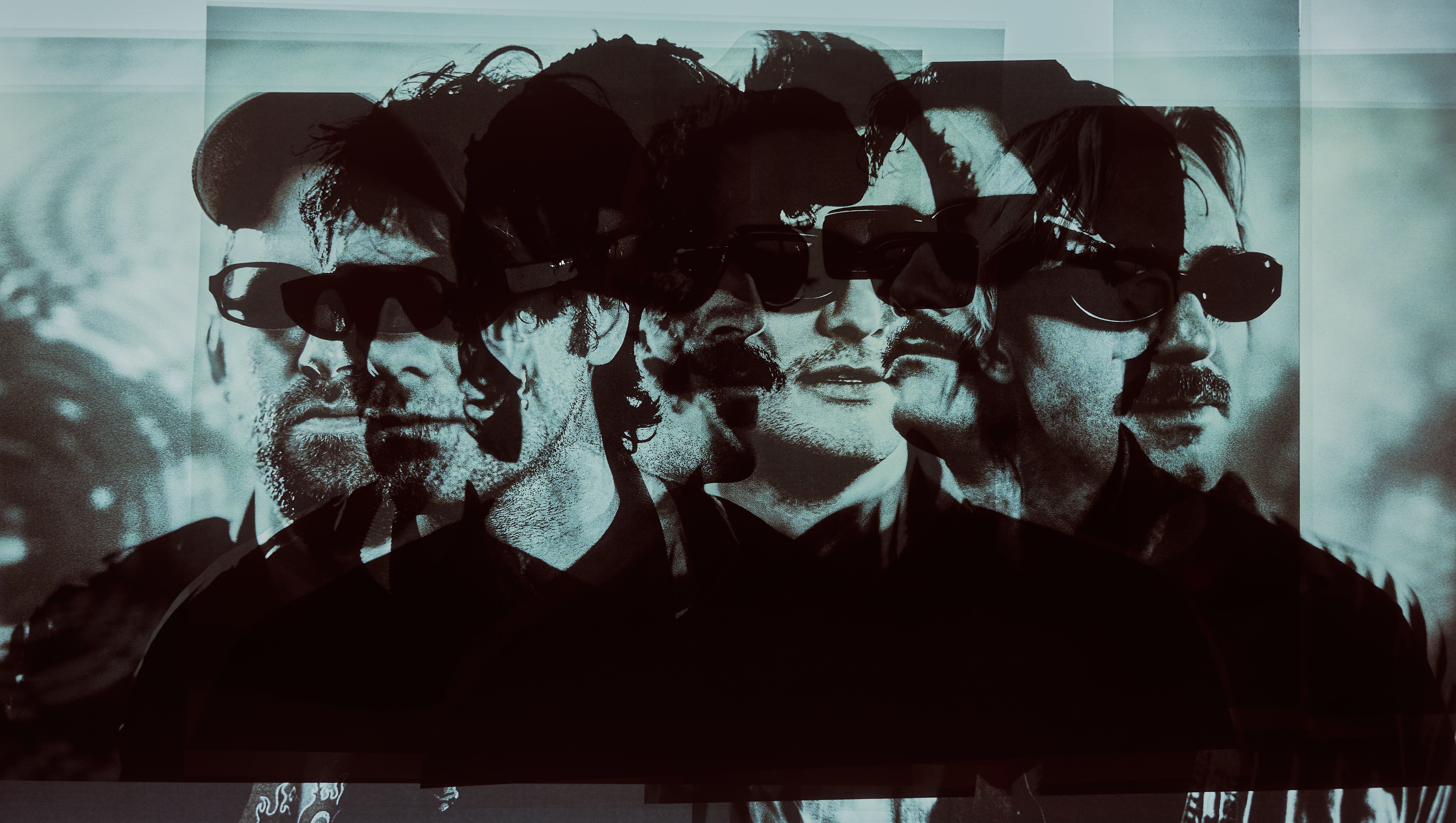
On 8 July 2026, Pitchfork reported that the Melbourne band King Gizzard & the Lizard Wizard have announced an EDM album. The single "Level 5," released alongside the announcement, lands as the third full-length record the band has put out in 2026. The group's own framing — they call the project Alien Metal — is the news, and the framing is doing a lot of work.
The story is not that a guitar band made an electronic record. Acts from New Order to Radiohead have made that move and made it look easy. The story is that King Gizzard has, over five years, restructured itself around a single operational premise: that the studio is a self-contained ecosystem, and the audience is invited to watch it run. Alien Metal is the most explicit test of that premise yet.
What the announcement actually says
The Pitchfork item, posted on 8 July 2026, confirms the EDM album and premieres the "Level 5" video. The framing in the source is short on specifics about release date, label, or track count — the band's usual approach with pre-announcements is to let the record appear when it is finished. That operating tempo is itself part of the story. A group releasing three albums in a calendar year is not behaving like a touring promotional unit; it is behaving like a workshop with a release valve.
What Pitchfork does supply is the genre label: EDM. In the band's own taxonomy that is worth parsing. King Gizzard have spent roughly a decade refusing the genre labels placed on them by critics, even as they have moved through thrash, prog, microtonal music, electro-funk, and bootleg-style garage. Calling a record EDM is, in that context, a deliberately loose gesture — a way of telling listeners where the new material sits without granting any one tributary the status of a destination.
The counter-read: this is just another costume
There is a fair counter-narrative here, and it deserves airtime. The most plausible alternative read is that Alien Metal is continuity, not rupture — the next in a sequence of costume changes that has, since around 2017, given the band a different sonic identity on each tour and roughly every eighteen months. From that angle, the EDM label is marketing scaffolding around music that will, on the record, sound recognisably like King Gizzard: motorik drums, vocal harmonies, dense layering, an unwillingness to sit still.
The counter-narrative holds up if the records keep feeling like the same band talking in different accents. It frays if Alien Metal is structurally different — if the guitars really do step back, if the writing credits shift toward electronic production, if the live translation forces a new stage setup. Pitchfork's item does not resolve that question, because no one outside the band's studio in Melbourne has heard the full record. The framing has to live with that ambiguity for now.
The structural frame in plain language
What King Gizzard have built is an artist-economy model in which the dominant Western music industry assumption — that an album cycle is a two-year promotional event anchored by a tour — is treated as a constraint to be worked around, not a template to be obeyed. They own masters, they release on their own label, they upload albums to YouTube on the day of release, and they let fans decide what to do with the material. The result is a unit that can ship product at a pace major-label peers cannot match, because the major-label cycle is built around selling scarcity rather than delivering supply.
In that sense Alien Metal is less a stylistic announcement than a capacity announcement. The band is signalling, again, that the production line is the product. The genre is the punctuation; the tempo is the sentence. Whether the third record of a calendar year will feel rushed or essential is a question for the listener. Whether the band can keep shipping at this rate is a question for the band's own stamina — and, judging by five years of precedent, not one the outside world is well placed to answer on their behalf.
Stakes and what to watch
The immediate question is whether Alien Metal will reach the band's existing audience at all, or whether the EDM label draws in a new one and risks losing the old. King Gizzard's commercial position has grown through genre-hopping rather than narrowing, so the base case is that listeners come along. The secondary question is more interesting: whether other working rock bands will treat the King Gizzard output rate as a credible model, or as an Australian eccentricity that does not travel. The honest answer, on present evidence, is that no major Western rock act has yet matched it, and several have watched it happen.
The longer arc is a structural one. As the recorded-music industry reorganises around streaming and short-form video, the artists who treat output as a recurring event — rather than a once-every-two-years spectacle — gain a compounding advantage. King Gizzard have been early to that bet. Alien Metal is the next deposit in that account, announced on 8 July 2026, and the bet is still open.
Desk note: The wire item from Pitchfork is brief — release date, label structure, and full track count are not specified in the source. This piece treats those gaps as features of the band's announcement style rather than as omissions to fill. Where the framing required inference, the inference is flagged as such rather than asserted.
Wire provenance
This editorial synthesis draws on the following public wire/social posts:
- https://en.wikipedia.org/wiki/King_Gizzard_%26_the_Lizard_Wizard_discography