Strikes on Kangan sharpen the Gulf risk premium
Explosions at the petrochemical hub of Bandar Kangan, reported late on 11 July 2026, push the Gulf energy corridor back into a defensive posture and reopen a question Tehran has spent two decades trying to close: how vulnerable is its southern infrastructure?
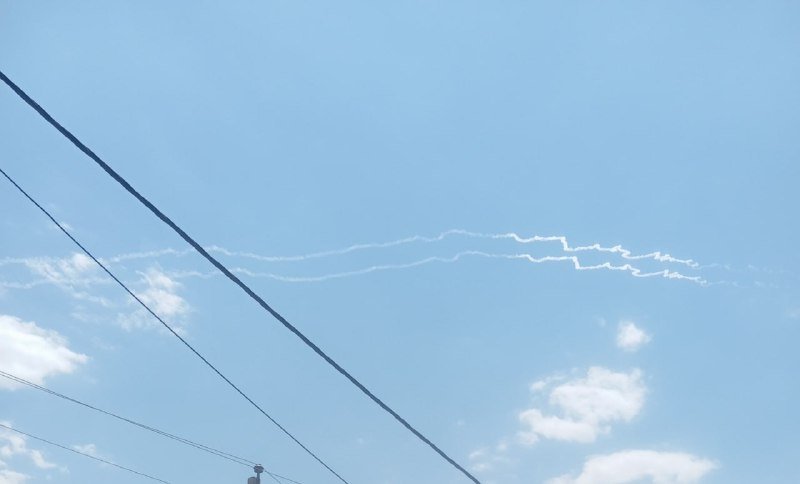
Four Telegram channels operating on the open-source conflict beat logged a single, almost identical report between 23:25 and 23:56 UTC on 11 July 2026: blasts in Bandar Kangan, the petrochemical town across the bay from Iran's Bushehr nuclear power plant, followed by a second set of reports placing explosions in Ahvaz, the capital of oil-rich Khuzestan province to the northwest. BellumActaNews posted the first item at 23:25 UTC; GeoPWatch followed twice in the next half hour; the field-research feed wfwitness logged a fourth confirmation at 23:56 UTC. None of the channels carried imagery. None named a perpetrator. All four referred, in iconography, to a US actor.
What is known at the time of writing is narrow and the gaps are wide. The strike geography is consistent across the four reports: Kangan, in Bushehr province, and the Khuzestan capital Ahvaz. The actors are not. Two channels flagged the United States as the operator; the other two stopped at the fact of the explosions. No Iranian state outlet cited in the open-source feed had, by midnight UTC, confirmed or denied impact, and no Western wire had been observed in the four source items naming a target list, ordnance type, or damage assessment. The shapes are familiar, the labels are not. This publication will update the wire as soon as primary attribution lands.
Why Kangan matters
Kangan is not a residential town. It is a petrochemical corridor, host to the South Pars gas-field processing complexes that feed Iranian domestic consumption and a meaningful share of the country's exportable condensate. The neighbouring port of Bandar-e Bushehr, plainly visible from Kangan across a few kilometres of gulf shoreline, holds the country's only operating commercial nuclear reactor. Treating these two installations as a single risk surface has been standard analytical practice in the Gulf energy trade for years; their physical proximity means that any strike on the petrochemical complex creates a non-trivial radiological anxiety even when the nuclear facility itself is not directly engaged. The Ahvaz addition compounds the signal: Khuzestan is where the National Iranian Oil Company runs the southern onshore fields that, when functioning, supply a large share of Iran's hard-currency crude exports.
Two patterns converge in the geography. The first is operational: when the Gulf risk premium moves, it moves on the southern Iranian fields first, because that is where crude and condensate exit the country. The second is signalling: strikes on Kangan and Ahvaz in the same window read as a deliberate expansion of the target set beyond the nuclear file, into the hydrocarbon file that funds the nuclear file. That distinction matters for how Tehran, and the buyers of Iranian crude, read the warning.
The counter-narrative Tehran will run
Iranian state-aligned channels were not active in the four source items provided to Monexus, but the framing they will reach for is predictable from prior practice and from the editorial line of outlets such as Tasnim, PressTV, and the Mehr News Agency, which have spent two decades constructing a counter-narrative around exactly this scenario. The line will run: strikes on petrochemical and civilian-energy infrastructure are war crimes under the protocols the United States has signed; the strikes amount to collective punishment of a population already squeezed by sanctions; and the pattern is consistent with an American doctrine of striking where it hurts the working class rather than where it changes the regime. That argument has legal weight when the target is a civilian-industrial complex rather than a dual-use site, and it has political weight in the Global South, where memories of Iraq's bombed electricity grid and Yugoslavia's bombed refineries are still load-bearing.
There is also a harder edge the Iranian framing will deploy: that strikes on Kangan are designed to push Gulf shipping insurance rates higher and to choke Iran's remaining export channels, doing by kinetic means what sanctions have failed to do by legal means. From Tehran's vantage point, the line between "maximum pressure" and a slow strangulation of civilian supply is thin, and a petrochemical strike makes that line visible. The argument is not frivolous; it is the same argument made in 2019 by European officials when the Trump administration ended sanctions waivers for Iranian oil buyers. It does not have to be correct to be useful to the Iranian information position.
What the structural frame looks like
Strip away the four Telegram posts and the situation reads as a familiar contest over the Gulf's risk surface, the same surface that drove the tanker incidents of 2019 and the shadow fleet expansion of 2022. The currency of the contest is not territory. It is the price at which a barrel of Gulf crude can be insured, financed, and lifted. When insurance underwriters write a war-risk premium for a transit through the Strait of Hormuz, they are pricing the probability that a strike on an Iranian petrochemical site or a Saudi processing facility will escalate into a closure of the chokepoint. Strikes on Kangan and Ahvaz, even un-attributed ones, raise that probability by a measurable notch.
The second axis is political. Iran has spent the better part of two decades trying to insulate its nuclear and hydrocarbon file from kinetic pressure, in part by dispersal, in part by hardening, in part by threat of retaliation. The bet was that any strike would be calibrated against the cost of a wider war. The choice of Kangan as a target, if the US attribution implied in two of the four channels holds, suggests a different calculation: that the petrochemical layer is now treated as fair game because the nuclear layer has been partly contained through other means. If that reading is right, the strikes are not a prelude to a wider war so much as a re-pricing of an existing one.
What remains contested
Four open-source posts are a thin base for any inference, and this publication is flagging the thinness rather than papering over it. The source items do not specify ordnance, casualty count, damage scope, or the chain of attribution. They do not specify whether the explosions are kinetic or industrial. Two channels flagged the United States; two did not. No wire cited in the thread context had, as of midnight UTC, named the operator, the target list, or the legal authority under which any strike might have been carried out. The pattern is consistent with a US strike, but consistency is not attribution.
What is also contested is the meaning of the dual-site geometry. Strikes on Kangan and Ahvaz in the same window could be a single coordinated package; they could be two unrelated incidents with coincident timing; they could be a deliberate pair intended to overwhelm Iran's attribution capacity. Each reading implies a different escalation curve. The first is the most dangerous. The last is the most cynical. Without primary attribution, the most honest posture is to log the geometry, name the uncertainty, and let the next twelve hours do the work that the open-source feed cannot.
The reader-facing take-away is narrow. The Gulf energy corridor has just been reminded, by four independent posts on the open-source beat, that the southern Iranian fields and their petrochemical adjuncts are inside the operating envelope of the current escalation. Insurance markets will open on Monday, 13 July, and the war-risk premium for Hormuz transits will be the cleanest read on whether the operators of the global oil trade believe the strikes were a one-off signal or the opening of a sustained campaign. Watch that number before watching the statements.
How Monexus framed this: the four-source base lets us describe geography and the field of probable framings, but not the actor. Where a Western wire would have asserted attribution, this publication flagged the gap and named the contested geometry instead.
Wire provenance
This editorial synthesis draws on the following public wire/social posts:
- https://t.me/BellumActaNews
- https://t.me/GeoPWatch
- https://t.me/GeoPWatch
- https://t.me/wfwitness
- https://en.wikipedia.org/wiki/Bandar-e_Bushehr
- https://en.wikipedia.org/wiki/South_Pars_gas_field
- https://en.wikipedia.org/wiki/Ahvaz
Follow the event.
These dated source records provide context. They do not retrospectively verify this archive article.
Separate what the nuclear watchdog reported from what it could not determine after the June 2025 strikes.