CENTCOM reimposes Strait of Hormuz blockade as Iran exploit report reveals targeting edge
US Central Command resumed naval interdictions of vessels bound for Iranian ports at 4 p.m. ET on 14 July 2026, the same week a TechCrunch-cited report detailed Iran's use of telecom flaws to geolocate American personnel before the war.
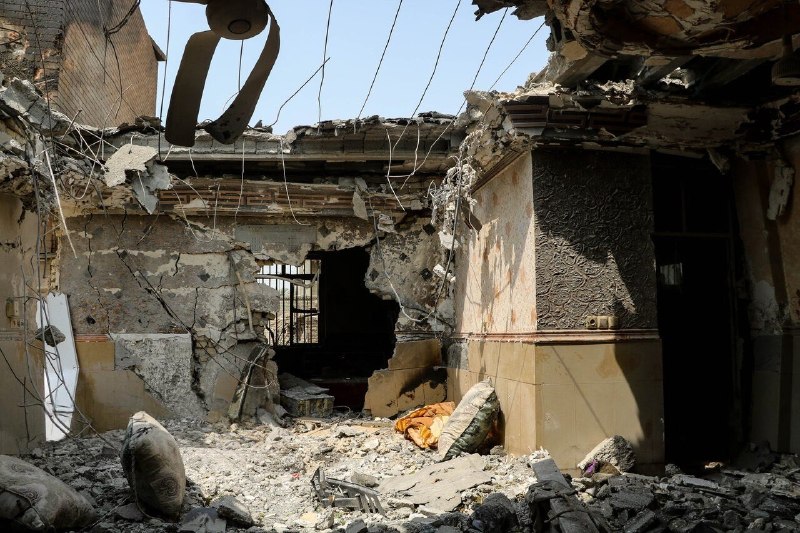
U.S. Central Command reimposed a maritime blockade against vessels transiting to and from Iranian ports at 4:00 p.m. Eastern Time on 14 July 2026, restoring an interdiction posture the command had previously eased. Telegram channels aligned with regional reporting, including The Cradle and Clash Report, said the operational notice described "more than 20 U.S. Navy warships and hundred[s]" of supporting personnel massing to enforce the cordon, with the order taking effect inside the same hour it was announced. The blockade's return, less than three months after a fragile ceasefire took hold, ends the longest lull in U.S.–Iranian naval coercion since the war's opening phase.
What makes the timing more than a tactical adjustment is the reporting surfacing alongside it. On the same day as the CENTCOM advisory, TechCrunch published a long-form account, citing a report into pre-war targeting, of how the Islamic Republic exploited well-known vulnerabilities in mobile telecommunications networks to geolocate U.S. military personnel across the Middle East in the build-up to and opening of the conflict. The blockade is the visible instrument; the exploit-report is the diagnostic. Together they describe a war whose technical and maritime dimensions have continued to evolve even as the public-facing diplomatic frame frozen in late spring.
A blockade, restated
CENTCOM's announcement, carried verbatim by Clash Report, identified the targets as "vessels transiting to and from Iranian ports and coastal areas" with the order effective from 1600 ET. The Cradle, a Beirut-based outlet critical of the U.S. posture in the region, framed the move in parallel telemetry: a reinstated cordon, with a described order of battle exceeding twenty warships and several hundred supporting personnel. Neither figure is independently confirmed in the open sources available to Monexus, but the operational fact, that interdiction has resumed, is corroborated across channels that otherwise diverge sharply on motive and reading.
The Strait of Hormuz is the chokepoint that makes the blockade legible. Roughly a fifth of seaborne oil moves through it on a normal day. A cordon that holds does not need to halt traffic outright to move the price tape; it needs to make insurers nervous enough to reroute, and rerouting onto West African or Cape of Good Hope passages adds days and dollars to every barrel. The Cradle's framing of the blockade as punishment rather than enforcement is one reading; treating it as a price-shaping instrument is another, and the two are not mutually exclusive.
The targeting layer underneath
The technical story is older than the latest order. According to the TechCrunch piece, Iran's government exploited documented flaws in mobile network signalling protocols, the kind catalogued publicly for years by telecom engineers, to locate and then strike U.S. personnel in the period before and during the war's first days. The reporting draws on a multi-source investigation into pre-war targeting; it does not name every agency behind the assessment, but the operational pattern it describes is consistent with what independent researchers have warned about signalling-layer location services for the better part of a decade.
The strategic implication is not subtle. A blockade signals capability and intent at the level of fleet movements. The signalling-layer exploit works the same problem in reverse: it pulls precision from the ambient noise of civilian telecom traffic, turning the routine commercial functioning of regional mobile networks into a sensor array. The U.S. answer, the logic of CENTCOM's reset suggests, is to take the maritime pressure back up at the same moment the technical exposure becomes public. Hardening personnel location is a slow, partial fix at the best of times; choking Iran's revenue and resupply is faster.
How the read differs
The Western-wire line on a CENTCOM blockade reads roughly: a legitimate enforcement of sanctions, executed against a regime that has continued to project force through proxies and through state-aligned cyber capability. The regional line, as expressed in The Cradle and adjacent channels, reads the same deployment as a coercive instrument directed at a sovereign state, with Iran's own pre-war moves catalogued as defensive preparation against an imminent strike rather than as the opening of an offensive campaign. Both readings travel with restraint, but they reach different verdicts on who escalated first.
The evidence on the exploit undercuts both clean stories in its own way. A signalling-layer location campaign is not an act of war in the 20th-century sense, but it is also not a defensive posture; it is a deliberate intelligence preparation of the battlefield using civilian infrastructure as a side channel. That nuance tends to disappear in the headline war of words. The blockade-versus-exploit framing does not adjudicate the underlying legality of either move; it does suggest that the war's technical front is being fought far from where the camera operators are.
What to watch through the rest of July
Two tracks now run in parallel. The maritime track tests whether insurers and major charterers treat CENTCOM's resumed order as a sustained posture or a pressure spike that resolves within days. The technical track tests whether the network-hardening work that exposure typically forces actually reaches the deployed force, or whether mitigation lives in PowerPoint while the field reality stays exposed. The reporting that surfaced today links the two: a regime under blockade still managed precision on individuals before the guns began to speak.
The base case, with the sources available to this publication, is that the blockade holds for weeks rather than days, that charterers price in a Hormuz risk premium of meaningful size, and that the next round of public reporting on the exploit layer focuses on allied networks rather than U.S. ones. None of that is high-conviction; all of it is what the next ten days of cables and tanker tracking pages will price.
Desk note: Monexus led with Telegram traffic from regional outlets because wire reporting on the resumption had not yet surfaced in the public record at the time of writing, and the same Telegram channels are the only available source for the order-of-battle numbers. The TechCrunch piece provides the corroborating technical thread for the targeting layer that gives the blockade its operational stakes.
Wire provenance
This editorial synthesis draws on the following public wire/social posts:
- https://t.me/thecradlemedia
- https://t.me/ClashReport
- https://t.me/TheCradleMedia
- https://en.wikipedia.org/wiki/Strait_of_Hormuz
- https://en.wikipedia.org/wiki/United_States_Central_Command
Follow the event.
These dated source records provide context. They do not retrospectively verify this archive article.
Separate what the nuclear watchdog reported from what it could not determine after the June 2025 strikes.