US Treasury moves on Shamkhani network, raises the cost of Iran’s maritime sanctions evasion
OFAC’s latest action targets more than 50 entities and vessels linked to Mohammad Hossein Shamkhani, sharpening the pressure on Tehran’s offshore logistics at a moment of escalating nuclear-enforcement politics.
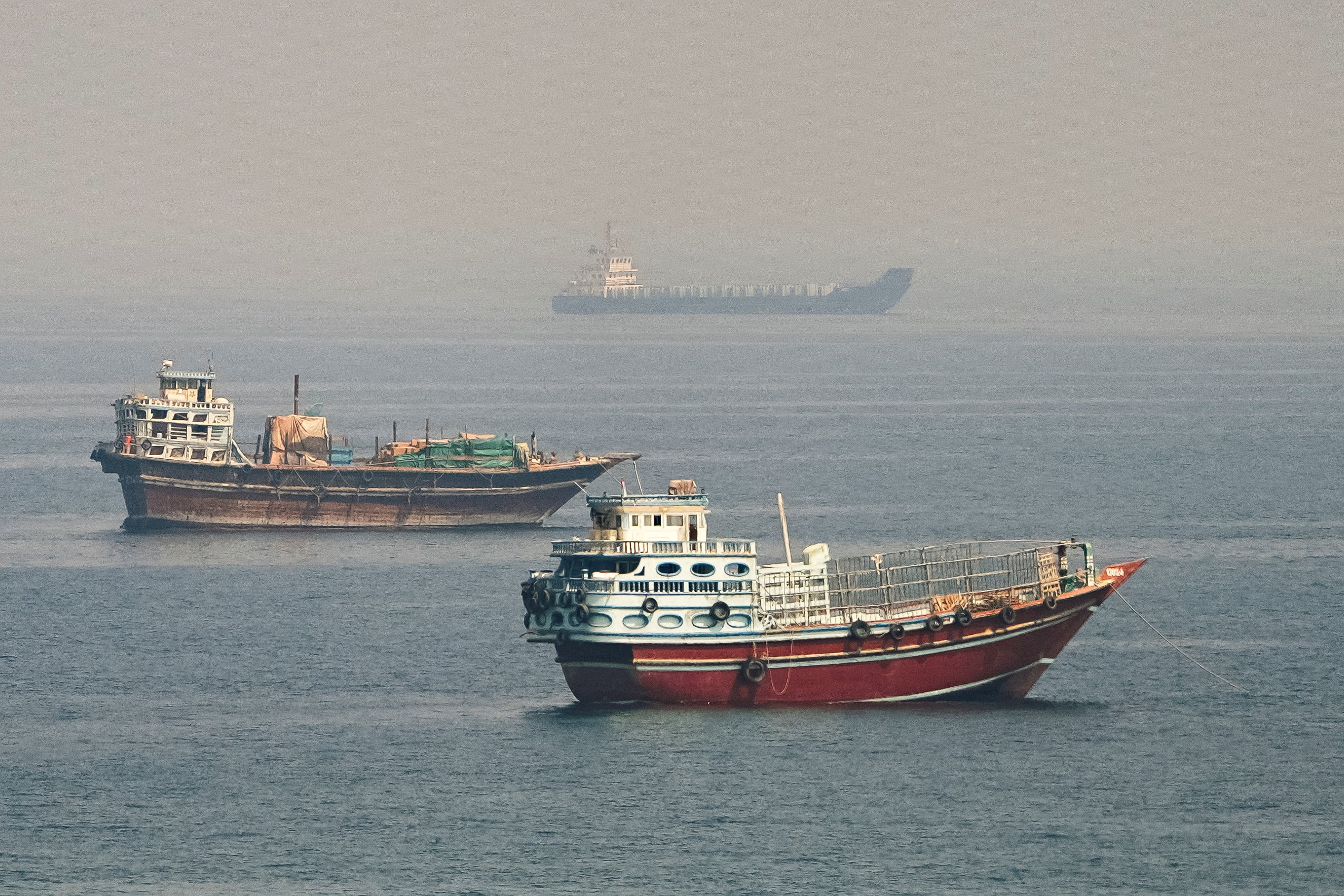
At 12:26 UTC on 15 July 2026, US Treasury channels confirmed a sweeping designation wave against the shipping network of Mohammad Hossein Shamkhani, the son of a senior figure in Iran’s security establishment. The number is unusual: more than fifty entities and vessels, named in a single OFAC action and aimed at a logistics chain that has, until now, looked largely indestructible. Tehran’s maritime evasion economy has been one of the best-protected commercial secrets of the sanctions era, and Washington has just made a public bet that it is not.
What the Treasury actually did
OFAC’s announcement, relayed through its dedicated sanctions channel at 12:46 UTC, frames the operation in uncommonly blunt operational language. The agency says it is "intensifying its efforts to disrupt and degrade the illicit shipping and sanctions evasion network of Mohammad Hossein Shamkhani," a phrasing that positions the move not as a one-off naming round but as a coordinated pressure campaign. The action targets "more than 50 entities and vessels," according to summary reporting on the sanction itself, naming tankers, shell companies, and alleged front operators that Treasury says sit inside one identifiable supply chain rather than scattered across dozens of independent brokers.
That distinction matters. Previous US actions against Iranian shipping have typically produced long lists of individually obscure designations: one shell here, one vessel there, with overlapping beneficial ownerships that even compliance officers struggle to map. A single fifty-name designation tied to one named principal signals a different theory of the case, in which the US Government believes one extended family network, rather than the atomised "ghost fleet" of independent owners, carries a meaningful share of Iranian sanctionable exports.
Why Shamkhani, why now
The provenance gives the move its political weight. Mohammad Hossein Shamkhani is the son of Ali Shamkhani, a former secretary of Iran’s Supreme National Security Council and a figure associated with the reformist-pragmatist wing of the Iranian system. The family’s commercial reach has been an open question in Western compliance circles for years, with European and US investigators flagging shipping, energy, and trading entities allegedly controlled by the younger Shamkhani. By naming the network explicitly, OFAC has converted what had been a compliance footnote into a primary sanction target, forcing every bank, insurer, port operator, and classification society that touches Iranian oil flows to make a public accounting of whether they do business with any element of the chain.
The timing also reads as deliberate. The latest action lands in the middle of a wider dispute over nuclear-enforcement snapback, in which European signatories have signalled they may move to restore sweeping UN sanctions on Tehran while Washington and Tehran continue their own separate diplomatic track. Hitting a politically connected network at the apex of Iran’s evasion architecture is a way of telling Tehran that the maritime pressure is not loosening during the negotiation, that the US can escalate tactically while still negotiating strategically.
The maritime evasion economy
Iranian oil exports have travelled through a remarkably persistent architecture of opaque ownership, flag-of-convenience reflagging, ship-to-ship transfers in the Gulf of Oman and the East China Sea, and a small set of chronically underinsured refineries in East Asia willing to process sanctioned crude. The architecture depends on plausible deniability at every node: vessels that appear to belong to an Emirati or Marshall Islands company actually serve a Tehran-controlled charterer. A single designation at the principal level can unravel the deniability faster than a hundred individual ship listings, because a named principal connects the otherwise loose ends into an investigable structure.
Counter-reads of the action have already begun circulating. Iranian sources framed through Tehran-friendly channels argue that the US is "targeting Iranian families" rather than genuine sanctions evaders, and that the listed vessels represent lawful commercial activity by an Iranian business family. Compliance specialists note that some Iranian networks will simply rotate into new shell structures over the next sixty to ninety days, using older tonnage sold to friendly buyers and re-papered under different registries. Both critiques are accurate in the narrow sense, and neither neutralises the political effect: the network now has to be rebuilt publicly under a louder spotlight, and any vessel that touches its previous counterparties is now a candidate for secondary action under OFAC’s 50 Percent Rule.
What to watch next
The next thirty days will tell whether the action bites. Three signals matter. First, the response from major classification societies, particularly in Europe and East Asia: if they move to delist or refuse service to named tonnage, the operational life of the network compresses fast. Second, the insurance response, since protection-and-indemnity clubs are the choke point most readily accessible to Western regulators. Third, the diplomatic residue: whether Tehran treats the action as part of the ongoing nuclear track and absorbs it, or whether it retaliates against US-aligned shipping in the Gulf in a way that draws a wider response.
What remains genuinely uncertain is the network’s structural depth. The Treasury announcement is framed around a principal and a chain; the sources made available to the public at the moment of designation do not say how many alternative chains sit parallel to it, or what share of Iranian sanctionable maritime exports the Shamkhani network actually carries at the moment of designation. The action is a meaningful escalation, and it is also a confession that the public accounting of Iranian sanctions evasion was, until today, too partial to deliver the pressure Washington claimed it was applying.
For now, the constraint is the constraint: more than fifty named entities are now visible where, yesterday, they were deniable, and the practical question is whether the rest of the enforcement stack catches up to the map.
Desk note: This publication leads with the OFAC press framing on the political economy of the action, names the principal publicly identified by Treasury, and surfaces the Iranian-side counter-position as a structural claim rather than treating it as equal weight to the underlying designation record. The wider frame: dollar-adjacent enforcement is once again doing the diplomatic work that negotiations cannot.
Wire provenance
This editorial synthesis draws on the following public wire/social posts:
- https://t.me/wfwitness
- https://t.me/rnintel
Follow the event.
These dated source records provide context. They do not retrospectively verify this archive article.
Separate what the nuclear watchdog reported from what it could not determine after the June 2025 strikes.