Explosions reported in Kiryat Shmona as northern front stays live
Israeli media report multiple blasts in the northern town; separately, army radio says a reserve officer was wounded by friendly fire in South Lebanon.
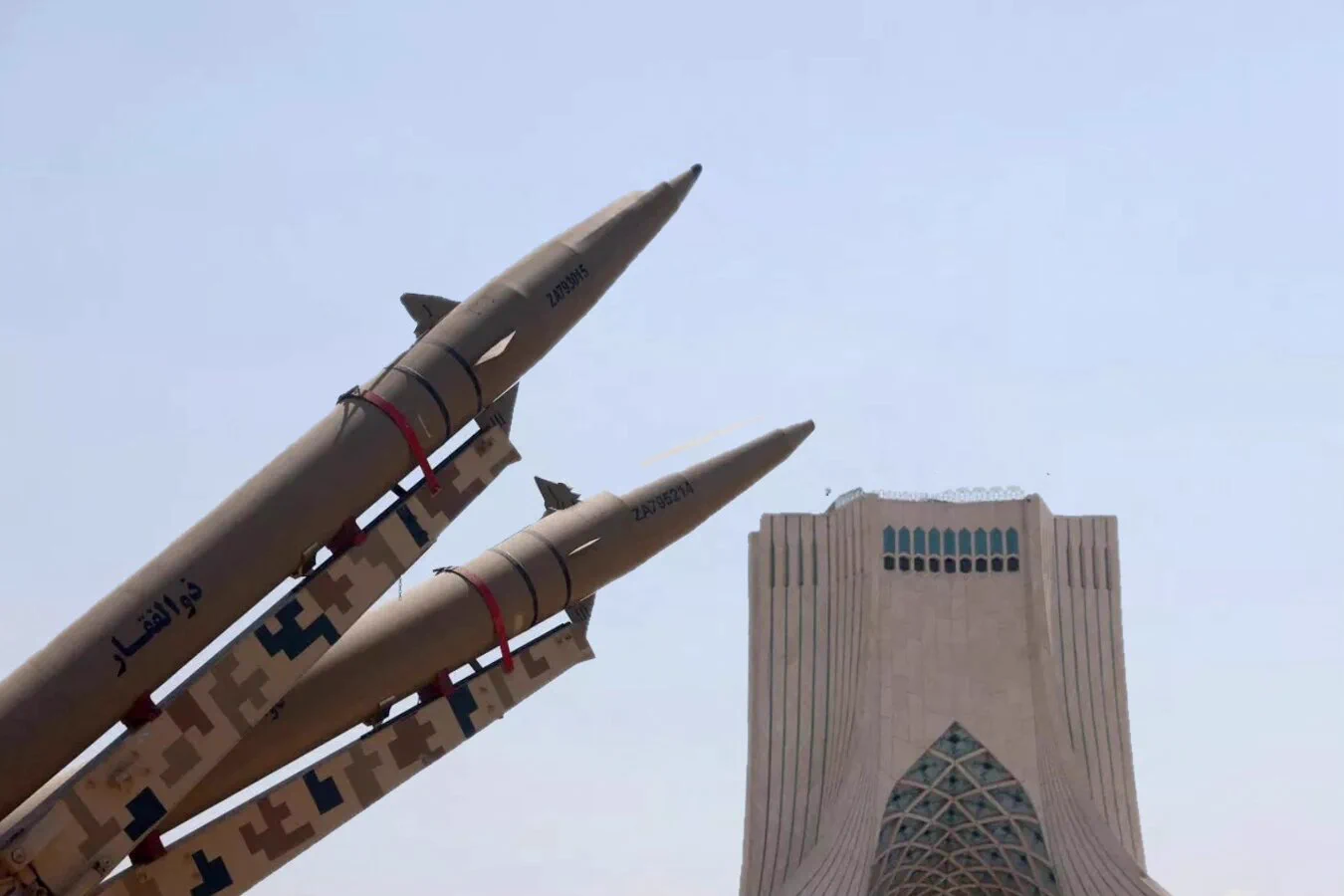
Multiple explosions were reported in the northern Israeli town of Kiryat Shmona on the morning of 18 July 2026, according to Israeli media cited by Iran's Tasnim News Agency. The English-language Tasnim wire posted the account at 07:42 UTC, attributing the report to "news sources of the Zionist regime" and saying "several explosions" had struck the settlement, which sits close to the Lebanese border in the Upper Galilee.
Within minutes, a separate Israeli casualty surfaced further north: Israeli army radio said a reserve officer was wounded in South Lebanon by shrapnel from "internal forces" during an operation, Tasnim's English feed reported at 07:36 UTC. The framing in Iranian state-aligned reporting labelled the incident "internal fire", language that, read literally, points at friendly fire. The wire did not specify the unit, the rank beyond "reserve officer," or the operational context. The two threads, almost simultaneous, are the first public markers of how the Israel–Lebanon frontier enters the back half of July.
What the Israeli-side reporting actually says
The Kiryat Shmona account is sourced by Tasnim to unnamed Israeli media. That matters: Israeli outlets have been the more consistent reporters of incoming-fire incidents on the northern line, partly because Israeli municipalities publish rapid siren and impact data and partly because Hezbollah-aligned channels in Lebanon typically claim responsibility only after Israeli confirmation. A 07:42 UTC post citing Israeli sources on Israeli soil is consistent with that pattern. The number of explosions, the type of munitions and whether injuries resulted were not specified in the wire.
Separately, the friendly-fire report is attributed by Tasnim directly to Israeli army radio, which is a more authoritative chain: army radio's bulletins routinely carry IDF Spokesperson statements within minutes. The casualty's condition, evacuation status and unit affiliation were not detailed.
The framing gap between the two wires
Iranian state media and its English service characterise Israel as the "Zionist regime" and Israeli civilians as residents of a "settlement", including Kiryat Shmona, a pre-1948 Israeli town that is not a settlement in the West Bank sense. That terminology is not incidental; it is the standard diplomatic register of the Islamic Republic and its affiliated outlets. For an outside reader, the effect is to flatten the geography of the conflict: a long-established Galilean town is described in the same vocabulary used for outposts in occupied territory. The underlying event, blasts in a border community, is not in dispute between the wires; the political wrapper is.
Israeli outlets, by contrast, are not yet on the record in the thread context. The reporting here rests on Tasnim's characterisation of what Israeli media said. Until a Times of Israel, Ynet, Haaretz or IDF Spokesperson confirmation is published, the Kiryat Shmona blasts remain a single-wire claim filtered through an Iranian-state-aligned channel. The friendly-fire item is more solid, because army radio is named directly.
Where this fits in the northern-front picture
Kiryat Shmona has been one of the most exposed Israeli localities since the Hezbollah-Israel front reopened in late 2023, with repeated evacuations, intermittent rocket and drone fire, and a kinetic tempo that has ebbed and surged with ceasefire talks and Lebanese political infighting. A morning of reported blasts there, hours after an Israeli reserve officer is wounded inside Lebanon by what army radio describes as internal fire, suggests two parallel pressures on the line at once: continued fire from the north into Israeli towns, and ongoing Israeli ground operations carrying their own casualty costs.
The two threads also show how the war leaks into different information ecosystems at different speeds. Israeli army radio broadcasts in Hebrew; Tasnim repackages the bulletin in English and frames it for an Iran-aligned audience. Israeli municipal sirens and impact reports move through Hebrew press and then to English wires. A reader who watches only the Iranian-state English feed will see a tidy one-narrative arc; a reader who watches only the Israeli Hebrew press will see a different emphasis. The event itself has to be reconstructed across both.
What remains contested and unwitnessed
The thread does not specify the cause of the Kiryat Shmona blasts, rocket, drone, mortar, or something else, nor whether Hezbollah, an allied militia or another actor has claimed them. Casualty figures on the Israeli side were not given. On the Lebanon side, the reserve officer's condition, unit, and the operational context of the friendly-fire incident were not detailed. Israeli and Western-wire confirmation is pending; the friendly-fire bulletin's Hebrew-language primary is not yet in the public record here. For a story that touches civilian safety in a border town, those gaps are the story as much as the blasts themselves.
Desk note: Monexus carried the two 07:36 and 07:42 UTC Tasnim wires as filed, attributing the Kiryat Shmona report to Israeli media as cited and the South Lebanon wounding to Israeli army radio. Hebrew-language Israeli confirmation is awaited.
Wire provenance
This editorial synthesis draws on the following public wire/social posts:
- https://t.me/tasnimnews_en
- https://t.me/JahanTasnim
- https://t.me/tasnimnews_en
Follow the event.
These dated source records provide context. They do not retrospectively verify this archive article.
Separate what the nuclear watchdog reported from what it could not determine after the June 2025 strikes.