Israel weighs a return to days of fighting in Lebanon as Beirut hunts a hold on southern demolitions
Israeli outlets report the IDF is preparing for renewed multi-day operations in Lebanon while Lebanese mediators push Washington to pause southern demolitions, with no new negotiation date on the table.
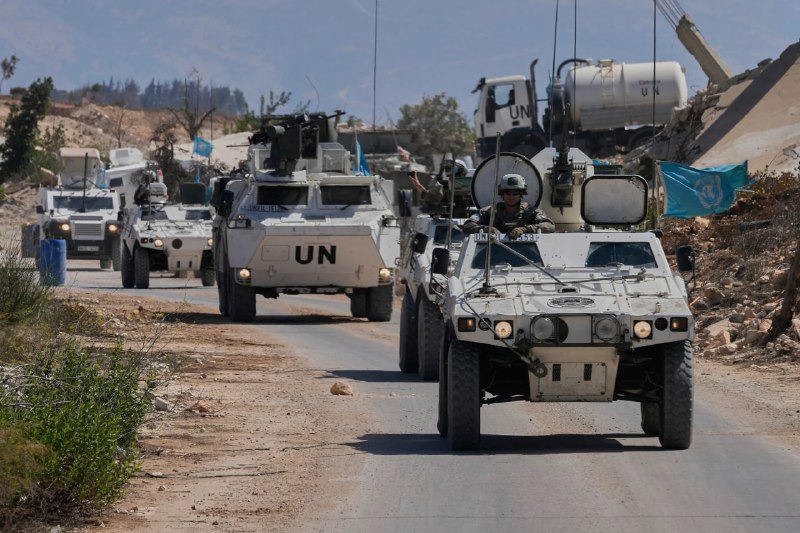
Israel's Channel 12 reported on the afternoon of 16 August 2026 that the military is preparing for the possibility of returning to several days of fighting in Lebanon, a framing that, if carried into operations, would mark a renewed escalation along the border that had been the subject of indirect contacts through Washington. The filing, relayed at 17:41 UTC by the open-source channel War and Frontline Witness, lands in the same hour as a separate Al Jadeed report, picked up at 17:21 UTC by the same channel and by the Open Source Intel feed at 17:32 UTC, describing intensified Lebanese efforts through the United States as sponsor to halt demolition and detonation work in southern Lebanon pending the outcome of ongoing contacts.
Both moves sit on the same fault line. The Israeli preparation language points toward kinetic action; the Lebanese request, mediated through Washington, points toward restraint. The thread so far offers no resolution in either direction, and the sources do not specify what would trigger either outcome.
The Israeli planning signal
Channel 12's line, as carried by the War and Frontline Witness feed, is short and conditional: the army is preparing for the possibility of returning to several days of fighting. That phrasing matters. It is not a confirmation of operations; it is a posture statement, the kind of language an IDF-facing outlet uses when the chain of command has not yet authorised a new push but wants the option live. The Israeli security framing is straightforward: if the southern front is again destabilised, Jerusalem reserves the right to respond with the same kind of multi-day operation it has used in earlier rounds of the conflict.
No casualty figures, unit identifications, or specific southern villages are named in the available reporting. The Channel 12 item, as relayed by the Telegram channel, does not specify a timeline for the possible return to fighting, nor a trigger condition. The available source items do not specify whether the planning is at the General Staff level, the Northern Command level, or both.
The Lebanese counter-move
The parallel track is Lebanese. Al Jadeed, the Beirut-based outlet whose English-language coverage frequently tracks Hezbollah-adjacent politics from a Lebanese-state perspective, reports that Lebanese efforts are intensifying through the U.S. sponsor in an attempt to halt demolition and detonation operations in southern Lebanon, pending the outcome of ongoing contacts. The phrasing is precise: Beirut is not asking for a permanent halt; it is asking for a hold tied to a contact process, and the contact process itself appears to be stalled.
The Open Source Intel feed's 17:32 UTC note confirms that no new dates are scheduled for negotiations between Israel and Lebanon. That absence is itself a fact of the record: a process that was producing dates is, as of 16 August, not producing them.
The opposition reading
The political subtext comes from a third source in the same thread. Kan's English relay, carried at 17:39 UTC by War and Frontline Witness and at 17:32 UTC by Open Source Intel, cites a Lebanese political official from a party opposed to Hezbollah as saying the group, under Iranian direction, is escalating on the ground to weaken the Lebanese state and derail direct Israel-Lebanon contacts. The framing here is the Sunni-aligned Lebanese opposition's standard line: that Hezbollah's military posture in the south is being driven from Tehran, and that its operational tempo is calibrated to political effect in Beirut rather than to defensive necessity on the border.
Monexus assessment: this opposition framing is itself a piece of leverage in the negotiation. If a Lebanese official is briefing an Israeli outlet that Hezbollah's moves are externally directed and aimed at the Lebanese state, the message is being delivered to multiple audiences at once: to Jerusalem, to signal a potential interlocutor; to Washington, to underline the urgency of the hold; and to Beirut's own political class, to isolate Hezbollah inside the Lebanese conversation. Whether that signal lands is a separate question.
What sits underneath
The shape of the day is familiar from earlier rounds of this conflict. One side signals readiness for renewed operations; the other requests a temporary halt through a third-party sponsor; an opposition faction inside Lebanon uses the moment to argue that the armed non-state actor on its own soil is acting against Lebanese national interest. None of these pieces are new in isolation. What is new, on the record available, is the conjunction: planning language from Israeli media, a confirmed gap in the negotiation calendar, an opposition-source accusation of Iranian direction, and a Beirut-led request for restraint all appearing in the same hour on 16 August 2026.
The structural read is straightforward. A negotiation that had been producing dates has stopped producing dates. The Israeli side is signalling that the absence of dates does not mean the absence of capability. The Lebanese side, working through Washington, is signalling that the absence of capability being used is itself contingent on the contacts resuming. And a Lebanese opposition source is signalling, to anyone listening, that the variable inside Lebanon is not Israeli behaviour but Hezbollah's.
What to watch next
The near-term question is procedural, not strategic. The Al Jadeed reporting describes Lebanese efforts through Washington as "intensifying", which suggests active diplomacy rather than waiting; whether that produces a new contact date, an informal channel, or a quiet hold is the test. The Channel 12 framing of "preparing for the possibility" suggests the IDF has not yet been ordered to execute, only to be ready; whether a triggering event arrives, or whether the diplomatic track absorbs the pressure, is the other test.
The available reporting does not specify what Israel would consider a triggering event, nor what Hezbollah's next operational move would look like, nor whether Iran has, on the record, directed the escalation the Lebanese opposition source alleges. The most concrete near-term data points will be: any new negotiation date confirmed by an Israeli or Lebanese official source, any IDF announcement of southern operations, and any further Lebanese opposition briefing that adds named officials or specific incidents to the current allegation of Iranian direction. Until one of those lands, the thread is best read as a posture statement on all sides, not as a fact of renewed war.
Desk note: Monexus framed the Israeli preparation language as conditional ("preparing for the possibility") rather than as a declaration of operations, in line with the source phrasing. The Lebanese opposition source's allegation of Iranian direction is presented as a sourced claim with explicit attribution, not as established fact.
Wire provenance
This editorial synthesis draws on the following public wire/social posts:
- https://t.me/wfwitness/107247
- https://t.me/wfwitness/107246
- https://t.me/wfwitness/107241
- https://t.me/osintlive/564624
- https://t.me/osintlive/564621