Odesa under the drones again: what a Saturday morning of BpLA and Geran-4 alerts actually tells us
Four Telegram alerts spanning approximately 62 minutes logged a sustained burst of aerial threats over Odesa on 16 August 2026. The pattern, not the count, is the story.
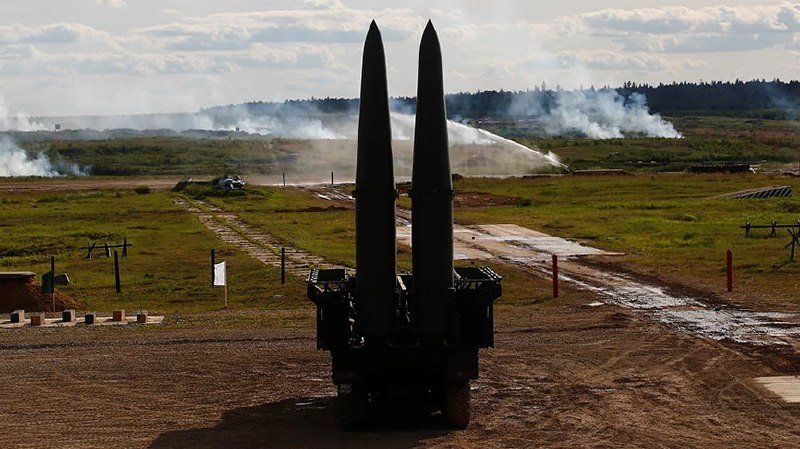
Between 10:59 and 12:01 UTC on 16 August 2026, four Telegram alerts described a sustained burst of aerial activity over Odesa. The sequence began with two BpLA aircraft reported toward the city and port from ACM, continued with a warning of three BpLA aircraft approaching from the same direction, expanded into a report of at least six more drones, including three Geran-4 jet-drones, and ended with one BpLA reported over the city. The alerts are short and blunt. They are also the most granular public record supplied here of what the event looked like as it unfolded.
The arithmetic is the story, but only with restraint. The four source items, posted by war_monitor and AMK_Mapping, describe two BpLA aircraft at 10:59 UTC, three more BpLA aircraft at 11:05 UTC, at least six additional drones at 11:13 UTC, including three Geran-4 jet-drones, and one BpLA aircraft over Odesa at 12:01 UTC. The alerts do not establish whether these were separate launches, a changing count of the same contacts, or a combination of both. What they establish is a concentrated period in which two monitoring channels repeatedly reported aircraft moving toward or over the same city.
Monexus analysis: the most defensible reading is a rolling series of alerts, not a definitive account of a completed strike package. The reported mix of BpLA and Geran-4 aircraft may indicate a layered operation, but the supplied posts do not provide enough evidence to label individual aircraft decoys, pathfinders, or strike elements. Nor do they establish a common launch platform, an interception rate, a target, or an outcome on the ground.
What the alerts actually say
The first item, posted by war_monitor at 10:59 UTC, warned of “2x BpLA in the direction of the city / port from ACM.” Six minutes later, the same channel escalated its warning: “3x BpLA to the city from ACM. WARNING.” At 11:13 UTC, AMK Mapping added: “At least 6 more drones are flying to/over Odesa, including 3 Geran-4 jet-drones.” The cluster closed at 12:01 UTC with: “Odesa 1x BpLA over the city.”
The wording matters. “To the city,” “to/over Odesa,” and “over the city” are directional observations, not confirmed impact reports. The available source items do not specify where the aircraft came from, what happened after the alerts, or whether any of the reported aircraft reached a target. The BpLA and Geran-4 labels are supplied by the monitoring channels; the sources do not independently verify the aircraft identities here.
The sequence is nevertheless notable for its continuity. Four alerts across approximately 62 minutes repeatedly placed the reported activity over or approaching Odesa, with the city or port named in the early and final messages. That repetition is a better basis for discussing a pattern than for asserting the composition of an attack.
The danger of a neat narrative
There is a plausible alternative reading: the alerts may represent overlapping observations or updated counts rather than a single coordinated package. One post reports two BpLA aircraft, the next reports three, and AMK Mapping later reports at least six more drones. The supplied material does not say whether the later group was a follow-on wave, a revised count, or a separate set of tracks. The safe conclusion is narrower: the records show a concentrated sequence of reported aerial activity.
A second caution concerns motive. A report of multiple aircraft types does not by itself prove an intent to overwhelm air defences, target a particular facility, or exhaust responders. Those would be plausible operational interpretations, but the cited posts do not provide the evidence needed to elevate them to fact. Monexus assessment: the pattern supports concern about sustained aerial pressure on Odesa, while the evidence remains insufficient to describe the event as a confirmed strike with a defined military purpose.
That distinction is not pedantry. Early alerts are useful because they record movement and direction. They are not substitutes for the authorities or independent reporting that could confirm launch details, interceptions, damage, or casualties. Publicly available warnings can shape behaviour before an outcome is known; they should not be retrospectively turned into certainty.
Why Odesa matters
Odesa is a Ukrainian city on the Black Sea coast, and the alerts place the reported activity directly over the city or in the direction of its port. The source items do not identify a specific target or explain why Odesa was named in the reports. The broader significance therefore comes from the concentration of the alerts, not from an unverified theory about strategic intent.
The operational lesson is modest but important. Repeated reports of aircraft approaching or crossing over a populated city can create uncertainty even when the final result is unknown. For readers, the useful question is not whether the alerts prove damage, but what kind of public evidence would resolve the gap: an official account of the incident, independent reporting from the ground, verified interception data, or a documented damage assessment.
The source record does not provide those confirmations. It also does not specify the operating airframe behind each BpLA label or identify a launch platform. Any description of the aircraft as decoys, strike drones, or components of a known package goes beyond what the supplied posts establish. The labels should remain labels, attributed to the channels that reported them.
What remains uncertain
The four alerts do not state interception rates, debris locations, damage, or casualties. They also do not identify the launch platform or specify whether the later count overlaps with the earlier reports. The cited posts contain no verified hit. Monexus assessment: the narrowest reliable conclusion is that the four messages document a roughly 62-minute sequence of reports about BpLA and Geran-4 aircraft moving toward or over Odesa on 16 August 2026.
The pattern matters more than the count because it shows how quickly an event can become legible before it becomes explainable. On Saturday morning, the public record supplied here was a chain of warnings from two Telegram channels. The next evidentiary test is not a more dramatic headline, but a first-party statement or credible independent report that can establish what happened after the aircraft were reported.
Desk note: Monexus framed this as an analysis of a reported alert sequence, not as a confirmed strike account, because the supplied items describe movement toward or over Odesa but do not specify an impact, damage, casualties, interceptions, or a confirmed target.
Wire provenance
This editorial synthesis draws on the following public wire/social posts:
- https://t.me/war_monitor/42628
- https://t.me/AMK_Mapping/35918
- https://t.me/war_monitor/42623
- https://t.me/war_monitor/42622