Hamas strike on the Yellow Line: a small incident, a loud argument about Gaza's future
An overnight detonation and gunfight near the Yellow Line in northern Gaza is competing for attention with a separate story about engineers trying to repair Al-Shifa Hospital. Both say something about the war's information terrain.
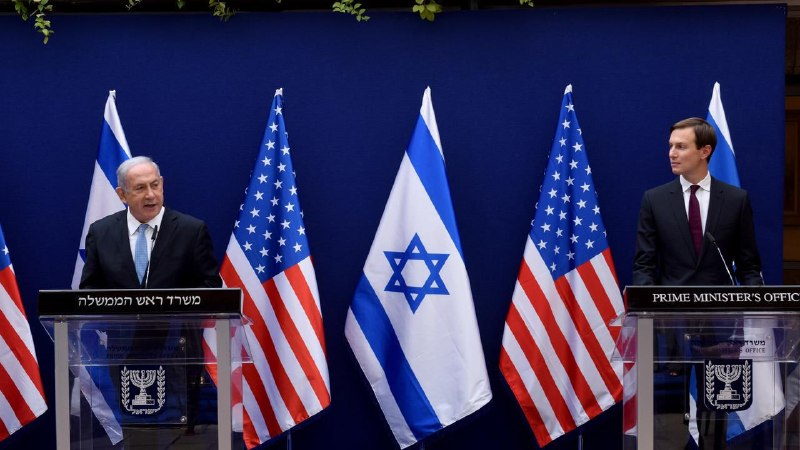
At 14:39 UTC on 17 August 2026 an open-source channel posted an entry under an "IDF" header reporting that a Hamas-planted explosive device detonated overnight in the area of the so-called Yellow Line in the northern Gaza Strip and that militants opened fire toward the same area. The post said no IDF casualties were reported. Within roughly twenty-seven minutes, The Cradle carried the Israeli military's allegation that the attack targeted personnel from Israeli-backed proxy groups in the sector, with that post citing several casualties on that side. On its own, this is a small cluster of tactical claims: an IED, a follow-on gunfight, casualties among proxy-group personnel, no independent ground confirmation in the available items.
What makes it worth a column is the second story sitting behind it in the same news cycle. At 15:00 UTC, a Gaza-based correspondent channel was posting photographs of Palestinian engineers trying to reassemble medical equipment inside Al-Shifa Hospital after Israeli bombardment, working around a documented shortage of spare parts. Two scenes, one strip of land, both filed inside a quarter-hour. Each one true on its own terms. Each one telling the reader a different thing about who is doing what to whom, and on whose authority that claim rests.
What the two relays actually say
The Yellow Line incident reaches the reader twice. The Cradle, posting at 15:06 UTC, frames it in the Israeli military's own framing: a Hamas device, a follow-on gunfight, personnel from Israeli-backed proxy groups hit, several casualties reported on that side. The open-source channel at 14:39 UTC relays the IDF line almost verbatim and adds the "no casualties reported" note. The two posts are not telling identical stories. The Cradle version names a target category (proxy-group personnel) and a casualty outcome (several); the open-source version names no casualties at all.
Monexus analysis: this gap is small but worth flagging. Two relay channels, one upstream military source, two slightly different renderings. The reader who sees both posts gets a fuller picture than the reader who sees either one alone. The reader who sees only the no-casualties version gets a cleaner, more reassuring picture than the evidence, as relayed in the same thread, supports.
The counter-frame, twenty-one minutes later
The Al-Shifa photograph is the inverse. It is not an official claim at all. It is a working scene: engineers, broken equipment, a shortage of parts. The visual argument is that bombardment damaged civilian medical infrastructure and that the capacity to restore it is constrained. The frame is not Hamas, not the IDF, not a press release. It is a hospital trying to function.
Set the two posts side by side and the pattern emerges: the official story is dramatic and quotable; the working scene is quiet and visual. Neither cancels the other. A device on the Yellow Line can be both a real militant operation and a real piece of news-management. A broken machine at Al-Shifa can be both a real humanitarian problem and a real piece of imagery. The question is which one the day's editors decide is the day's story.
How to read the cycle
Coverage routinely defers to the language of official spokespeople when that language is dramatic enough; ground-level reporting gets filed as colour. On a day where the wire pushes an IDF account of an overnight detonation, a working scene from inside a hospital becomes a sidebar rather than the lead, even when the underlying event (the destruction of medical equipment) is materially larger. That is not a conspiracy; it is the normal drift of a news cycle toward whoever is loudest, fastest, and most quotable.
The structural point, in plain editorial prose: an information environment in which one side's operational claims move through sympathetic relay channels at near-zero latency, while the other side's reality has to be photographed and uploaded by individual technicians, will not produce a balanced picture of a war even if every individual reporter is acting in good faith. It will produce a picture dominated by the side with the press apparatus.
Stakes and what to watch
The short-term stakes are small. The available source items do not specify whether Hamas has publicly claimed the Yellow Line operation. The incident is, on its face, one militant act in a war that has had many of them. The longer stakes are larger. Every time an IED is detonated and a hospital is bombed in the same news cycle, the public argument is forced to choose which one it will treat as news. That choice, repeated across months, is what most people will eventually remember about the war. Watch for independent verification of the Yellow Line claim from reporters on the ground, and watch for any readmission-to-service of the damaged Al-Shifa equipment. The bigger story, by any reasonable measure of consequence, is in the second item, not the first.
Desk note: Monexus ran the two items as a single analytical frame rather than leading on the IDF claim alone; the wire cycle treats the Yellow Line incident as the day's headline and files the Al-Shifa repair as background.
Wire provenance
This editorial synthesis draws on the following public wire/social posts:
- https://t.me/thecradlemedia/66320
- https://t.me/TheCradleMedia/66320
- https://t.me/osintlive/564797
- https://t.me/gazaenglishupdates/58167