Hormuz on a single day: three Iran-side lines, six hours apart, pointed at three audiences
On 17 August 2026 the Iran-side Hormuz file ran three lines in a single calendar day: an Oman-mediated transit understanding Tehran called nearly finalised, an oil-price move on a collapsing US interim deal, a fresh threat of offensive action, and finally a UAE-tanker seizure claim and a 200-aircraft IRGC kill count. The order is the story.
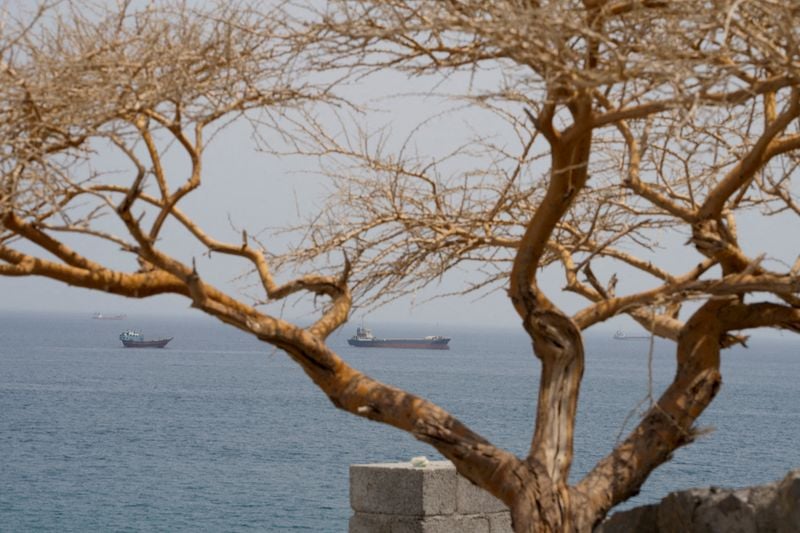
The Iran-side Hormuz file on 17 August 2026 did not narrow as the day went on. It thickened. The first post in the cited record, a Polymarket X account note at 13:12 UTC, relayed an Iranian statement that an "understanding" with Oman on a new Strait of Hormuz transit route had been reached. Five minutes later, CNBC reported a separate Iranian line: Tehran ruling out an interim-deal extension with Washington, threatening escalation, and oil prices rising on the headline. By 13:48 UTC, an Investing.com economic-indicators wire carried Iran threatening to go on the offensive in the Strait if diplomacy with Washington fails. At 15:17 UTC, Unusual Whales on X relayed the same Iranian line about the Oman agreement being nearly finalised. Then, after a roughly two-and-a-half-hour gap, the IRGC kill count landed at 17:41 UTC, and twenty minutes later at 18:01 UTC a UAE-owned tanker-seizure claim. Six signals, three postures, one strait, in the same calendar day.
The order is the story. The Oman track was published first; the threats and the tanker claim came after. Read in sequence, the diplomatic signal moved earlier in the news cycle than the coercive ones, not after them. Monexus assessment: the sequencing, not any single claim, is the news of the day.
The Oman track, and what "nearly finalised" actually buys
The Oman understanding was flagged at 15:17 UTC by the Unusual Whales account on X, and again by the Polymarket account on X at 13:12 UTC. Both posts relayed an Iranian statement that an agreement on shipping through Hormuz is nearly finalised. The word "nearly" is doing precise work. It leaves Tehran the option of pulling back the moment an escalatory signal is more useful than the diplomatic one, and gives Tehran a price tag on Hormuz access without an explicit binding mechanism in the cited record. Independent same-day reporting on this track, including an Al-Monitor piece citing Iranian Foreign Ministry spokesman Esmail Baghaei confirming the two sides are working on a joint statement, sits outside the cited thread but matters here: the Oman file reads less as a unilateral Iranian statement and more as an active bilateral process, with one of the two governments on the record by name. The cited posts themselves do not reproduce that on-the-record quote; they do establish that the diplomatic track was already in motion before the day's coercive lines.
What the cited posts do not establish is Oman's confirmation in its own voice on this channel. The thread evidence shows only Iranian officials describing a Muscat-brokered understanding as nearly done. Read against the same afternoon's broader picture, where the interim arrangement with Washington appears to be collapsing on CNBC's reporting, the Muscat channel is being held up by Tehran as a parallel route. Whether it functions as a serious corridor or as a managed signal, on the evidence in the cited posts, is a question those posts do not resolve.
The interim deal that fell through the morning
At 13:17 UTC, CNBC reported that the U.S.–Iran arrangement had been meant to keep the Strait of Hormuz open while the two sides negotiated a final deal on Tehran's nuclear programme inside a 60-day window. CNBC's reporting records Tehran ruling out an interim-deal extension and signalling escalation, and oil prices rising on the headline. The asymmetry is plain. An interim deal kept oil flowing through the chokepoint; its collapse concentrates leverage in the hands of the actor that can interrupt shipping. The 13:48 UTC Investing.com post, carrying an Iranian threat of offensive action in the Strait if diplomacy fails, sits inside the same CNBC frame and says out loud what the oil-price move was already pricing in.
The kill count the IRGC is selling
The IRGC's 200-aircraft claim, posted at 17:41 UTC, lands roughly two and a half hours after the Oman-track and interim-deal posts. It is the muscle behind the diplomacy, not the other way around. The figure is sourced to a party to the conflict via a channel with a sympathetic primary readership, and the cited posts do not contain independent air-war monitoring or third-party corroboration. Monexus assessment: the claim is doing coercive work in the same news cycle as the Oman track, advertising that the air-defence picture over the country is intact enough to make any Western air campaign costly. The fact that it lands after the diplomatic track is the point. Tehran is laying down a number to be quoted as the Oman file is being read.
The tanker claim, last in the stack
At 18:01 UTC, BRICS News on Telegram carried an Iranian claim that a UAE-owned oil tanker had been seized in the Strait of Hormuz. The post did not name the vessel; the cited thread does not specify a flag verification or any UAE port-state or ministry confirmation. The "UAE-owned" characterisation is an Iranian claim carried by that post, not an independently established fact in the available record. The twenty-minute gap between the IRGC kill count and the tanker claim is the closest thing in the day's record to a near-simultaneous burst, and the two travelled together into the news cycle.
The structural frame, in plain terms, is straightforward. Hormuz is no longer a single problem; it is a layered one. It is a shipping lane, a missile envelope, and a negotiation table, and Iran is the only actor that gets to operate across all three simultaneously. The U.S. can pressure the missile envelope; it cannot, on its own, run the shipping lane or the table. The 60-day interim arrangement reflected that. Its collapse, on CNBC's reporting, hands the next move to the side that can interrupt shipping first. The Oman track, on the same day's evidence, is the only thing in the cited record that another party can run alongside Iran.
The near-term stake is the oil price CNBC recorded rising on 17 August. The medium-term stake is more uncomfortable. If the Oman track delivers a working alternative corridor on terms Tehran can revoke at will, then the next negotiation cycle begins with Tehran holding both a chokepoint and a claimed bypass. That is the opening position the cited posts, read together, point toward. It is also a position that depends on facts the available record does not establish, and on what the U.S. does next in response.
What remains uncertain is the seam between the signals. The cited posts do not specify whether the UAE has formally protested the tanker claim, whether Oman's government has confirmed the transit understanding in its own voice on this channel, or whether the 200-aircraft figure has any provenance beyond the IRGC statement itself. Independent same-day reporting on the Oman track, including an Al-Monitor piece citing Foreign Ministry spokesman Esmail Baghaei on a joint statement, and Middle East Eye, i24NEWS, Firstpost and ASHARQ AL-AWSAT coverage of the same day, indicates the bilateral process is moving on more than Iranian statements alone. The cited posts do not contain that reporting; the available record leaves those threads thinner than the day actually was.
How Monexus framed this vs the wire: the cited wire lines ran three separate Hormuz stories in a single day; this publication treats them as one story with three payloads, and reads the same-day sequencing as the news. Editorial inferences about Tehran's sequencing, the meaning of "nearly finalised," and the structural leverage of the chokepoint are flagged in place as Monexus assessment rather than presented as sourced facts.
Wire provenance
This editorial synthesis draws on the following public wire/social posts:
- https://t.me/bricsnews/17728
- https://t.me/bricsnews/17727
- https://x.com/unusual_whales/status/2089370918523191579
- https://www.investing.com/news/economic-indicators/iran-threatens-to-go-on-offensive-in-strait-of-hormuz-if-diplomacy-with-us-fails-4863392
- https://www.cnbc.com/2026/08/17/oil-prices-iran-war-strait-hormuz.html
- https://x.com/Polymarket/status/2089339504280670566
- https://t.me/bricsnews/17728
- https://t.me/bricsnews/17727
- https://x.com/unusual_whales/status/2089370918523191579
- https://www.investing.com/news/economic-indicators/iran-threatens-to-go-on-offensive-in-strait-of-hormuz-if-diplomacy-with-us-fails-4863392
- https://www.cnbc.com/2026/08/17/oil-prices-iran-war-strait-hormuz.html
- https://x.com/Polymarket/status/2089339504280670566