Kellogg lands in Odesa as Ukraine prepares its Independence Day stage
The former Trump envoy walked Odesa Commercial Sea Port on the eve of Ukraine's 24 August anniversary. The visit reads as choreographed symbolism, but the substance behind it remains thin.
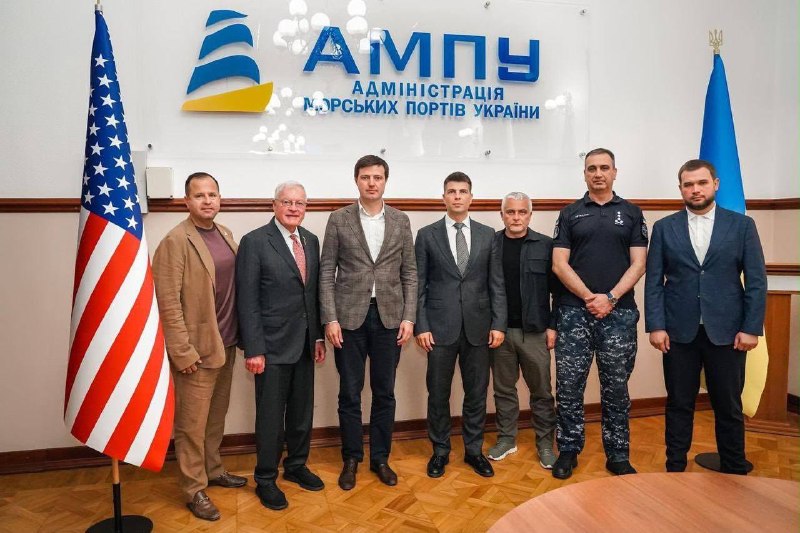
On 21 August 2026, Keith Kellogg walked the berths of Odesa Commercial Sea Port alongside a U.S. delegation, three days before Ukraine marks the thirty-fifth anniversary of restored statehood. Ukraine's Restoration Ministry said the visit began shortly after arrival and centred on damage to port infrastructure from Russian strikes, the ministry confirmed on its Telegram channel. The choreography is familiar: a senior American arrives in the days before a national holiday, the cameras go to a coastal landmark, and the message is one of presence. The substance, as so often with Kellogg's recent travels, is thinner than the staging.
What this article is about is the gap between the optics of American engagement with Ukraine and the diplomatic payload that usually follows. Kellogg is not a sitting official; he is a former special envoy whose title still travels with him in Ukrainian reporting and in the wider Washington commentariat. That distinction matters when reading each visit as a signal of where U.S. policy is heading rather than where it has arrived.
A port visit, on the calendar
The Restoration Ministry's post said Kellogg and the accompanying U.S. delegation inspected damage from Russian attacks on the port and discussed reconstruction, according to Kyiv Post's Telegram channel. Ukrainska Pravda reported his arrival in straightforward terms, framing the trip as connected to Independence Day. Hromadske's parallel post named the venue precisely: Odesa Sea Trade Port. Independent reporter Noel Reports, writing on Telegram, added that the delegation discussed unspecified reconstruction matters during the tour. Four separate feeds, one location, one day.
The four-source convergence is unusual. It tells the reader the visit happened, that Odesa port was the set piece, and that the Ukrainian government wanted it photographed. It does not tell the reader what was said in any closed-door session, what commitments were carried in either direction, or how the trip fits into any specific U.S. budget or arms-delivery decision. On those points, the cited posts contain no detail.
The symbolism of the Black Sea
Odesa is not a neutral choice of venue. The city's port is both a working commercial artery and a recurring target. A U.S. delegation walking the quayside on the eve of Independence Day makes a particular argument to two audiences: to Kyiv, that Washington has not looked away, and to Moscow, that Black Sea logistics remain inside the Western frame even as the wider war grinds through its fifth year. Monexus analysis: the port is a stage that costs almost nothing to use and conveys a great deal, which is precisely why it is used so often.
The harder question is what the visit actually shifts. Kellogg carries no negotiating mandate that any of the cited posts identify. He does not vote on aid packages, he does not approve munitions transfers, and he is not the channel through which any recent U.S. security decision has publicly travelled. The leverage he does retain is the ability to read a room in Kyiv and report back, in plain English, what he saw.
What the visit is not
It is worth naming what this trip is not, because the framing around it can drift toward inflation. It is not the announcement of a new U.S. aid tranche. It is not a security-guarantee signature. It is not, on the basis of the cited material, the prelude to a presidential visit. The four Telegram posts that this article draws on describe a port tour, a Ukrainian ministry willing to host it, and an arrival date timed to the national holiday. Anything beyond that is inference, and the sources do not invite it.
The structural read, in plain editorial language: the United States maintains a layered relationship with Ukraine, in which senior figures visit, deliver sentiment, photograph infrastructure, and leave, while the harder work of resupply and budget authorisation proceeds on a slower track in Washington. Visits like this one are the connective tissue. They keep the relationship visible between the consequential decisions. They are not themselves the consequential decisions.
Stakes and what to watch next
Independence Day itself, 24 August, is the obvious next marker. Whether senior American or European figures appear in Kyiv on the day, and at what rank, will be read as a temperature reading on the relationship. Beyond that, the autumn session of the U.S. Congress and any movement on a supplementary aid request will do more to determine Ukraine's position than any number of port tours. Kellogg's job, as far as the cited posts allow the reader to see, is to keep the channel warm until those decisions land.
What remains genuinely uncertain is whether this visit is part of a longer pattern of substantive re-engagement or whether it is the kind of trip that produces photographs and little else. The cited posts contain no signal either way on that question, and this article has not independently established what was discussed in any closed session. The next forty-eight hours of Ukrainian and U.S. official channels will tell the reader more than the visit itself did.
Desk note: Monexus frames this as a signal-bearing visit rather than a policy event, in line with our standing approach to Kellogg's travel: the staging is treated with full seriousness, the substance is held to what the cited posts actually show.
Wire provenance
This editorial synthesis draws on the following public wire/social posts:
- https://t.me/Kyivpost_official/38861
- https://t.me/ukrpravda_news/82747
- https://t.me/hromadske_ua/86809
- https://t.me/noel_reports/51456