AI is being woven into the operating layer of ads, compute, and finance on the same day
Five short relays filed within hours of each other on 21 August 2026, mostly via the Polymarket news wire, point in one direction: AI is moving from productivity feature to operating substrate across ads, infrastructure, and dealmaking.
At 21:42 UTC on 21 August 2026, a Polymarket news wire item reported that X had launched an "Ads MCP" allowing AI agents to directly create and manage advertising campaigns through conversation. Three hours earlier, at 20:57 UTC, the same wire relayed a U.S. electricians union leader calling the AI datacenter boom a "generational" opportunity for blue-collar workers. At 20:29 UTC, a HuggingModels post on X described a text-to-speech model pitched at voiceover, audiobook, accessibility, and chatbot developers. At 23:39 UTC, Polymarket relayed an as-yet-unsourced claim that the vast majority of AI datacenter resources are spent serving requests for robots versus humans. At 23:43 UTC, the same wire carried word that the SEC had charged a former senior Bank of America investment banker with insider trading, alleging a friend made $18.5 million in illegal profits. Read individually, each item is a small wire note. Read together, this publication's assessment is that they point in one direction: AI is moving from productivity feature to underlying substrate across ads, infrastructure, and dealmaking at the same time.
The structural argument is that the three layers are being rewired on parallel clocks. The ad stack is being opened to agents that can run buying loops without human review. The physical plant of compute is being built and politically defended on the premise that the workload will be large, durable, and trade-friendly. The talent that prices and routes that workload inside banks is being repriced in the same window. None of these claims is settled by the day's wires; each depends on a relay that the available source items do not fully substantiate.
The agent buys the ads
The clearest item in the cluster is X's reported Ads MCP. Per the Polymarket wire at 21:42 UTC on 21 August, the product allows AI agents to directly create and manage advertising campaigns through conversation. The post does not link to X engineering documentation or developer pages; it functions as a relay rather than a primary record. Monexus analysis: even at relay fidelity, the move, if it operates as described, changes who sits on the demand side of digital media. If an agent can run the create-budget-target-pause loop that a human marketing manager previously ran, then the unit of demand becomes the agent, not the team. The auction math, the creative shelf-life, and the compliance surface all move with that change.
The desk's expectation, framed as analysis: agentic buying would, on standard auction logic, raise the number of distinct bidders per impression and could compress creative half-life if optimisation cycles outrun human review. None of that is in the source post. The investor-grade test, when documentation surfaces, is whether the MCP exposes budget guards that prevent an agent from spending through a credit card in a single auction loop. That detail, not the launch post, will determine whether this is a productivity feature or a compliance problem.
The datacenter, and the politics of who builds it
At 23:39 UTC, Polymarket relayed a finding that the vast majority of AI datacenter resources are spent serving requests for robots versus humans. The post does not specify the underlying study, the definition of "resources," or the measurement unit; this article has not independently established whether the figure refers to inference tokens, GPU-hours, or revenue. Monexus analysis: if the framing is broadly correct, the dominant workload in the 2023-2025 buildout was consumer chatbot traffic that filled the marketing case for new builds. If the framing is off by an order of magnitude, the policy implications for grid planning, water use, and siting shrink accordingly. The available source items do not let the desk pick between those two reads.
The political half of the same story arrived at 20:57 UTC, when Polymarket relayed a U.S. electricians union leader calling for more datacenters and characterising the AI infrastructure boom as a "generational" opportunity for blue-collar workers. That framing only holds if the build pipeline stays open for a decade. The combination of an agent-heavy workload with a trades coalition publicly backing more capacity is the politically loaded fact in the cluster. Datacenter construction is one of the few places where capital expenditure, local political support, and union density line up on the same side. Monexus analysis: the next round of siting disputes is likely to turn as much on the electrician wage schedule and the apprenticeship pipeline as on water use and grid load. The same trade leader who backs more datacenters will also have a view on who staffs them.
The HuggingModels post at 20:29 UTC on 21 August described a text-to-speech model intended for voiceovers, audiobooks, accessibility tools, and interactive chatbots. The post functions as a product description rather than a verified model listing; this article has not independently established the model's release status on Hugging Face. As relayed, it is consistent with the broader substrate read: voice synthesis is moving from niche creative tool toward a default component of any agent that wants to talk. Audio output is becoming a feature of agent identity rather than a separate production discipline.
The talent market bends
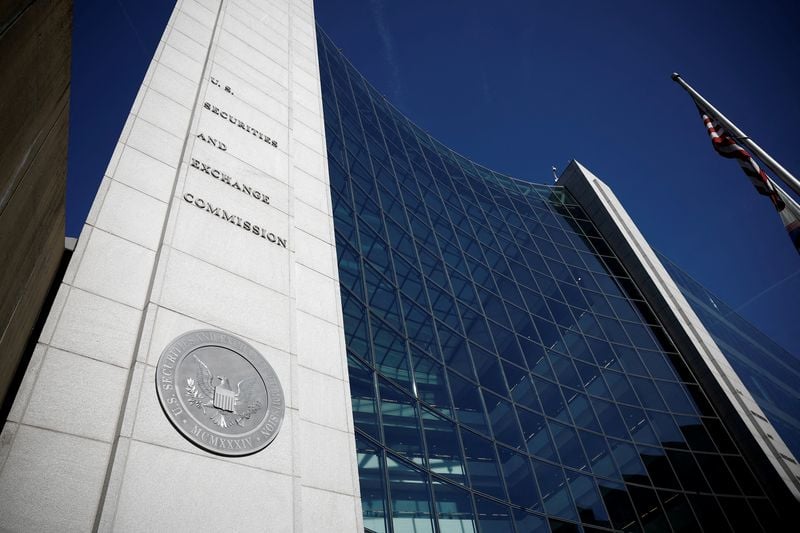
The SEC charge announced on 21 August against a former senior Bank of America investment banker, alleging that a friend made $18.5 million in illegal profits from a tip, was carried by the Polymarket wire at 23:43 UTC and separately by Investing.com. On its face it is an insider-trading story. The substantive detail is the profit figure; the personnel detail is more telling. The profit figure and the underlying allegation are reported, not adjudicated; the SEC's complaint states the allegation, and any resolution will come through the litigation.
The same day, at 15:25 UTC on 21 August, Investing.com reported that JPMorgan was hiring Bank of America's David Fishman as head of technology M&A, citing an internal memo. The Investing.com headline frames the move as a hire in progress rather than a completed personnel action; the available source does not specify a start date. Monexus analysis: the pattern fits a two-year arc in which bulge-bracket banks pay multi-year guarantees to senior bankers who can lead AI and cloud M&A. Bank-to-bank talent raids at that seniority level are not new; what the desk is watching is how compressed the price has become and how narrow the relevant experience pool now is.
This is where the three threads connect under the substrate read. If AI is becoming the substrate of advertising, the substrate of compute, and the substrate of finance deal flow, then the human roles that anchor those industries are being repriced at the same time. The banker who tips on a deal he heard about from a corporate client is, in a different week, the same kind of banker who prices the agentic ad startup. The legal exposure is older; the underlying asset class is new.
What the wires do and do not establish
Two empirical claims in this cluster are soft. The datacenter-robots claim arrives via a Polymarket news relay that does not specify the underlying study, the resource metric, or the time window. The available source items contain no link to a primary measurement; this article has not independently corroborated the figure. The X Ads MCP claim arrives in the same form: a relay describing the product's function, with no linked engineering post or developer documentation. The product as described may exist; the surface area available to evaluate it from the cited wires does not yet.
The structural read survives either uncertainty, because it is a pattern call rather than a measurement. AI is being woven into the operating layer of advertising, infrastructure, and finance simultaneously, and the people who build and buy those layers are being repriced as a result. The questions for the next reporting cycle are narrow and concrete: what fraction of datacenter tokens are agent-to-agent, what budget guards the new ad MCP exposes, and how the apprentice electrician pipeline is being scoped to meet the buildout that the union leader, on 21 August, was already demanding.
This piece was filed from a five-item Polymarket news cluster on 21 August 2026, supplemented by Investing.com on the SEC charge and the reported JPMorgan hire. Where a wire relay did not specify a primary source, that limitation is named in the body.
Wire provenance
This editorial synthesis draws on the following public wire/social posts:
- https://x.com/Polymarket/status/2090917517371805871
- https://x.com/Polymarket/status/2090946881568362707
- https://x.com/Polymarket/status/2090906094356807740
- https://x.com/HuggingModels/status/2090899005148647639
- https://x.com/Polymarket/status/2090947808845041940
- https://www.investing.com/news/stock-market-news/sec-charges-former-bank-of-america-investment-banker-with-insider-trading-4872120
- https://www.investing.com/news/stock-market-news/jpmorgan-hiring-bank-of-americas-david-fishman-as-head-of-technology-ma-memo-says-4871897
- https://x.com/Polymarket/status/2090917517371805871
- https://x.com/Polymarket/status/2090946881568362707
- https://x.com/Polymarket/status/2090906094356807740
- https://x.com/HuggingModels/status/2090899005148647639
- https://x.com/Polymarket/status/2090947808845041940
- https://www.investing.com/news/stock-market-news/sec-charges-former-bank-of-america-investment-banker-with-insider-trading-4872120
- https://www.investing.com/news/stock-market-news/jpmorgan-hiring-bank-of-americas-david-fishman-as-head-of-technology-ma-memo-says-4871897