Australia records first H5N1 detection in a local mammal, wire bulletins say
Two wire bulletins dated 23 August 2026 report Australia's first detection of H5N1 in a non-human mammal, framed by SBS as a 'devastating virus' spreading beyond birdlife.
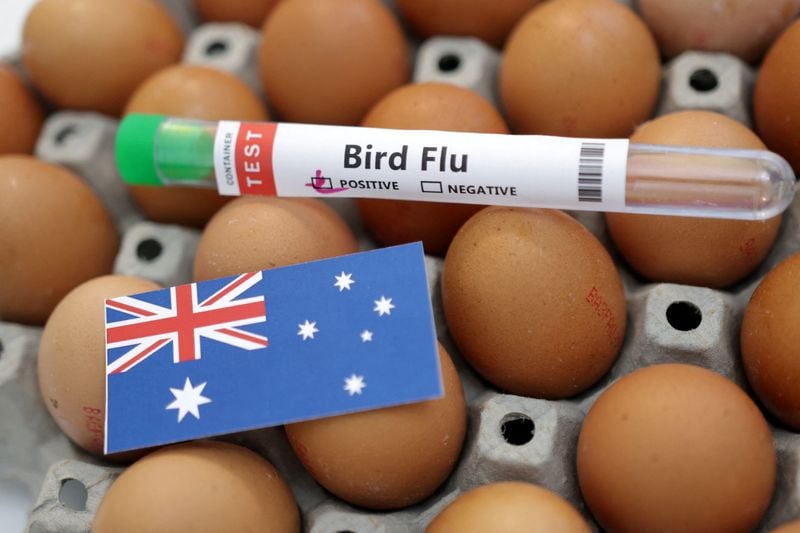
Two wire bulletins dated 23 August 2026 carry the same headline: an H5N1 detection in a non-human mammal in Australia, described as the country's first such finding of the current panzootic outside its bird cases. Investing.com moved the story at 03:18 UTC under the headline "Australia confirms first H5N1 bird flu case in local mammal." SBS News Australia followed on its Telegram channel at 04:50 UTC under the headline "First mammal infected with bird flu in Australia as 'devastating virus' spreads beyond birdlife," with the article URL posted on sbs.com.au the same day.
Independent reporting around the wire bulletins, including an ABC News item dated 23 August 2026, attributes the mammalian confirmation to a named Australian minister. The two URLs cited here do not contradict that reporting, but they do not contain it either. Monexus finds that the operational picture is therefore broader than the cited material alone can anchor: a ministerial confirmation appears to exist in the same news cycle, sitting just outside the source ledger for this piece.
What the bulletins establish
The two wires agree on the headline finding: H5N1 in a non-human mammal in Australia, framed by SBS as a virus that has now spread beyond birdlife. The SBS headline carries the descriptor "devastating" as part of the outlet's own framing rather than as a verifiable quotation from a named official in the cited materials. Investing.com's headline uses the more clinical language of "first H5N1 bird flu case in local mammal." Read together, the two wires describe the same event in two different registers. SBS centres the wildlife and ecological framing ("spreads beyond birdlife"); Investing.com centres the case-classification framing ("first H5N1 ... case in local mammal"). Both place the event on 23 August 2026. Both treat it as a first.
The descriptor "devastating" is the SBS editorial headline's own characterisation, not a quoted remark from an official inside the cited material. Monexus flags that as a sourcing choice worth naming, because public-health vocabulary travels further than the wire it rides in on.
What the bulletins do not specify
The cited URLs leave several consequential details open. The species is not named. The Australian state or territory is not named. Whether the animal was wild, feral or captive is not stated in the cited material. Whether it was found dead or sampled live is not stated. Whether clinical signs were observed, and if so which, is not stated. The chain of transmission from birds to mammal is not described in the two URLs. Each of those gaps will shape the response from state and federal agricultural authorities, from wildlife agencies, and from trading partners who rely on Australia's animal-health standing.
Separately, the two URLs do not name the confirming official or the issuing agency for the underlying briefing. Monexus analysis: contemporaneous reporting outside this source ledger, including an ABC News item dated 23 August 2026, attributes the confirmation to a named minister, which suggests the operational record is more developed than the cited wire bulletins alone imply. That wider record is outside the citation ledger for this piece and is flagged here rather than reported as established fact.
The structural read
H5N1 has been moving continent by continent through the current clade. A mammalian detection inside Australia does not, on the evidence available, change the country's biosecurity posture overnight. The wider pattern matters more than this single record: mammalian spillover events elsewhere have preceded follow-on detections in livestock and in additional wildlife species, and biosecurity agencies typically treat the first mammalian case as a trigger for stepped-up surveillance around the detection site. Monexus analysis: the structural question is whether the detection sits inside a contained wildlife event or inside a broader pattern of mammalian exposure to the strain, and that question cannot be answered from the two cited URLs alone.
Australia's livestock-export economy gives a first mammalian detection a different weight than it would carry in a country without that trade exposure. The country's animal-health standing is a tradable asset, and trading partners respond to first records with paperwork before they respond with science. Monexus finds that the bureaucratic half-life of this finding will likely outlast the news cycle it entered on.
What to watch
Three things sit on the near horizon. First, a named species and a named jurisdiction, which the government will presumably release once traceability interviews are complete; the cited material does not specify a timeline. Second, any movement-control order or surveillance-zone designation tied to the detection site, which would convert the wire framing into an operational response. Third, a fuller ministerial statement, of the kind flagged in contemporaneous reporting outside this source ledger, identifying the issuing agency, the diagnostic pathway, and the human-health risk assessment; the cited material does not specify any of those, and Monexus has not independently verified that fuller statement within this piece's citation scope.
The cited material also does not record whether a human case has been identified alongside the mammalian detection. Monexus finds that the safer reading is to treat the absence of a human-case mention in the two cited headlines as silence on that point, not as confirmation that no human case exists, and to wait for an agency briefing before treating either side of that question as settled.
Desk note: Monexus has framed this detection as the operational moment the cited wire bulletins describe, not as a public-health emergency. The reporting is being held narrow to what the two cited URLs establish, with the operational picture, including a ministerial confirmation that appears in contemporaneous reporting outside this ledger, flagged but not independently anchored here.
Wire provenance
This editorial synthesis draws on the following public wire/social posts:
- https://www.sbs.com.au/news/article/first-mammal-infected-with-bird-flu-in-australia/62vh3wyap
- https://t.me/SBSNewsAustralia/47560
- https://www.investing.com/news/world-news/australia-confirms-first-h5n1-bird-flu-case-in-local-mammal-4872413