Hormuz as leverage: Iran's gas find, Iraqi oil pass, and the 13% deal odds
A fresh gas discovery, a selective Iraqi oil passage through Hormuz, and a 13% Polymarket price on a US deal point to the same strategy: Tehran is monetising control of the chokepoint one tanker at a time.
At 12:33 UTC on 23 August 2026, the BRICS News channel on Telegram carried a one-line dispatch from Tehran: Iran has announced a major natural-gas discovery worth, in the regime's own framing, "tens of billions of dollars." The number is unsourced outside the announcement, and the field's location was not specified in the post. Treat it as a headline, not an audit.
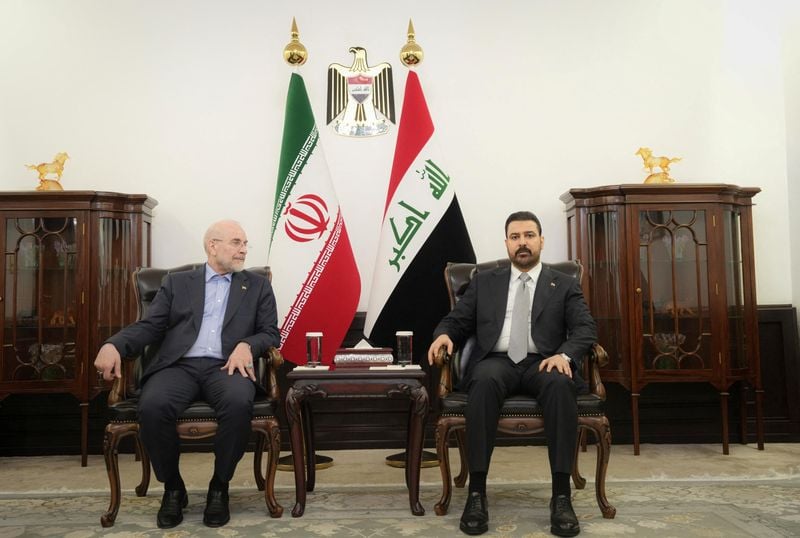
Read against the day's other wires, the timing is the story. At 17:14 UTC on 22 August, Polymarket priced a US-Iran deal on the Strait of Hormuz by the end of next month at 13%. Three hours later, Iran publicly accused the United States of pursuing "full-scale classic colonialism." Hours after that, Iran granted Iraqi oil tankers special permission to transit the Strait of Hormuz, per Investing.com. Each move lands on the same board.
The chokepoint is the asset
The Strait of Hormuz is a transit choke that, when tightened or loosened selectively, moves global benchmarks within hours. Tehran does not need to close it. It needs only to charge for using it. Granting Iraqi tankers selective passage, while leaving other flags in legal limbo, is the cleanest demonstration of that power in 2026. The market read it as tactical, not strategic: traders priced the deal at 13% because they see Tehran holding the lever, not because they expect Washington to pull it.
Discovery, then diplomacy
The sequencing matters. Announce a domestic gas find on a Saturday; accuse the United States of "full-scale classic colonialism" the same afternoon; quietly certify Iraqi tankers through the Strait the next morning. Each item, on its own, is a footnote. Together they sketch a familiar Tehran playbook: demonstrate resource sovereignty at home, name the external enemy abroad, then convert control of transit into diplomatic oxygen. Monexus analysis: the regime's gas find, if the "tens of billions" framing holds, gives Tehran a domestic substitute for the export revenue it bleeds through sanctions. The Hormuz permission gives Baghdad a quiet win; the colonial-rhetoric line tells Washington the price of a deal has gone up, not down.
What the counter-reading sees
The Western-wire read of this sequence is that Iran is signalling, not acting: a gas announcement with no named field is a domestic-audience press release, and a transit permission for a single neighbour is below the threshold of a concession. On that view, the 13% Polymarket price is roughly right: Tehran wants relief but not enough to give Washington a victory, and the gestures are calibrated to extract small sanctions easing without structural change. There is genuine evidence for this read. The colonial-rhetoric line is the kind of maximalist framing Tehran uses when it intends to negotiate from a harder floor, not a softer one.
Monexus assessment
Our read: the day's three moves are not independent. The gas find is leverage the regime did not have two weeks ago. The Iraqi transit is the first monetisation of that leverage. The 13% deal price is the market's honest answer to the question of whether Washington can extract a structural concession from a counterpart that now has both an energy narrative and a chokepoint card. The structural pattern is familiar: an incumbent hegemon faces an adversary that has run out of easy concessions and is now selling access, not buying it. Tehran's position is weaker than its rhetoric suggests, and Washington's position is weaker than its rhetoric suggests; the chokepoint is where those weaknesses meet. The Polymarket price is not a forecast of failure. It is a forecast that the next move belongs to Tehran.
Stakes
If the trajectory holds, Iraq gets paid in transit guarantees, China and India keep buying discounted crude under opaque arrangements, and the United States absorbs a slow erosion of the maritime rules-based order it built in the 1980s. If Washington succeeds in pulling a deal across the line, the gas find gets re-priced as a bargaining chip rather than a strategic asset, and the regime's domestic narrative takes the hit. Neither outcome is in the 13%. The interesting question is who blinks first when the next Iraqi-flagged tanker is held in limbo.
Desk note: this article treats the BRICS News Telegram dispatch as a primary signal of Iranian state intent rather than a verified reserve estimate, and reads the Polymarket contract as a market-implied probability rather than a forecast. Monexus framed the day's three moves as a single sequence; most Western wires reported them as separate items.
Wire provenance
This editorial synthesis draws on the following public wire/social posts:
- https://t.me/bricsnews/17815
- https://www.investing.com/news/commodities-news/iran-grants-permission-for-a-number-of-iraqi-oil-tankers-to-pass-through-hormuz-4872318
- https://x.com/Polymarket/status/2091212379979669583
- https://x.com/Polymarket/status/2091200725367812098
- https://x.com/Polymarket/status/2091213056563122642
- https://t.me/bricsnews/17815
- https://www.investing.com/news/commodities-news/iran-grants-permission-for-a-number-of-iraqi-oil-tankers-to-pass-through-hormuz-4872318
- https://x.com/Polymarket/status/2091212379979669583
- https://x.com/Polymarket/status/2091200725367812098
- https://x.com/Polymarket/status/2091213056563122642