Putin's 'Pandora's box' and a 300,000-troop warning: read the announcement, not the headline
A Polymarket flash and a Putin remark on economic-target strikes point to a familiar Kremlin reflex: announce, then escalate. The 300,000-troop autumn warning, attributed by other outlets to Zelenskyy, is best read as political preparation dressed as intelligence.
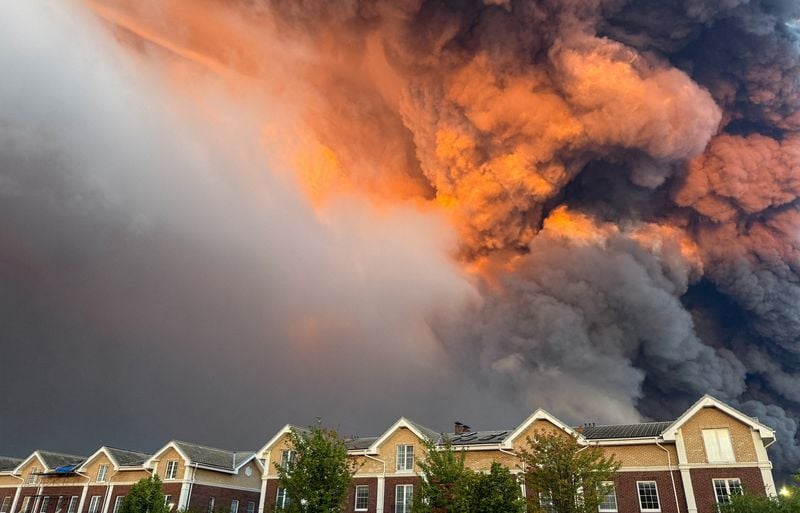
Vladimir Putin used the phrase "Pandora's box" on 22 August 2026 to describe Ukrainian strikes on Russian economic targets, in remarks relayed by an Investing.com news brief on the same day. Roughly a day later, the prediction-market venue Polymarket posted twice to its official X account, at 16:15 UTC and 16:24 UTC on 23 August, with the line: "BREAKING: Ukraine believes Putin will draft 300,000 additional troops after Russia's September elections." Two data points, one direction of travel. The Kremlin is signalling that the war is widening, and it is using the language of grievance to dress that widening as a reaction rather than a choice.
The honest reading is uncomfortable. Ukraine is the invaded party. That is the international-law baseline and the frame any further analysis has to start from. The invaded party's reading of the invader's intentions is itself worth taking seriously, because Kyiv has had the better track record on Kremlin sign-reading for four years. A 300,000-troop autumn draft would not be a reaction to Pandora's box. It would be the next instalment of a war economy that has run almost continuously since the full-scale invasion in 2022, with the September regional vote as the natural moment to paper over the cost with patriotic language. The available source items do not specify which Ukrainian official or institution supplied the assessment; reporting from outlets not in this thread's source set, including Kyiv Post, has attributed the warning publicly to President Volodymyr Zelenskyy, and the Polymarket relay should be read against that broader attribution rather than as an anonymous leak.
What "Pandora's box" actually tells us
Putin's complaints about Ukrainian long-range strikes on Russian economic targets, as relayed by Investing.com on 22 August 2026, are not new. The framing has rotated through "terrorist", "NATO proxy", and now the more literary Pandora motif, but the underlying claim is consistent: Ukraine is striking inside Russia, and Moscow wants that to stop. The interesting move is the rhetorical packaging. Pandora is a story about unleashing something you cannot put back. It is the language of victimhood, of an irreversible threshold crossed by the other side. That is a tell. Authoritarian incumbents who feel they are winning do not borrow Pandora. They borrow victory.
The implication is that the Kremlin's autumn play is not a counter-offensive in the military sense. It is a narrative operation designed to license a larger mobilisation round to a Russian public whose tolerance for the war, by independent reporting from inside Russia since 2023, has frayed even as outward support is maintained. Pandora's box lets the speaker say: we did not want this, but they left us no choice. It is a permission structure. Monexus assessment: the remark is best read as the rhetorical preparation for a domestic announcement, not as a substantive policy reveal.
The 300,000 figure, treated with the scepticism it deserves
Two Polymarket posts on X on 23 August 2026, at 16:15 UTC and 16:24 UTC, both carry the same line: Ukraine believes Putin will draft 300,000 additional troops after Russia's September elections. The duplication is itself worth noting. Polymarket's official account is the venue, not the originator; the underlying claim, as posted, is attributed in generic terms to a Ukrainian source that the cited post does not name. Coverage from outlets not included in this thread's source set, including the Kyiv Post and other Ukrainian-aligned reporting, attributes the figure publicly to Zelenskyy, and the wider attribution record matters: a presidential warning carries different weight than an unnamed one, and the headline the Polymarket relay produced flattens that distinction.
Monexus analysis: the 300,000 figure should be read as a Ukrainian warning, not as confirmed Russian intent. Prediction-market feeds aggregate headlines; they do not generate intelligence. The figure is, at present, a single relayed claim in the cited posts, and this article treats it as such. The Polymarket posts do not specify timing, force structure, or whether the figure includes reservists, contract soldiers, or a fresh conscription cohort. The available source items do not specify those details either, and this article will not paper over the gap.
What the Western frame usually misses
The dominant wire line on this story will, predictably, treat the 300,000 figure as a fresh shock and the Pandora remark as evidence of escalation fever. Both are true and neither is the point. The structural question is what a larger Russian active-duty pool buys Moscow strategically. Monexus analysis: in a war of attrition against a smaller population, raw bodies do matter, and Ukraine's demographic position is genuinely tighter. But raw bodies do not solve Russia's actual battlefield problem, which is mobility, artillery-counter-battery performance, and the ability to concentrate combat power in a sector without leaving another one hollow. Those are doctrine and command problems, not conscription problems, and a 300,000-troop draft does not fix them.
The less comfortable reading is that 300,000 is a political figure, not an operational one. A draft of that size, announced after the September vote and framed as a response to Pandora's box, would do three things at once: refill the recruiting pipeline under patriotic cover, normalise a wartime economy for another eighteen months, and signal to Kyiv and to European capitals that Moscow is settling in for a long winter. It is a posture, aimed at the European political calendar as much as at the Donbas front. Zelenskyy's public attribution of the figure, as carried in reporting outside this thread's source set, sharpens that reading: a presidential warning is itself a political instrument, designed to land before European budget sessions and donor conferences, not after them.
What to watch next
Three dates carry weight in the next thirty days. First, the Russian regional election cycle itself, which the Polymarket post frames as closing in September. The Kremlin's information environment usually tightens in the seventy-two hours before a vote, and any reference to a forthcoming "security decision" by senior officials should be read against that backdrop. Second, the autumn Federal Assembly budget session, typically late September, where defence spending is repriced for the coming year. Third, the first round of independent Russian-language reporting on regional recruitment figures, which historically lags any Kremlin announcement and is the cleanest read on whether the 300,000 target is operational reality or headline figure.
If a large mobilisation materialises at the upper bound, the European policy implication is straightforward: Ukraine's ammunition and long-range strike needs rise faster than its donor base is currently set up to deliver. If it materialises at the lower bound, or as a quiet extension of the existing contract-soldier system, the political signal still lands, and European donors still face the same underlying question about the depth of their commitment. Either way, the Pandora frame tells you the Kremlin is preparing to ask its own population to absorb a cost it has been postponing, and that is the story worth tracking before the troop numbers themselves.
Desk note: Monexus treats the 300,000 figure as a Polymarket-relayed Ukrainian warning rather than confirmed Russian intent, and notes that reporting from outlets outside this thread's source set, including Kyiv Post, publicly attributes the warning to President Zelenskyy. The Pandora remark is sourced via Investing.com, which itself relays wire reporting; the underlying wire attribution is not specified in the available source items. Where wire coverage runs the 300,000 headline without the polling, budget-session, and first-party attribution context, this article adds the structural frame.
Wire provenance
This editorial synthesis draws on the following public wire/social posts:
- https://x.com/Polymarket/status/2091559845363171677
- https://x.com/Polymarket/status/2091562112560578744
- https://www.investing.com/news/commodities-news/putin-says-ukraine-opened-pandoras-box-with-strikes-on-economic-targets-4872370