The 9.39-second machine, and what the Beijing showcase does and does not prove
A humanoid robot named Tianzhuo ran 100 metres in 9.39 seconds at the World Humanoid Robot Games in Beijing on 23 August 2026. Hindustan Times flagged that the conditions were not directly comparable to a human sprint. Read past the clip, and the event itself looks like the more durable story.
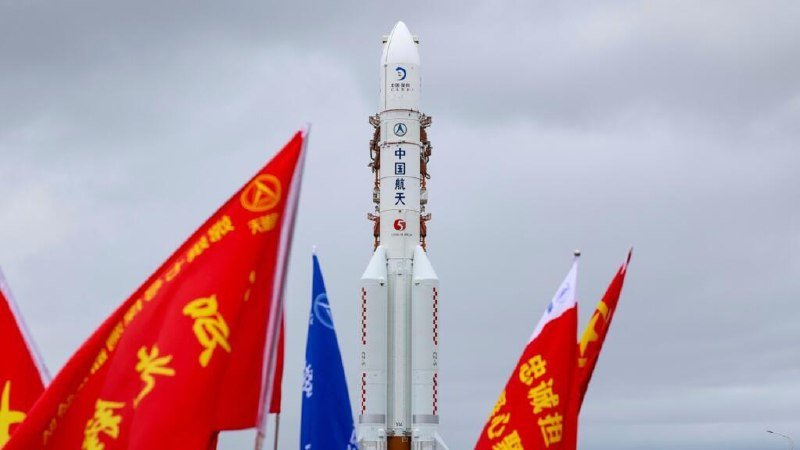
A humanoid robot identified as "Tianzhuo" ran 100 metres in 9.39 seconds at the World Humanoid Robot Games in Beijing on 23 August 2026, according to a same-day Polymarket post on X. Hindustan Times, reporting on the same day via Telegram, framed the run as faster than Usain Bolt's human world record and explicitly noted that the conditions were not directly comparable to a human athletics sprint. The number does the viral work on its own. The interesting question, once you put the clip down, is what the same showcase actually demonstrates, and what it does not.
The 23 August 2026 programme is broader than the sprint. Reuters, in its X post of the same day, lists 51 events spanning athletic tests and scenario-based challenges set in factories, restaurants and emergency-response environments. CGTN's same-day X coverage describes robots trading blows in a boxing ring, racing in the 100 metres and performing tai chi. Hindustan Times puts the field at more than 2,000 robotic athletes competing in Beijing on the same day. The mix is the point: the showcase pairs broadcast-friendly sprints and combat with operational-looking scenario tests in the same programme.
The 51-event catalogue
Read the Reuters list as a survey rather than a sports schedule. The 23 August 2026 X post enumerates 51 events and explicitly groups them into two registers: athletic-style contests (the 100 metres, boxing, tai chi and similar) and scenario-based challenges staged inside factories, restaurants and emergency-response settings. CGTN's same-day X post names the combat, sprinting and tai chi format. Hindustan Times lists "raced, played football, danced and battled" among the day's events.
What the cited items do not specify is the weighting. The available source items do not state how many of the 51 events are athletic versus scenario-based, what scoring systems apply, or which bodies ran each category. For now, the catalogue is the most defensible factual claim about the games, and it is broad enough to deserve a closer read than the sprint will get.
A name the cited sources do not fully settle
The most cautious reader should pause at the name on the back of the jersey. Polymarket's 23 August 2026 X post identifies the sprinter as "Tianzhuo," and that is the name that has propagated across the same-day English-language clip ecosystem in the cited material. The available source items do not specify whether "Tianzhuo" is the designation used by the team, the event organisers, or a translation. The Hindustan Times Telegram post of the same day frames the run as a record-beater but does not adjudicate the robot's name or the timing methodology. Reuters' 23 August X post confirms the 51-event structure and the scenario-based categories but does not name the sprinter. For now, "Tianzhuo" is best treated as the name in circulation in the cited posts, not as a verified identifier across the event.
What the Western frame tends to undercount
The default English-language read on a televised Chinese humanoid showcase is that the clips do not survive contact with a real factory floor, and the critique has real teeth: a sprinting humanoid and a humanoid that can stack boxes for ten hours without falling are different products, and the gap between the two is where most scepticism rightly lives. That is a fair reading of the sprint number itself.
Monexus analysis: the framing that treats the showcase as pure theatre undercounts the operational half of the 23 August 2026 programme. Reuters' X post of the same day explicitly lists scenario-based challenges staged in factories, restaurants and emergency-response environments, and CGTN's same-day X post frames the combat, sprinting and tai chi as live demonstrations of hardware capability. The cited material does not establish commercial deployment, unit economics, or fleet-scale deployment, and this publication is not asserting any of those. What the cited material does support is the narrower point that the games stage operational-looking categories alongside the sprints, which is a different event design than a pure athletics demo.
Why the conditions matter
The 9.39-second figure, as reported on 23 August 2026 by Polymarket's X account, has not been independently corroborated by an athletics-governing-body timing protocol in the cited posts. The available source items do not specify the wind reading, surface standard, whether the robot used standardised humanoid dimensions, or whether the timing was conducted under the same conditions that govern human sprint records. Hindustan Times' same-day report frames the run as a record-beater and explicitly notes that the conditions were not directly comparable to a human athletics sprint, a caveat that belongs at the top of any honest version of this story. Reuters' 23 August X post confirms the 51-event structure and the scenario-based categories but does not adjudicate the sprint.
What can be audited from the cited material is narrower than the headline: a Beijing-hosted games on 23 August 2026, more than 2,000 robotic athletes listed by Hindustan Times, 51 events per Reuters, scenario-based categories in factories, restaurants and emergency-response environments, and a 9.39-second 100-metre figure attributed to a robot named Tianzhuo in the Polymarket post. The sprint will dominate the clips. The factory-floor events, and the question of whether the cited source items are naming the same robot the same way, are the parts to settle first.
Monexus wrote this in a sharper register than its usual news copy. The robotics beat is moving quickly, and the gap between viral moments and operational reality is where the next investment cycle will be made or lost, but the comparison on the sprint is not a clean one, and the robot's identity is not yet a settled fact on the public record as captured in the cited sources.
Wire provenance
This editorial synthesis draws on the following public wire/social posts:
- https://x.com/Polymarket/status/2091371623597171053
- https://t.me/hindustantimes/39917
- https://x.com/Reuters/status/2091527126659068344
- https://x.com/CGTNOfficial/status/2091505735955890639