Bonnaroo takes 2027 off, citing storm damage to its Manchester grounds
The Tennessee camping-music festival will skip 2027 to let its storm-damaged Manchester grounds recover, with a 2028 return on the books.
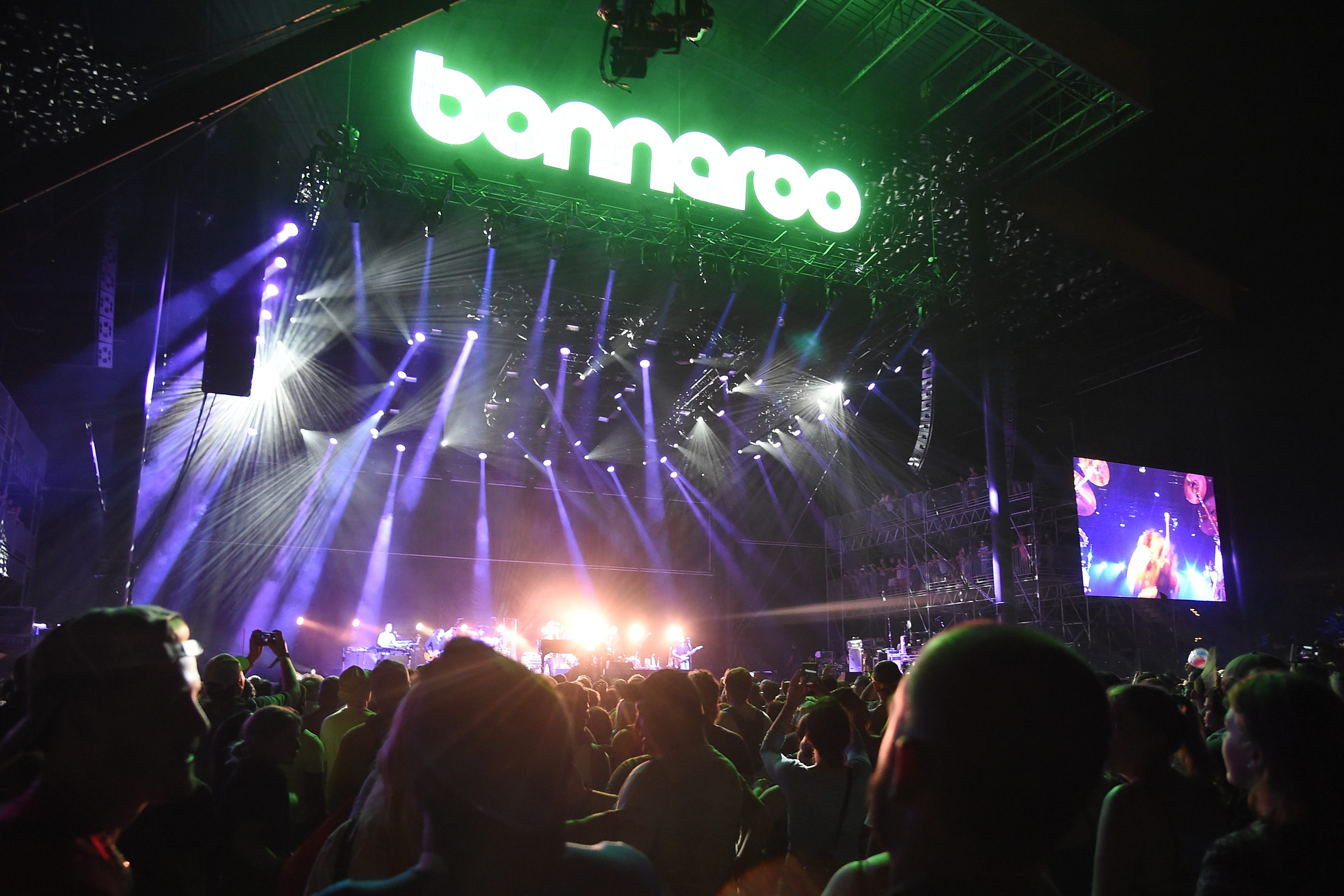
On 21 August 2026, the operators of Bonnaroo Music & Arts Festival announced that the long-running Tennessee camping-music event will not stage an edition in 2027, citing storm damage to its Manchester, Tennessee grounds, known as The Farm. A 2028 return is on the books.
The decision, carried in Pitchfork's 21 August 2026 report and relayed by the outlet's Telegram channel the same afternoon, reframes the live-music industry's relationship with its outdoor infrastructure. A weather-driven pause of this kind sits in a different category from the financial-failure cancellations that have dominated festival-news coverage in recent seasons, and the difference matters for the rest of the outdoor-circuit calendar.
The farm needs a year
Bonnaroo sits on a site in Manchester, Tennessee that operators call The Farm. According to Pitchfork's 21 August 2026 reporting, the grounds have been left in poor enough condition by storm damage that the organisation has elected to sit out a full year. The framing in the announcement is one of letting the land recover before a 2028 return.
The Pitchfork report frames the decision as a question of letting the land recover before a 2028 return; it does not itemise the cost of repairs or name the specific storm events that did the damage. The available source items do not specify which seasons produced the damage, the scale of repairs required, or whether any insurance mechanism is in play.
The framing is significant for a festival whose pitch has always been the site itself: the camping, the long hours, the open fields. To hear the operators concede, on the record, that the farm needs a year off is to acknowledge that the festival's most distinctive asset is also its most exposed.
The economics of standing down
For most of the past decade, the dominant festival-failure story has been a financial one: cancellations of headliners, the slow-motion retreat of several mid-tier regional festivals, the consolidation of the touring business around a smaller number of larger players. A weather-driven pause sits in a different category, and that difference matters for the rest of the industry.
Monexus analysis: the structural read is straightforward. The festival circuit has been absorbing two pressures at once, the rising cost of staging a multi-day camping event and the kind of severe weather that physically damages a site. Bonnaroo's announcement collapses those two pressures into a single decision. That makes the break a data point for every operator running a fixed outdoor site: when the land itself starts to fail, the calculation that previously said "push through" starts to say "pause".
The available reporting does not specify the financial hit from the lost year, nor whether ticket-holders will see any rollover or refund treatment. It names the 2028 return as the next confirmed event but does not specify lineup, dates, or capacity.
What a year off actually changes
The practical consequences for ticket-holders, touring artists and the Manchester local economy are not fully spelled out in the initial reporting. Tennessee's Bonnaroo economy, hotels in nearby towns, the small businesses that gear up each June, depends on the festival's reliably landing on the calendar in mid-June. A 2027 hole in that calendar is a hole in regional summer revenue, with no obvious fill.
For artists, the disappearance of a Bonnaroo year is a smaller but still real reshuffling: a stage that many mid-tier acts use as a summer anchor is gone from the routing. For the festival's own brand, a one-year pause is, on balance, defensible. It is the kind of move that signals the operators are willing to subordinate short-term revenue to longer-term operational health.
A weather-shaped calendar
The most honest reading of the announcement is also the simplest: an outdoor festival has been worn down by the weather, and the operators have chosen repair over revenue. That choice says something the rest of the outdoor-circuit calendar will have to absorb, because the pattern Bonnaroo is reacting to is not unique to Tennessee. Severe-weather frequency across the American South has been a recurring feature of recent festival seasons, and the outdoor-festival segment of the live-music economy is structurally exposed to it.
Whether the 2028 return arrives on the timeline the operators have sketched is the obvious question. The 2027 pause is now on the public record; the next data point will be whether Bonnaroo confirms dates and a lineup on a credible 2028 calendar. Until then, the festival joins a small and unglamorous club of American music institutions that have publicly stopped, for a year, to let the land catch up with the schedule.
This publication framed the announcement around the site-damage rationale Bonnaroo gave on the record, and treated the 2028 return as the operators' stated plan rather than as confirmed fact. Where the available reporting does not specify ticket, refund or economic-impact details, the article has said so rather than inferred.
Wire provenance
This editorial synthesis draws on the following public wire/social posts:
- https://pitchfork.com/story/bonnaroo-is-taking-2027-off/
- https://t.me/pitchfork/29364
- https://ift.tt/Dbrets
- https://ift.tt/Dbretsf