Tehran's 45-vessel blacklist and the price of Hormuz
Iran's new Strait Authority has named 45 tankers it accuses of breaching transit rules. The list lands on the same morning Geneva was meant to seal a US-Iran accord, and it tells you which side thinks it is negotiating from strength.
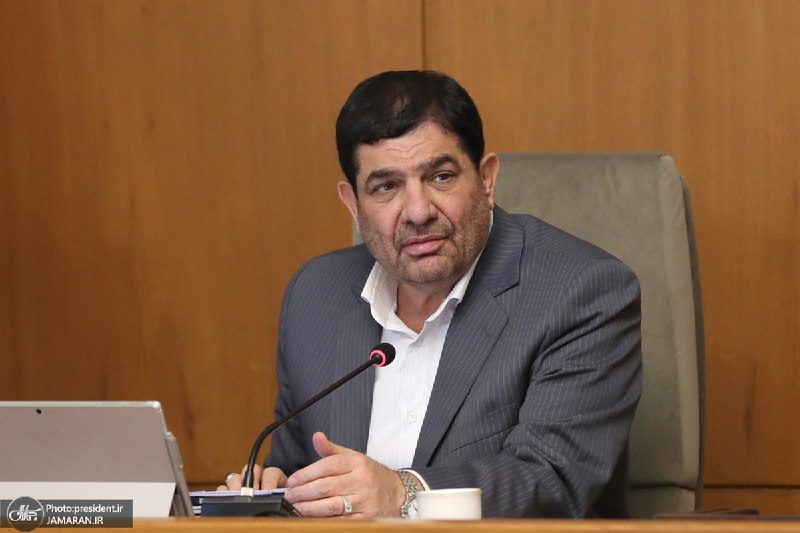
On 24 August 2026, Iran's newly established Strait of Hormuz Authority published a 45-name blacklist of tankers it accuses of breaching the country's transit regulations. According to Middle East Eye reporting on the announcement, the move marks what The Cradle, in its Telegram coverage, called the Authority's first public slate under a regime of fines and detention for vessels that disregard Iranian rules in the chokepoint. By 10:43 UTC the same day, Investing.com's commodities desk had carried the story, a signal that the announcement had cleared into the trading screens of the global oil complex on the morning of a scheduled Geneva accord signing.
Our assessment: the timing is the news. The blacklist lands on the day negotiators were meant to put pen to paper in Switzerland, and it tells you which side of the table thinks it is bargaining from strength. The threat to fine or detain is the threat, not the act. The point is to make every owner, charterer, and underwriter pause before the next voyage, before Geneva ink dries.
What the Authority actually announced
The Strait of Hormuz Authority, described by The Cradle's Telegram channel as Tehran's new Strait Authority, named 45 vessels on 24 August and warned that future breaches would trigger fines and detention. Middle East Eye's live coverage added that Tehran said it would take action against future transits and against any vessels transferring loads with the blacklisted ships, a second-order clause that, in our read, is aimed at the simplest sanctions-evasion workaround in the Gulf of Oman.
Investing.com's commodities desk treated the move as a market event first and a diplomatic event second: tanker stocks and freight indices moved on the news, per the outlet's reporting at 10:43 UTC. The available source items do not specify which owners, operators, or flag states are on the list, nor do they record any physical detention, boarding, or fine as of 24 August.
The Geneva backdrop
The same Middle East Eye live feed that carried the blacklist is built around the headline that the US and Iran have confirmed a peace-accord signing set for Friday in Geneva. The available thread evidence records the announcement and its framing; the body of that live page beyond the headline is not in the materials reviewed for this piece. Our assessment: the overlap of a maritime enforcement slate with the signing day is more easily read as signal than coincidence. Tehran is signalling to Washington that whatever document the two sides initial in Switzerland, the operating environment in the Strait will continue to be set from Tehran.
The Western commodities framing, as filtered through Investing.com, treats the blacklist as an escalation in a market-sensitive corridor. The Iranian-aligned framing, as filtered through The Cradle's Telegram channel, presents the slate as the new Authority's opening enforcement action under rules Tehran set out earlier in 2026. Both can be true. A government that controls the chokepoint and is willing to publish names has more cards in a sanctions-relief negotiation than one whose only move is to ask politely for unfrozen assets.
Who carries the cost
The list is published, but the burden falls on specific parties. Shipowners exposed to Persian Gulf liftings will now need to check each fixture against Tehran's register, or risk detention that voids the voyage's economics. Insurers already nervous about Hormuz war-risk premiums will be re-pricing. Refiners that relied on lightering and ship-to-ship transfers in the Gulf of Oman will need new supply chains. None of these players are at the table in Geneva, which is the point of publishing names rather than policies.
There is a counter-reading worth naming. The blacklist could be a negotiating chip, not a policy. A list that is published can be unpublished. A detention threat that is invoked can be deferred. From that vantage, the move is theatre staged for a Washington audience that needs to be able to show its Gulf clients that Iran is co-operating on maritime rules in exchange for sanctions relief. Our assessment: this reading is the weaker one. Tehran did not need to publish names to play theatre. Publishing names is the action of an actor preparing to enforce.
What to watch next
Three concrete indicators will tell you whether the blacklist hardens into a regime or dissolves into a bargaining position. First, whether any named vessel is physically boarded, fined, or detained before the Geneva signing referenced in the Middle East Eye headline. Second, whether the US Treasury's OFAC responds with new designations on Iranian-linked shipping entities, an escalation that would move in lockstep. Third, whether major Asian refiners adjust their August and September lifting programmes in response. The sources reviewed for this article do not specify any of these responses; they document the announcement, the rules the Authority invoked, and the market reaction to the news.
The Strait of Hormuz is the most consequential stretch of water in the global economy, and the new Authority has chosen its first public slate with an audience larger than itself in mind. Whether the list hardens or dissolves is the question Geneva is now being asked to answer.
Desk note: Western commodities coverage framed the blacklist as a market-moving irritant to the Geneva deal; The Cradle framed it as the new Authority's first enforcement slate. Monexus read both, then weighted the public naming of vessels over the private incentives to negotiate, and called it as enforcement posture with diplomatic cover.
Wire provenance
This editorial synthesis draws on the following public wire/social posts:
- https://www.middleeasteye.net/live/live-us-and-iran-confirm-peace-accord-signing-set-friday-geneva
- https://t.me/TheCradleMedia/66736
- https://www.investing.com/news/commodities-news/iran-threatens-45-tankers-with-fines-confiscation-in-hormuz-escalation-4873062
- https://x.com/MiddleEastEye/status/2091918871779246303
- https://www.middleeasteye.net/live/live-us-and-iran-confirm-peace-accord-signing-set-friday-geneva
- https://t.me/TheCradleMedia/66736
- https://www.investing.com/news/commodities-news/iran-threatens-45-tankers-with-fines-confiscation-in-hormuz-escalation-4873062
- https://x.com/MiddleEastEye/status/2091918871779246303