Iran's IRGC and the Telegram recruitment pipeline: what the open-source channels are actually alleging
Two Telegram items dated 29 August 2026 allege the IRGC runs a covert overseas-recruitment unit called Unit 4000 that uses Telegram and crypto payments. The sourcing is thin, the chain of attribution is reversed in earlier reporting, and primary verification is still missing.
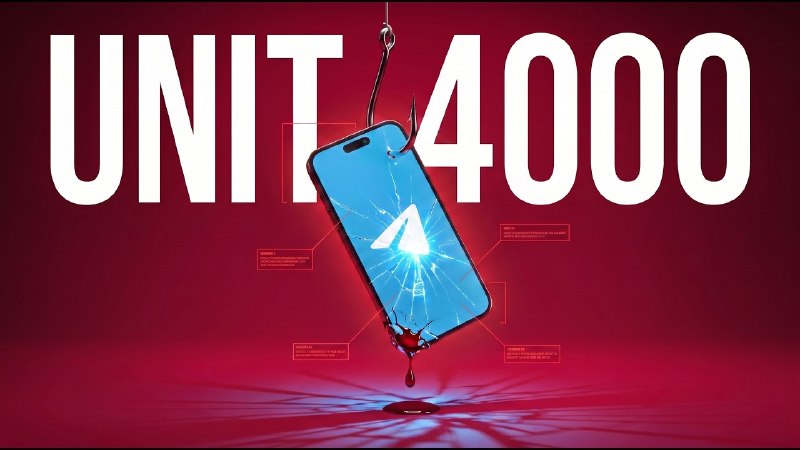
On 29 August 2026, two short items on the Open Source Intel Telegram channel put a name to a unit most readers have not previously encountered in the open-source literature: Unit 4000, described as an Islamic Revolutionary Guard Corps cell whose remit is to recruit foreigners through Telegram, starting with small crypto payments and escalating toward intelligence tasks. The earlier of the two items, posted at 18:33:08 UTC, is a retweet of an Osint613 post making the same core claim. The later, posted at 19:03:23 UTC under the Open Source Intel byline, restates the allegation in the channel's own voice and links to a longer video explainer. The combined picture carried by these two items is that Telegram, not a dead-drop or a closed forum, is the surface where the alleged funnel is run, and that crypto, not a bank wire, is the bait.
The pattern, on the limited source set available, sits at the seam of three policy conversations that have otherwise been reported in isolation: platform governance on large chat apps, sanctions evasion via dollar-adjacent crypto rails, and the credibility of open-source channels as counter-intelligence leads. What the Telegram items reviewed here do, and what they do not do, is the news.
What the two Telegram items actually contain
Both items are short. The 18:33:08 UTC post is a retweet of Osint613, the account that originated the Unit 4000 framing in the cluster; it carries the same line that the IRGC has a secret unit tasked with recruiting ordinary people abroad through Telegram, beginning with small crypto payments and escalating to espionage. The 19:03:23 UTC post is an Open Source Intel original, written in the channel's own voice, and repeats the same allegation in fuller prose: the IRGC uses Telegram to build networks overseas, with Unit 4000 behind the operation, targeting potential recruits with crypto payments before steering them toward intelligence gathering. Both items link to the same longer YouTube video; the URL string differs only in the tracking parameter after the video ID.
The Telegram excerpts themselves name the unit, name the IRGC as the parent, name Telegram as the surface, and place crypto at the front of the funnel. They do not specify which Telegram channels or accounts were used, which nationalities the recruiters targeted, or how much crypto changed hands. They do not name a wallet, an exchange, or a counterparty. The shorter of the two items is a retweet; the longer is the channel's own restatement. Neither item, taken alone, is an investigative document; both are pointers to a longer video explainer that the channel treats as the substantive source.
Why Telegram, and why crypto
Telegram is the largest chat platform by user count in many of the countries where Iranian external operations have historically tried to recruit, including parts of the Gulf, South and Southeast Asia, and diaspora communities in Western Europe. Its public channels and large group chats are easy to join, its phone-number-based identity model is leaky, and its content moderation has historically lagged the volume of use. For an intelligence service running spotting operations at scale, that combination of reach and frictionlessness is the relevant feature set, not the platform's politics.
Crypto fits at the payment layer for the same reason it fits sanctions evasion elsewhere in the Iranian file. A small USDT or BTC transfer can cross borders without a correspondent bank, and once sent it is launderable through mixers, weakly-KYCed exchanges, or peer-to-peer desks in jurisdictions the sender does not have to name. The recruiter's marginal cost of testing a recruit collapses, which is the operational point of paying walk-ins at all. The downside, for the recruiter, is that the blockchain ledger is permanent: a wallet used to send a payment is a wallet that can be traced, even if the recipient's identity is not yet known. The Telegram items reviewed here raise the question without resolving it on either side.
The chain of attribution, and where it has to be read carefully
The two items reviewed here were published in a sequence that is easy to misread. The 18:33:08 UTC post on Open Source Intel is a retweet of Osint613; the 19:03:23 UTC post is the channel's own original writing, restating and slightly extending the Osint613 claim. Earlier reporting in this publication's coverage universe, outside the source set reviewed here, includes a separately-dated public unmasking of Unit 4000 attributed to Israeli services, which the desk has not been able to verify against the items on hand. Monexus assessment: the Telegram material is best read as one open-source channel's restatement of a claim that already exists in the wider reporting environment, and the unit designation should be treated as an investigative label rather than a proven organisational fact until a primary-source filing names a specific recruitment with dates, names, and wallet addresses.
What is still missing
Three things are not in the two Telegram items reviewed here and would be needed to push Unit 4000 from plausible to proven in this publication's ledger. First, a primary-source confirmation: a Western or Israeli indictment, a UN panel of experts report, or a court filing that names the unit and describes at least one specific recruitment, with dates, names, and the wallet addresses used. Second, on-chain evidence tying a flagged wallet to an exchange or service with identifiable Iranian users. Third, a Telegram-side response documenting the channels in question and any action taken against them.
The two source items do not specify any of those. They name the unit, describe the surface, place crypto at the front of the funnel, and point to a longer video. That is enough to ask the question. It is not enough to close it.
Stakes
If the open-source reporting is broadly correct, the policy question is not whether Iran is recruiting, which is uninteresting, but how the surrounding infrastructure, Telegram and the dollar-adjacent crypto rails, will respond. Telegram's content moderation is under pressure from multiple regulators; a credible public attribution of foreign-recruitment use on the platform would add to that pressure and would, in turn, shape the platform's design choices around phone-number identity, channel discoverability, and reporting flows. Crypto exchanges and stablecoin issuers face the harder version of the same problem: if Unit 4000-style operations are paying in USDT, the address-book analysis that compliance teams can run today will eventually name names. The question is which jurisdiction acts first, and on what filing.
For the Iranian side, the two items reviewed here carry no rebuttal. The structural point that does hold is more general: intelligence services on every side run spotting operations on messaging platforms, and the same tradecraft run by other services against Iranian targets would be reported in similar vocabulary. The risk of mistaking an open-source channel's confidence for a court's findings is real, and any policy response should be tied to independently verified conduct, not to channel attribution. Readers most exposed to the alleged operation, namely diaspora communities already on Telegram, are the ones who should treat the channel-level allegations as a reason to audit their own contact lists, not as a reason to panic.
Desk note: Monexus has framed this as a pattern read rather than a proved case. The two Telegram items name Unit 4000, name Telegram as the surface, and place crypto at the front of the funnel; one is a retweet of Osint613, the other is an Open Source Intel original, and both point to the same linked video. A separately-dated public unmasking of the unit exists in earlier reporting outside the source set reviewed here; this article has not independently verified that material. What closes the loop is a primary-source filing naming a specific recruitment, which has not yet appeared in the items on hand.
Wire provenance
This editorial synthesis draws on the following public wire/social posts:
- https://t.me/osintlive/567997
- https://t.me/osintlive/567991
- https://youtu.be/hDtDVnfqq0g?si=k2ZHB7EgL2OZEnzFtweet
- https://youtu.be/hDtDVnfqq0g?si=C-Vu1uhkJGHgUD3Ftweet