Meta's glasses privacy fix arrives as restructuring talk resurfaces
Meta limited a specific nonconsensual-recording failure mode on its AI glasses, the same week a Telegram relay reported executives had weighed 60 percent cuts on some teams inside a wider AI overhaul.
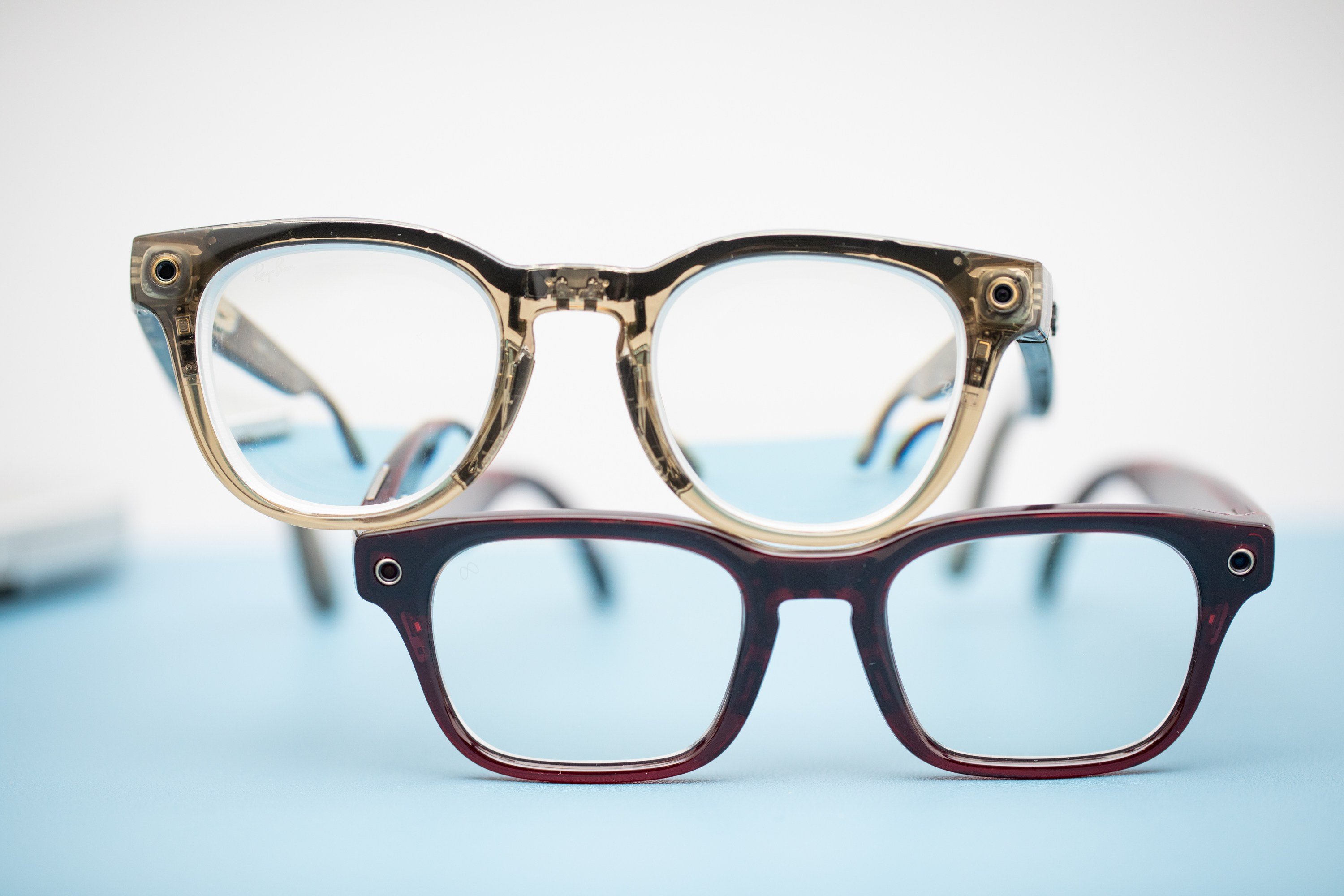
On 28 August 2026, Ars Technica reported that Meta has put a limit on nonconsensual recording through its AI glasses, the framing its own headline used: "Meta makes AI glasses slightly less creepy with limit on nonconsensual recording." The piece lands in the same 48-hour window in which a CryptoBriefing Telegram post carried the headline "Meta considered cutting some teams by 60% in AI overhaul." The two items, taken together, sketch a company that is simultaneously tightening a narrow product behaviour and reshuffling the internal map that decides which AI bets get built.
What the available reporting actually supports is narrow. Ars Technica describes a limit on one specific failure mode: nonconsensual recording. CryptoBriefing relays a scenario, not a decision: executives "considered" cuts of up to 60 percent on some teams. Neither source item names the teams, the timeline, or the criteria. Read with restraint, the picture is a hyperscaler mid-pivot, with one consumer-facing concession visible and one internal option set reportedly widening before it narrows.
What Ars Technica actually reports
The Ars Technica piece, as cited in the thread, frames the change as a limit on nonconsensual recording. The publication's headline concedes plainly that "privacy risks remain." That phrasing carries weight. It signals that the update is a behaviour restriction aimed at one class of misuse, not a redesign that resolves the broader category of always-on eyewear concerns. The Ars Technica title does not specify which user behaviour triggers the limit, whether it operates at the indicator LED, at the recording pipeline, or somewhere else in the stack.
The thread evidence does not specify whether the restriction operates as a hardware interlock, a software check, or a documentation change. The available source items do not specify prior product behaviour, including whether earlier versions continued recording when the indicator light was physically obstructed. Monexus assessment: the Ars Technica piece should be read as reporting a narrow concession on nonconsensual recording, with the headline itself doing the work of telling the reader the wider privacy questions are still open. Inferring more than that from the thread evidence overstates what the source supports.
Reading the 60 percent figure
CryptoBriefing's Telegram post on 28 August is, on the available excerpt, a headline relay: "Meta considered cutting some teams by 60% in AI overhaul." The thread evidence is a single line pointing to a longer piece elsewhere. CryptoBriefing is a research feed for this desk; its post is treated here as a pointer rather than as primary documentation. The figure is striking. It is also, on the available evidence, a scenario: executives "considered" a range, with no named teams, no timeline, and no criteria specified.
Monexus finds that the most natural reading is that the 60 percent figure is the upper bound of an internal option set, not a confirmed decision. The CryptoBriefing post does not name the teams in question. The available source items do not specify which functions were under review. Without access to the underlying reporting, any further specifics would be inference rather than reporting.
The shape of the privacy debate
Ars Technica's own framing is the cleanest read of where the public debate sits. "Meta makes AI glasses slightly less creepy" is the publication's editorial register, not ours. "But privacy risks remain" is the publication's own caveat. The asymmetry between those two halves of the headline is the story: a limit on one class of misuse, alongside an acknowledgment that the wider category of risks is unresolved.
The counter-narrative, in its strongest form, is that any product whose central trick is unobtrusive capture will keep generating misuse cases that no single software limit can pre-empt. Privacy advocates who have argued against always-on eyewear will read the Ars Technica headline as confirmation that the limit is narrow by design. Meta's consumer pitch, in turn, depends on the limit being narrow enough to keep the device usable and broad enough to head off the next regulatory flashpoint. The thread evidence does not specify which regulators, which statutes, or which pending cases have shaped the timing of the update.
Stakes
If the CryptoBriefing relay is broadly right that Meta is reshaping its AI organisation under cost pressure, the consumer hardware line becomes more important, not less. Smart glasses are the company's clearest non-ad-revenue consumer surface in a year when the rest of the AI bill is climbing. A privacy controversy that threatens mainstream retail distribution would land harder on a company that has decided to bet its next decade on personal devices. On the available evidence, the limit on nonconsensual recording is the cheapest concession that plausibly insulates Meta from the next round of state-level recording statutes already working their way through US legislatures. The thread evidence does not specify which statutes or which states.
The harder question is what comes after the limit. Ars Technica's own headline concedes that "privacy risks remain." The cited reporting does not specify which risks the publication has in mind. The CryptoBriefing relay does not specify the size or composition of any teams under internal review. Those are the next two questions worth watching. The first user-visible answer arrives whenever Meta ships the next firmware. The internal answer, if CryptoBriefing's framing holds, lands with the next reorg memo.
Monexus framed this against Ars Technica's product-side reporting and the CryptoBriefing relay, treating the Ars Technica headline as the primary evidence for what the update does and conceding its own caveat that privacy risks remain; the desk treated the 60 percent figure as a relayed scenario rather than a confirmed decision and did not amplify the restructuring claim beyond what the source supports.
Wire provenance
This editorial synthesis draws on the following public wire/social posts:
- https://arstechnica.com/tech-policy/2026/08/meta-tweaks-ai-glasses-to-block-some-creepy-recordings-but-privacy-risks-remain/
- https://t.me/CryptoBriefing/18918
- https://t.me/epochtimes/138706
- https://theepochtim.es/e2y5xn
- https://t.me/BBCWorldoffl/78859
- https://t.me/BBCWorldoffl/78857