The ferry that sank off Northern Cyprus, and the news that outran the rescue boats
A vessel carrying roughly 270 people went down off the coast of Northern Cyprus on 30 August 2026. Early reporting places the dead at six and the rescued at around a hundred, with the rest still being searched for.
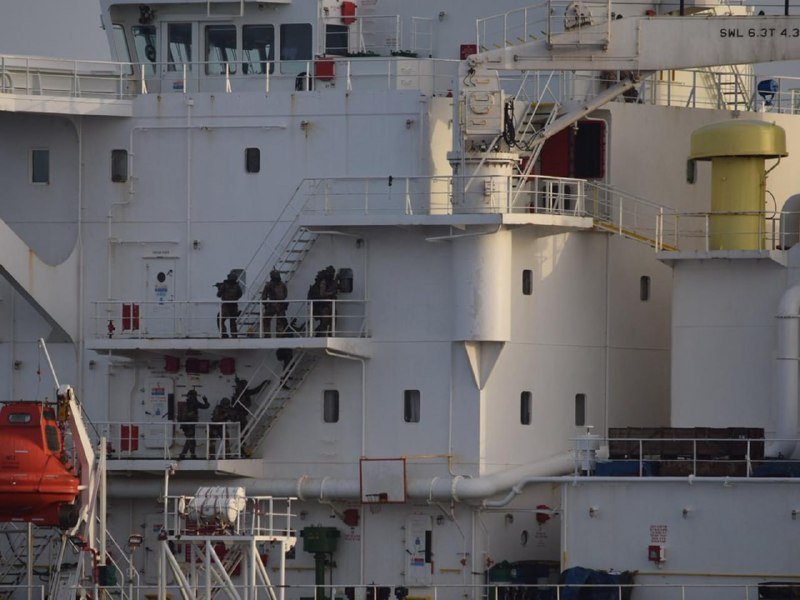
The first alerts reached the Reuters wire and the Telegram channel Intelslava within minutes of each other on the morning of 30 August 2026: a passenger vessel carrying around 270 people had capsized in the waters near the northern coast of Cyprus. Reuters's X account posted the headline at 11:20 UTC, citing local media on the roughly 270-person figure. Intelslava filed its first short item at 13:21 UTC reporting around 100 rescued, then a follow-up moments later placing the confirmed dead at "at least six," with the rest of those aboard still being searched for.
This is an event whose numbers are still moving. The headline figures on the dead, on the rescued, and on the operator will likely be revised several times before the day is out. The narrow, sober reading of what the available reporting establishes: a vessel went down, a rescue got under way fast, and the death toll is, as of mid-afternoon UTC, in single digits, with hundreds of souls still unaccounted for.
The shape of the morning
The geography of the incident sits inside the long-running division of Cyprus. The northern coastline, administered in practice by the Turkish Republic of Northern Cyprus, an entity recognised only by Ankara, has for decades been served by informal, fast-ferry connections to the Turkish mainland. A disaster of this scale on those waters would be among the worst on that route in living memory.
The morning's reporting does not yet line up internally. Reuters's 11:20 UTC post cited local media in placing the headcount at "around 270 people." Intelslava's 13:21 UTC update placed rescues at "100" and deaths at "at least six." The BBC's separate 11:55 UTC report on the incident, citing local media and a local mayor, placed the number of passengers reached so far at 159. The gap between the BBC's "159 reached" and Intelslava's "100 rescued" is exactly the kind of figure-spread that closes as coastguards coordinate with casualty officers and as names come off passenger lists. Treating the totals as a settled ledger now would overstate what the morning's reporting actually shows.
What the available items do not specify
The vessel's name, operator, flag state, point of departure and intended destination are not specified in the four source items Monexus is working from. The nationality of those aboard is not specified either, though the geographic locus of the route and the cluster of reporting on Turkish-language channels points toward a predominantly Turkish passenger list. Maritime authorities have not, in the items available, issued a public statement naming the operator or a cause.
The sources themselves are also uneven. Reuters's X post and the BBC's news page are both relaying local media. Intelslava, a Telegram channel, is filing in the style of an early wire. None of the four is a primary statement from a coastguard, a port authority, or a named operator. The next 12 to 24 hours should bring a clearer picture once a single official briefing consolidates the morning's figures.
Why this story is harder than it looks
Maritime disasters on busy routes rarely have a single cause. Crew fatigue, weather, vessel maintenance, passenger lists that exceed certified capacity, and the long-standing tension between timetable pressure and safety inspection regimes tend to converge. None of those can be ruled in or ruled out on the present evidence.
The structural context that the available reporting does make legible is this: the ferry corridor has been operated for years under a regulatory patchwork that does not sit cleanly inside either the European Union's maritime safety regime or Turkey's own coastguard administration. The island's division, frozen since 1974, has produced exactly the grey-zone governance that makes consistent safety enforcement difficult. That is not a verdict on this particular capsize. The cause here has not been established. It is background that the geography of the incident forces onto the page.
The stakes, plainly
For the families of those aboard, the stakes are total and immediate. For Ankara and the authorities in Northern Cyprus, the next days will test search-and-rescue coordination, casualty identification, and the political management of a disaster in waters they administer but the world does not, formally, recognise as theirs. For the wider Eastern Mediterranean, the incident will reopen a familiar argument: that divided-sovereignty arrangements produce divided-safety regimes, and that the people aboard the ferries pay the cost of those arrangements in the worst possible currency.
Monexus framed this as an evolving maritime emergency rather than a closed incident, and held back from naming an operator, a cause, or a nationality breakdown that the four available source items do not specify. The casualty and rescue figures across the morning's reporting are not internally consistent, and the article reflects that.
Wire provenance
This editorial synthesis draws on the following public wire/social posts:
- https://x.com/Reuters/status/2094022367626309645
- https://www.bbc.co.uk/news/articles/c770jyd4l7lo?at_medium=RSS&at_campaign=rss
- https://t.me/intelslava/93529
- https://t.me/intelslava/93531